
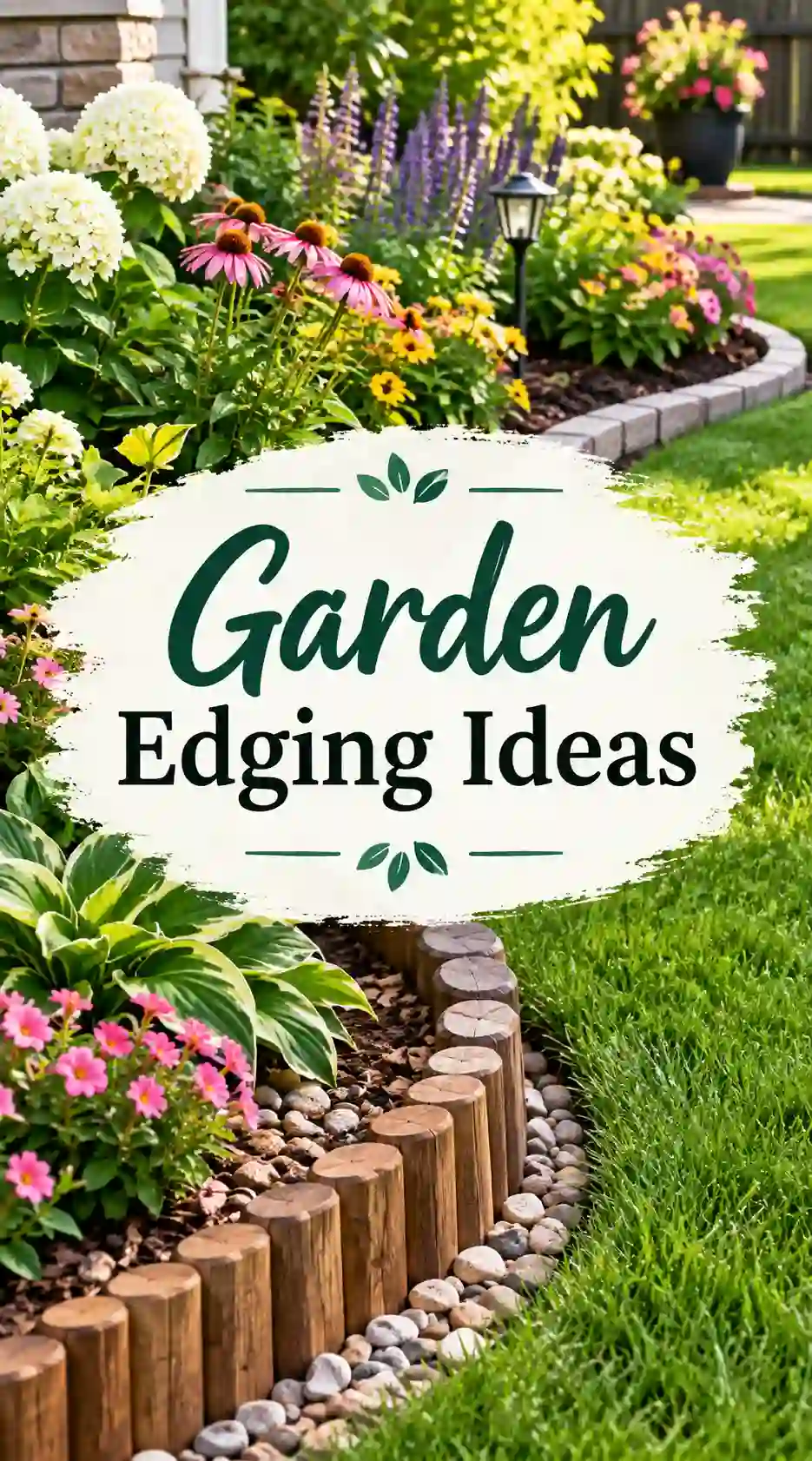
A garden without defined edges tends to look a little unfinished, no matter how beautiful the plants inside it actually are. Grass creeps into flower beds, mulch scatters across the lawn, and the whole yard reads as slightly out of control even when someone has clearly put real effort into it. The right garden edging ideas fix that instantly, giving every bed, path, and border a clean, intentional line that ties the entire space together.
This guide brings together everything I have learned from planning and installing garden edging across dozens of real yards, from tiny front garden beds to sprawling backyard landscapes. We will walk through materials, styles, budget options, and the small details that separate garden edging that looks genuinely professional from edging that quietly falls apart within a season or two.
Let us get into it.
Read Also : Fairy Garden Ideas: The Ultimate Guide to Building a Tiny, Magical World in Your Own Backyard
Why Garden Edging Ideas Matter More Than People Expect
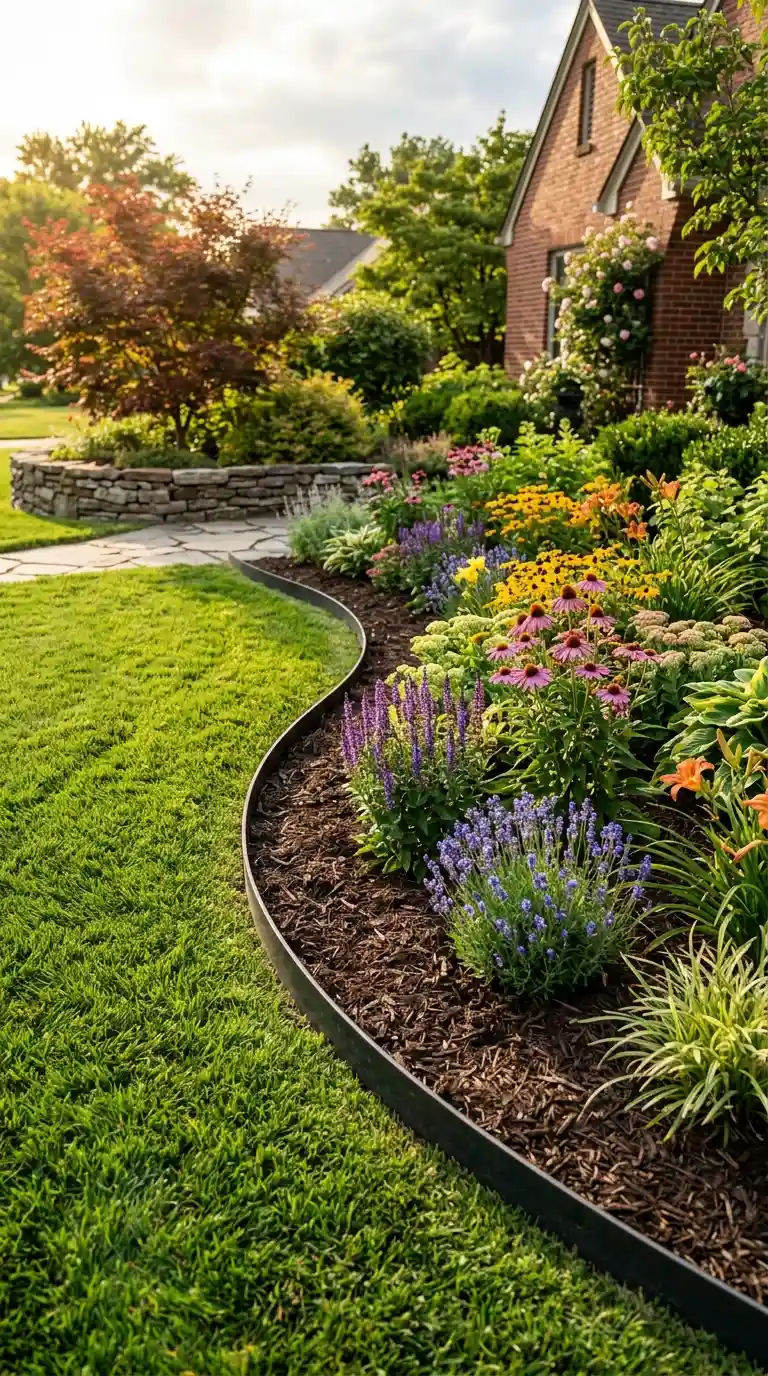
Edging often gets treated as an afterthought in home landscaping, something you add at the very end if there is any budget left over. In reality, good garden edging ideas do far more work than most people give them credit for, both visually and functionally.
Edging creates a clear, physical boundary between different areas of a yard, keeping grass from creeping into flower beds and stopping mulch or gravel from spreading out onto the lawn. Without this boundary, even a carefully planted garden bed tends to look messy within just a few weeks as everything slowly blurs together.
There is also a genuine visual impact that comes from a crisp, well defined edge. A garden with strong edging reads as intentional and cared for, even if the planting inside those borders is fairly simple. I have seen modest, budget conscious gardens look genuinely polished purely because the edging was done well, and I have seen expensive, elaborate plantings look sloppy because the borders around them were an afterthought.
Garden edging ideas also play a real functional role beyond aesthetics. Edging helps control weeds by creating a physical barrier at the boundary of a bed, it protects lawn mower blades from hitting rocks or border material during regular mowing, and in sloped yards, certain types of edging can even help manage soil erosion and water runoff.
Understanding the Different Categories of Garden Edging Ideas
Before diving into specific materials and styles, it helps to understand the broad categories that most garden edging ideas fall into, since this framework makes it much easier to narrow down what will actually work for your specific yard.
Hard, rigid edging materials, like brick, steel, or concrete, create a permanent, structured boundary that holds its shape for years without much maintenance. This category tends to suit more formal or modern landscape designs where clean, precise lines matter.
Flexible edging materials, including certain plastic or rubber products, bend easily around curves and irregular shapes, making them a practical choice for informal, flowing garden bed designs where a rigid straight edge would look out of place.
Natural and organic edging options, like living plants, logs, or river stone, blend the border directly into the surrounding landscape rather than creating a sharp visual contrast, which suits a more relaxed, cottage style or naturalistic garden aesthetic.
Temporary or semi permanent edging, including certain rope style or lightweight border products, offers flexibility for renters or anyone who wants to change their garden layout periodically without committing to a permanent installation.
Understanding which category fits your yard’s overall style and your own long term plans makes it much easier to sort through the seemingly endless list of specific garden edging ideas available at any home improvement store or landscaping supplier.
Steel and Metal Garden Edging Ideas for a Modern Look
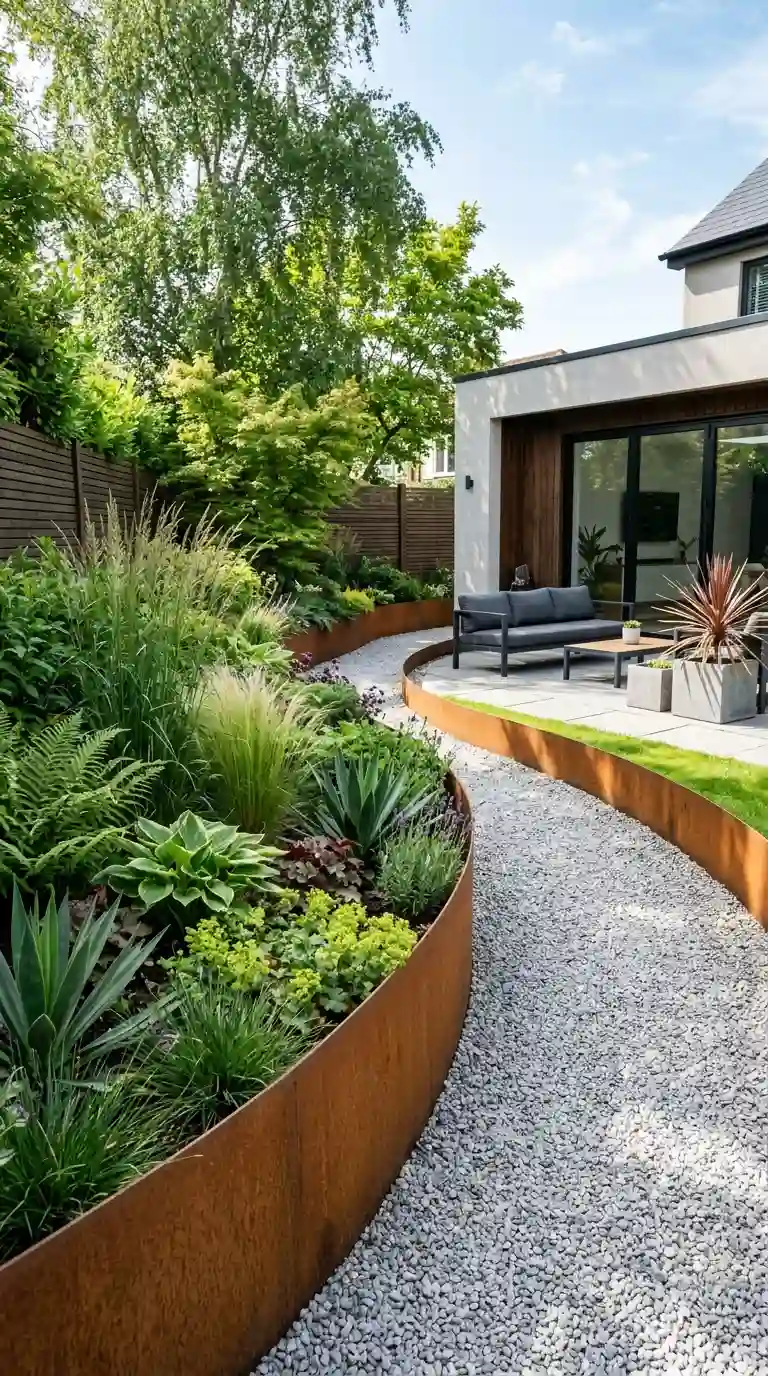
Metal edging has genuinely become one of the most talked about garden edging ideas in recent years, and corten steel in particular has moved from a niche architectural material into a mainstream favorite among homeowners and landscape designers alike.
Corten steel edging develops a distinctive rust colored patina over time, which sounds like it should look neglected but actually reads as intentional, warm, and genuinely sophisticated once installed properly. This particular garden edging idea has become especially popular for its slim, minimal profile that defines space without adding visual bulk to a landscape.
Aluminum edging offers a lighter weight, lower cost alternative to steel, and it resists rust entirely, making it a practical choice for anyone who wants clean, modern lines without the ongoing patina process that steel naturally goes through.
Galvanized steel edging provides genuine durability at a slightly more accessible price point than corten, and its silvery finish suits a slightly different aesthetic, often pairing well with contemporary, industrial inspired landscape designs.
Metal edging in general excels at creating smooth, continuous curves that hold their shape far better than most other materials, which is exactly why this category of garden edging ideas has become the preferred choice among landscape architects working on more sculptural, flowing garden bed layouts.
Installation for metal edging does require a bit more precision than some other materials, since the pieces typically need to be connected and staked securely into the ground, but the payoff in terms of a clean, long lasting result makes this effort genuinely worthwhile for most homeowners.
Must Read : Raised Garden Bed Ideas: The Ultimate Guide to Building a Thriving, Beautiful Garden
Brick and Stone Garden Edging Ideas for Timeless Appeal
Brick and natural stone remain some of the most enduringly popular garden edging ideas, and for good reason. These materials bring genuine texture, weight, and a sense of permanence that few other options can match.
Traditional brick edging, whether laid flat or set on a slight angle for a classic sawtooth pattern, works beautifully in more formal or traditional garden designs, and it pairs especially well with homes that already feature brick in their architecture or existing hardscaping.
Natural stone edging, using anything from rounded river rock to more angular flagstone pieces, brings an organic, textured quality to a garden border that suits a wide range of styles, from rustic cottage gardens to more contemporary landscapes depending on the specific stone chosen.
Cobblestone edging offers a genuinely charming, slightly old world feeling, particularly well suited to homes with a more traditional or European inspired architectural style, and it holds up remarkably well to decades of weather and regular yard maintenance.
Poured concrete curbing, sometimes installed by a professional using a specialized machine, creates a genuinely seamless, continuous edge that can be shaped into nearly any curve or pattern, offering a permanent solution for homeowners who want a completely custom garden edging idea tailored precisely to their yard’s layout.
The main tradeoff with brick and stone edging comes down to installation effort and cost. These materials generally require more labor to install properly compared to simpler options, but the payoff in longevity and timeless appeal makes this one of the most consistently recommended garden edging ideas among experienced landscapers.
Wood and Timber Garden Edging Ideas for a Natural Feel
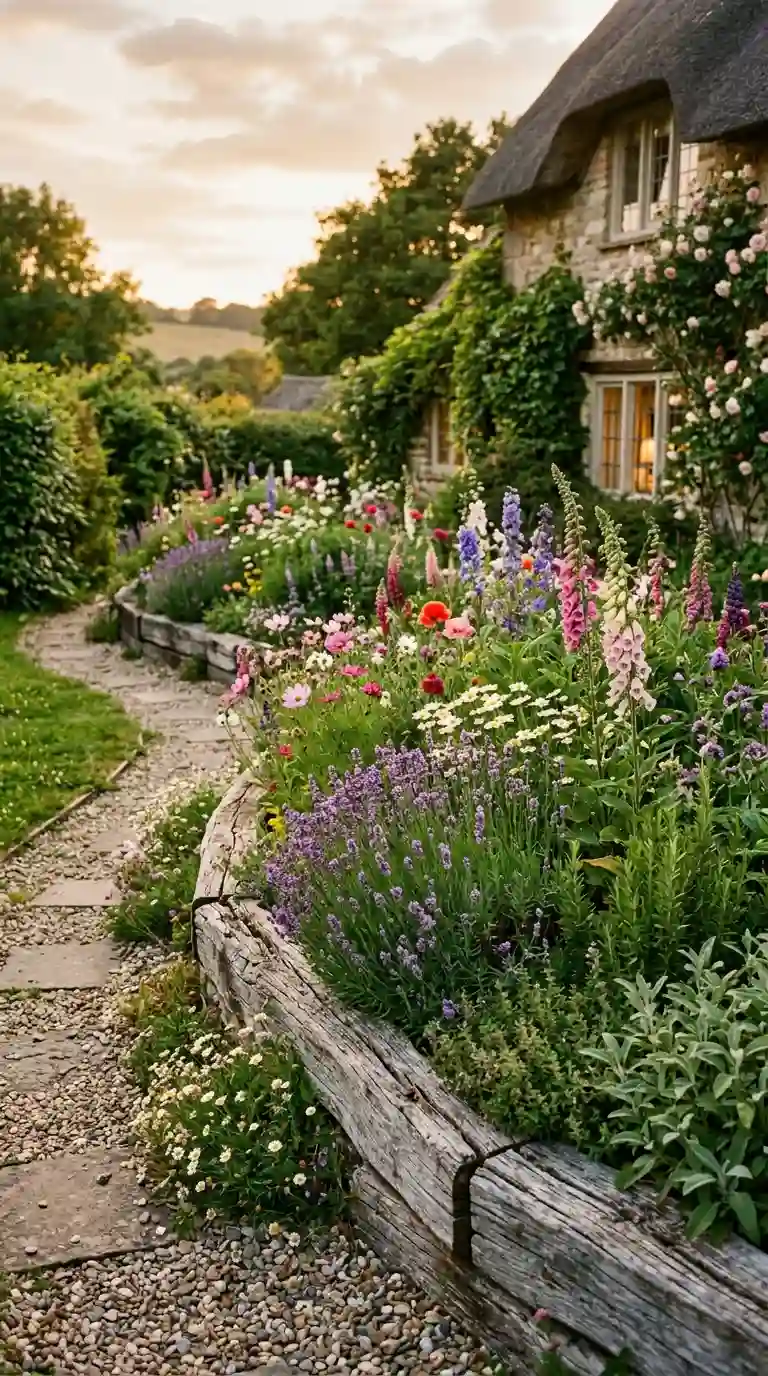
Wood brings a genuinely warm, natural quality to garden edging ideas that hard materials like steel or concrete simply cannot replicate, making it a favorite among homeowners chasing a more relaxed, cottage inspired aesthetic.
Log roll edging, made from small connected sections of wood, offers an affordable and genuinely charming way to define an informal garden border, particularly well suited to cottage gardens, vegetable patches, and other relaxed, less manicured landscape styles.
Landscape timbers, larger and more substantial than log rolls, provide a sturdier option for defining raised beds or larger garden borders, and they can be stacked for additional height when a bit more structure or a raised planting bed is needed.
Reclaimed or weathered wood brings genuine character and a sense of history to a garden edging project, particularly appealing for homeowners who want their yard to feel established and lived in rather than freshly installed and overly polished.
Wood does require honest consideration around durability, since untreated timber will eventually rot, particularly in consistently wet or humid climates. Choosing a rot resistant wood species or opting for pressure treated lumber can meaningfully extend the lifespan of this particular category of garden edging ideas.
Bamboo edging offers a lighter, more delicate alternative within the wood category, bringing a slightly different visual texture that pairs beautifully with Asian inspired or tropical garden designs, though it generally requires more frequent replacement than heavier timber options.
Plastic and Rubber Garden Edging Ideas for Budget Conscious Yards
Plastic and rubber edging often get dismissed too quickly within garden edging ideas discussions, but these materials genuinely serve an important purpose for homeowners working with a tighter budget or a rental property where a permanent installation does not make sense.
Flexible plastic edging remains one of the most affordable and widely available garden edging ideas at nearly any home improvement store, and its bendable nature makes it particularly easy for a beginner to install around curved garden beds without any specialized tools or professional help.
Recycled rubber edging has become an increasingly popular eco conscious choice, often made from repurposed tires, offering genuine durability and flexibility while diverting waste material from landfills, which appeals to environmentally minded homeowners looking to make more sustainable landscaping choices.
Faux stone or faux brick plastic edging attempts to replicate the look of more expensive natural materials at a fraction of the price and installation effort, and while it will not fool anyone up close, it can genuinely improve the overall appearance of a garden bed from a normal viewing distance.
The primary downside within this category of garden edging ideas involves longevity and visual quality over time. Plastic in particular tends to become brittle and discolored after prolonged sun exposure, often needing replacement every few years depending on your specific climate and the quality of the product chosen.
For homeowners who want a low cost solution while they save up for a more permanent material, or for renters who need something they can easily remove later, plastic and rubber garden edging ideas genuinely fill an important, practical niche within the broader landscaping world.
Living and Plant Based Garden Edging Ideas
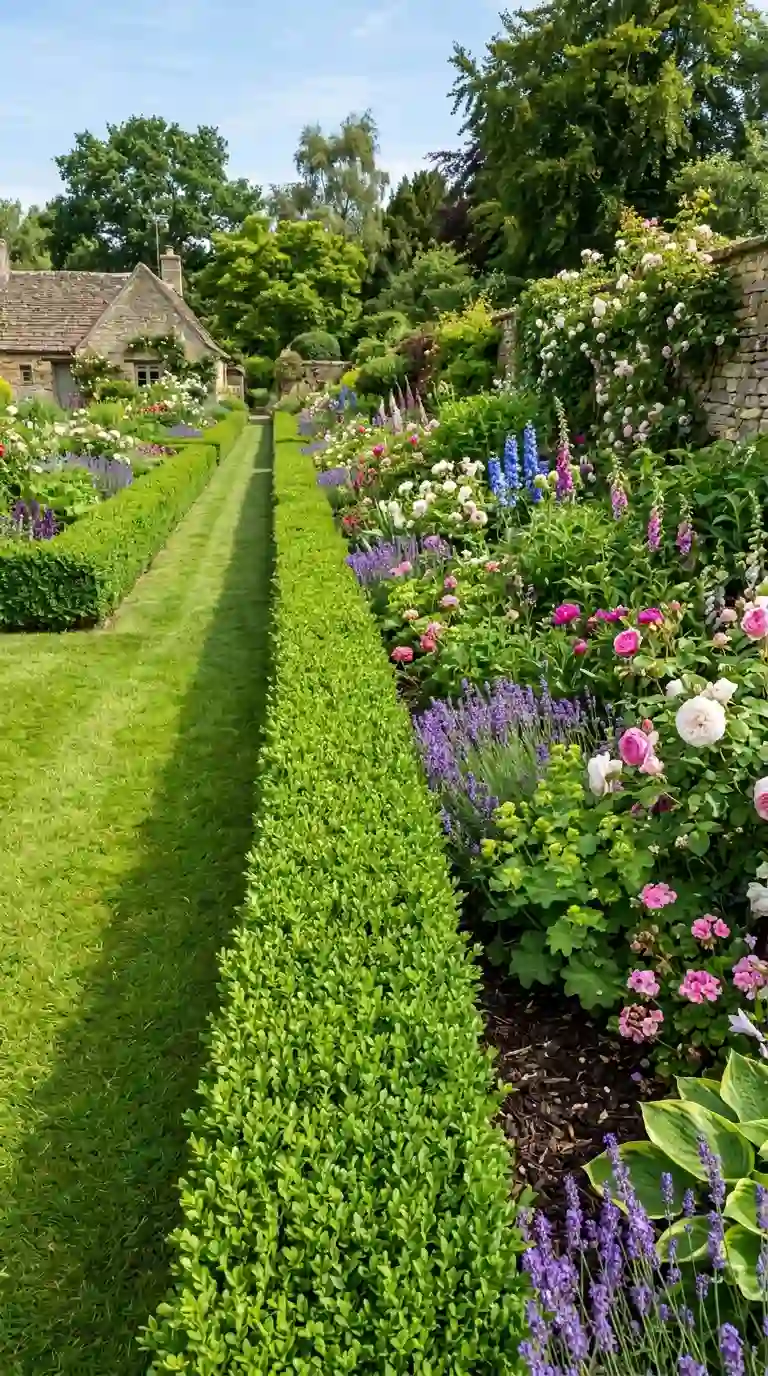
Not all garden edging ideas involve a hard material at all. Living plant based edging offers a genuinely beautiful, softer alternative that blends the border directly into the surrounding landscape rather than creating a stark visual contrast.
Low growing hedges, particularly boxwood, remain one of the most classic and enduringly popular living garden edging ideas, creating a neat, structured green line that suits formal gardens especially well, though these hedges do require regular trimming to maintain their crisp shape.
Ornamental grasses planted in a dense row can create a softer, more textural living border, swaying gently in the wind and adding genuine movement and seasonal interest that a static hard material simply cannot provide.
Ground cover plants, like creeping thyme or dwarf mondo grass, offer a lower profile living edging option, spreading naturally along the border of a bed and softening the transition between different areas of the garden without requiring the height of a full hedge.
Perennial borders, using a single repeated flowering plant along the edge of a larger bed, create a genuinely beautiful seasonal display while still functioning as a clear visual boundary, though this approach requires more seasonal maintenance compared to a static hard edging material.
Living edging does come with real tradeoffs worth considering honestly. These options require ongoing maintenance, including regular trimming or seasonal care, and they will not provide the same immediate, sharp definition that a hard material offers right after installation, though many homeowners find the tradeoff genuinely worthwhile for the beauty and softness these plant based garden edging ideas bring to a yard.
Also Read : 50 Brilliant Small Garden Ideas That Will Transform Your Tiny Outdoor Space
Garden Edging Ideas for Curved and Irregular Beds
Straight lines are relatively easy to edge, but a lot of the most beautiful garden beds follow soft, flowing curves, and choosing the right garden edging ideas for these shapes requires a slightly different approach.
Flexible plastic or rubber edging remains one of the easiest materials to work with for curved beds, since it bends smoothly without kinking, allowing you to trace even fairly tight curves without much difficulty during installation.
Metal edging, particularly aluminum, also handles curves remarkably well despite being a rigid material, since thin metal strips can be gently bent by hand or with basic tools to follow a gentle curve while still holding that shape permanently once staked into position.
Small stones or brick pavers, when installed individually rather than as one continuous piece, naturally accommodate curves since each small unit can follow the line of the bed without needing to bend at all, simply by adjusting the angle of each individual piece as you work around the curve.
Poured concrete curbing offers perhaps the most seamless solution for a complex curved garden bed, since the material is poured wet and shaped directly into your desired curve before hardening permanently into place, though this approach generally requires hiring a professional with the specialized equipment needed for the job.
Living edging, like a row of ornamental grass or ground cover, naturally follows any curve you plant it along, making this one of the most forgiving garden edging ideas for anyone nervous about achieving a perfectly smooth curved line with a more rigid material.
Garden Edging Ideas That Support Pathways and Walkways
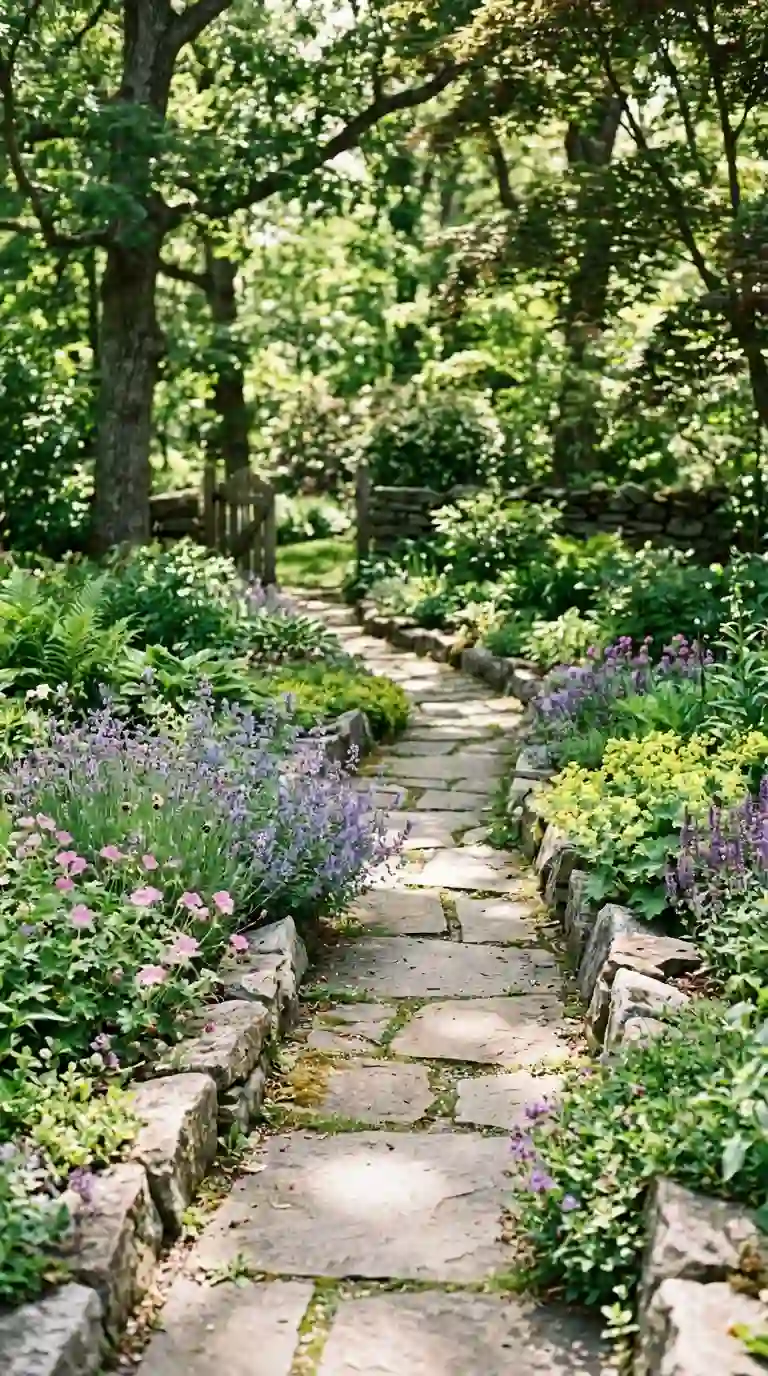
Pathway edging serves a slightly different purpose compared to garden bed borders, since it needs to hold gravel, mulch, or paving material in place while people are actually walking directly alongside or over it regularly.
Brick or stone pavers set on their edge, running alongside a gravel or mulch pathway, provide a sturdy, attractive border that can genuinely withstand the wear and tear of regular foot traffic along the edges of a walking path.
Metal edging works particularly well for pathways using loose material like gravel or decomposed granite, since the rigid barrier prevents this loose surface from spreading out into the surrounding lawn or garden beds over time.
Timber edging, especially pressure treated lumber, offers a warmer, more rustic option for defining a garden pathway, particularly well suited to a more casual, cottage style landscape where a sharp modern metal edge would feel visually out of place.
Living edging along a pathway, like a low border of lavender or creeping thyme, brings the added bonus of fragrance released as people brush past the plants while walking, turning a purely functional pathway into a genuinely sensory garden experience.
Whatever material you choose for a pathway specifically, make sure the edging sits securely and will not shift or lift over time from regular foot traffic, since pathway edging faces genuinely more physical stress than a border simply separating a lawn from a flower bed.
Raised Bed Garden Edging Ideas
Raised garden beds present a slightly different set of considerations within garden edging ideas, since the border in this case needs to actually hold back soil vertically rather than simply marking a boundary at ground level.
Timber framed raised beds remain one of the most popular and accessible garden edging ideas for this specific application, offering enough structural strength to hold soil at a meaningful height while remaining relatively easy for a homeowner to build themselves with basic tools.
Corrugated metal raised bed edging has become an increasingly popular modern alternative, offering genuine durability and a distinctly contemporary look, though it requires careful attention to sharp edges during both installation and ongoing use around the bed.
Concrete block or brick raised bed walls provide a genuinely permanent, sturdy option for anyone building a more substantial raised bed structure, particularly suited to larger vegetable gardens or beds intended to remain in place for many years without modification.
Stacked natural stone offers a beautiful, textural option for raised bed edging, particularly well suited to a more naturalistic or rustic garden design, though it does require careful stacking technique to ensure the structure remains stable over time.
Whatever material you choose for a raised bed specifically, make sure it can genuinely handle the ongoing pressure of holding back soil, particularly after rain when soil becomes significantly heavier, since this is a meaningfully different structural demand compared to simple ground level garden edging ideas.
Budget Friendly Garden Edging Ideas Worth Trying
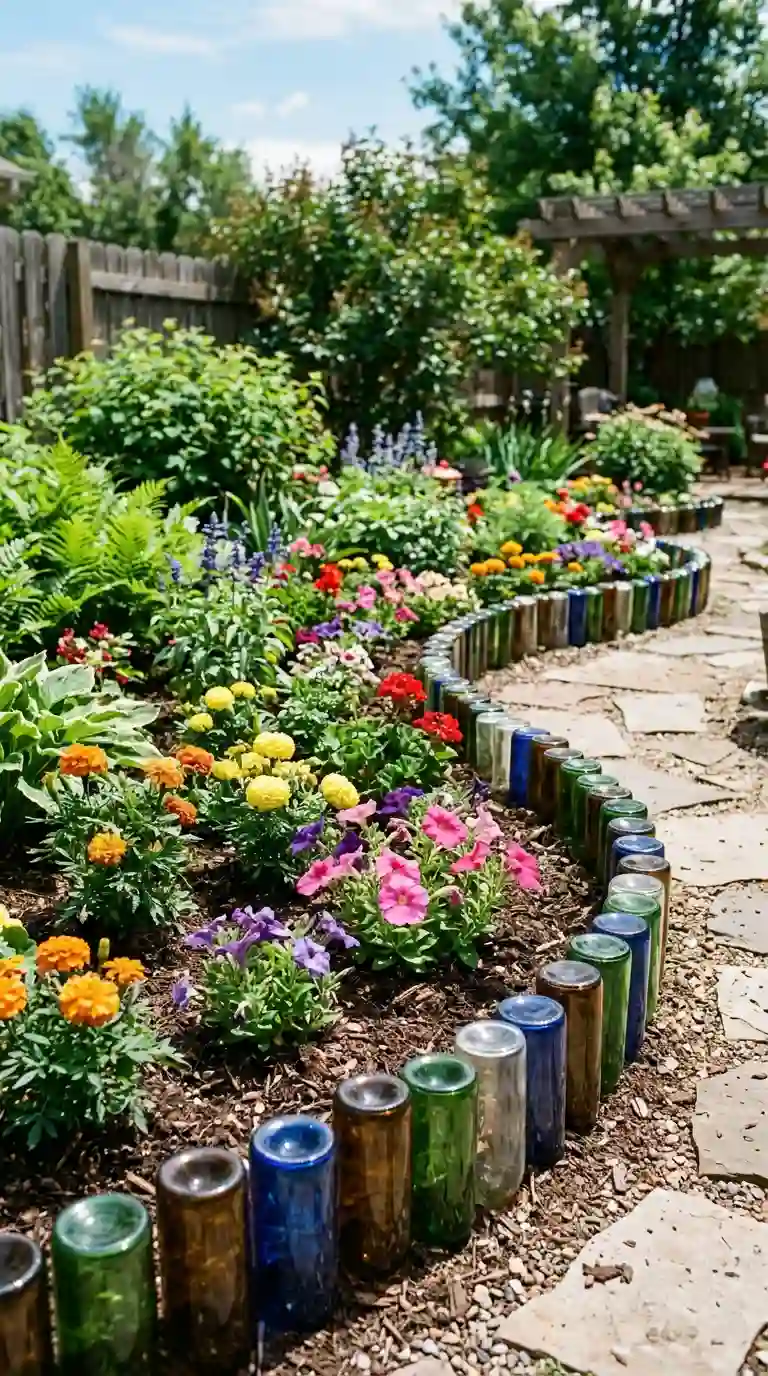
You genuinely do not need a large budget to create effective, attractive garden edging, and some of the most charming borders I have encountered relied on inexpensive or repurposed materials rather than expensive professional installations.
Must Read : 45 Breathtaking Interior Decor Plants That Instantly Transform Any Room Into A Living Sanctuary
Repurposed wine bottles, pushed neck first into the soil along a border, create a genuinely unique and surprisingly affordable garden edging idea, and this approach works especially well if you already have a collection of empty bottles accumulating at home.
Broken or leftover pavers and bricks, arranged along a garden bed border, offer a genuinely resourceful way to use materials that might otherwise get discarded during another home project, giving them a meaningful second life in your landscape.
Basic plastic edging remains one of the most consistently affordable options available at nearly any home improvement store, and while it will not offer the same longevity as more premium materials, it provides genuine functional value for a very modest cost.
River rock collected from a nearby natural area, where legally permitted, or purchased inexpensively in bulk from a landscaping supplier, creates an attractive, low cost border that also happens to be genuinely durable and long lasting once installed.
Starting with materials you already have on hand, before purchasing anything new, remains one of the smartest first steps for any budget conscious garden edging project, since a surprising number of yards already contain leftover bricks, stones, or timber from previous projects that can be repurposed effectively.
Garden Edging Ideas That Match Different Landscape Styles
Not every yard shares the same design language, and matching your garden edging ideas to your overall landscape style makes a genuine difference in how cohesive the finished result feels.
For a modern, minimalist landscape, slim metal edging, particularly corten steel or aluminum, creates the clean, precise lines that suit this aesthetic best, avoiding bulky or overly decorative materials that would clash with the overall restrained design language.
For a cottage garden style, informal wood log rolls, natural stone, or a living border of flowering perennials suits the relaxed, slightly untamed feeling that defines this particular aesthetic far better than a rigid, perfectly straight material would.
For a formal, traditional garden, crisp brick edging or a neatly trimmed boxwood hedge reinforces the structured, symmetrical feeling central to this style, particularly when paired with straight lines and carefully maintained geometric bed shapes.
For a naturalistic or wildlife friendly garden, soft transitions using gravel, mixed stone, or simply allowing plants to spill slightly over a low, understated edge supports the slightly wilder, more organic look that has become increasingly popular in recent landscape design trends.
For a Mediterranean or coastal style garden, light colored natural stone or gravel edging complements the sun bleached, breezy aesthetic typically associated with this particular design direction, especially when paired with drought tolerant, silvery toned plants.
How I Approach a Real Garden Edging Project From Start to Finish
Every garden edging project I take on starts with a genuine walk around the entire yard, looking closely at the existing hardscaping, the architectural style of the home, and how the homeowner actually uses each specific area of their outdoor space throughout the year.
I remember working with a client whose garden beds had become almost indistinguishable from her lawn after years without any real definition between the two. Grass had crept in from every direction, and mulch had scattered out into the yard after every heavy rain. We installed a simple, clean aluminum edging around each major bed, and the transformation was honestly more dramatic than either of us expected going into the project. Nothing about her actual plant selection changed, but the entire yard suddenly read as intentional and well maintained rather than slightly neglected.
I have also worked on a project where a client specifically wanted her yard to feel a little wild and untamed, in keeping with the broader move toward more naturalistic, pollinator friendly landscaping. In that case, we deliberately chose a soft gravel transition rather than a rigid edge, allowing plants to spill gently over the border in a way that felt intentional rather than sloppy. Good garden edging ideas do not always mean the sharpest, most precise line possible. Sometimes the right choice is actually a softer, more forgiving boundary that still provides enough definition to keep the space from looking genuinely chaotic.
What I have learned across dozens of these projects is that the most successful garden edging ideas start from an honest read of the existing yard and the homeowner’s actual lifestyle, rather than simply copying whatever material happens to be trending at the moment. The right edging should feel like it belongs to that specific space, supporting the overall landscape rather than fighting against it.
Related Post : 60 Breathtaking Vertical Garden Ideas That Will Instantly Transform Your Small Space
Common Mistakes That Undermine Good Garden Edging Ideas
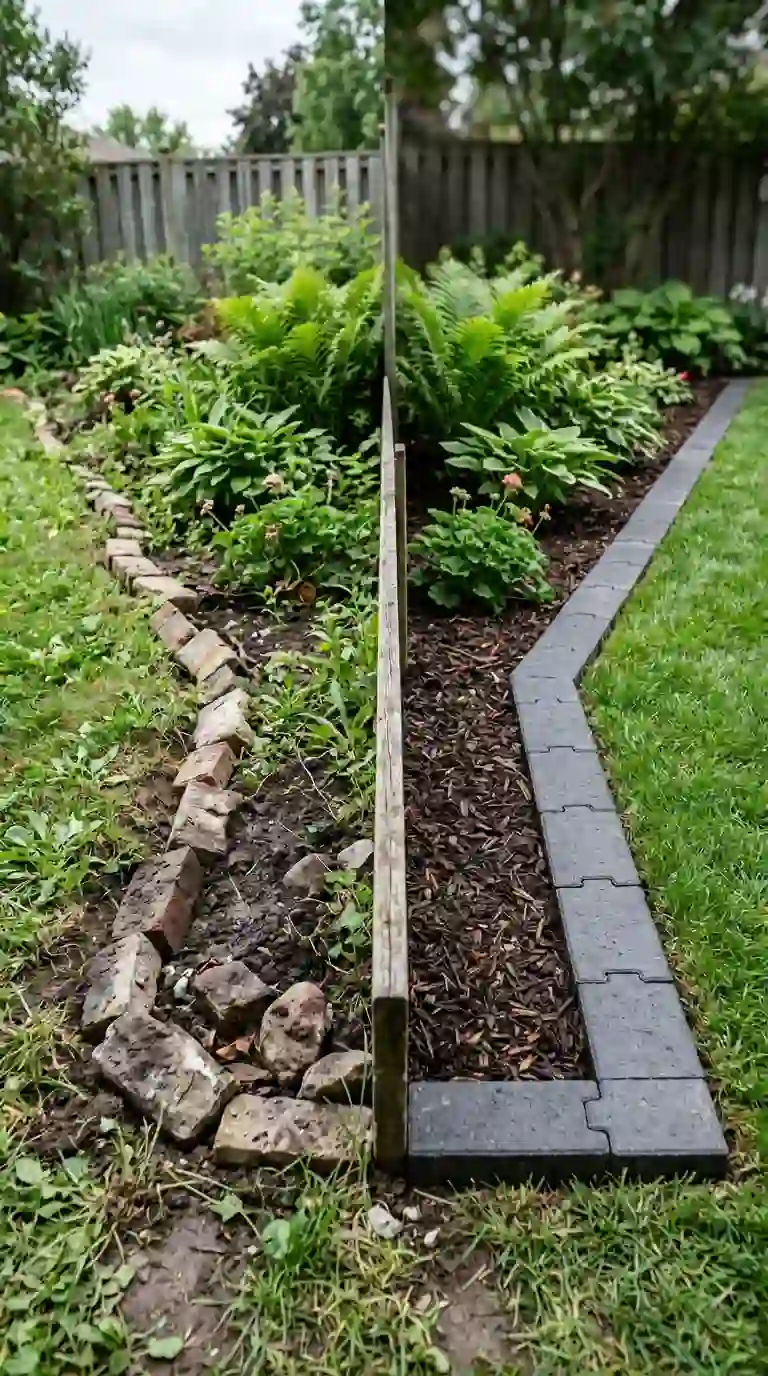
After working through many of these installations, certain mistakes come up again and again, quietly undermining otherwise reasonable garden edging ideas.
Skipping proper ground preparation before installation is probably the most common issue. Edging installed on uneven or poorly compacted soil tends to shift, sink, or become uneven within just a season or two, undoing much of the initial visual benefit the project was meant to provide.
Choosing a material that does not suit your climate can lead to premature failure, particularly with wood edging in consistently wet climates or plastic edging in areas with intense, prolonged sun exposure that leads to cracking and discoloration.
Installing edging too shallow into the ground reduces its ability to actually hold back mulch, soil, or gravel effectively, defeating much of the practical purpose behind the entire project in the first place.
Choosing an overly rigid, formal edging style for a naturalistic or informal garden design, or the reverse, choosing a soft, organic edge for a modern minimalist yard, creates a visual mismatch that undermines the overall cohesion of the landscape, even if the edging itself was installed correctly.
Neglecting ongoing maintenance for living edging options, like an overgrown hedge or an untrimmed ornamental grass border, allows a genuinely beautiful garden edging idea to slowly lose its defined shape and function over time without regular upkeep.
Installing Garden Edging Yourself Versus Hiring a Professional
A significant number of garden edging ideas covered throughout this guide are genuinely achievable as a weekend DIY project, though certain materials and situations do call for professional installation.
Flexible plastic, basic timber, and simple stone or brick edging are all reasonably approachable for a motivated homeowner with basic tools, some patience, and a willingness to follow proper installation steps, including adequate ground preparation before placing the material.
Metal edging, particularly steel, can also be installed as a DIY project, though it does require a bit more precision and care, particularly when working around curves or connecting multiple sections together seamlessly.
Poured concrete curbing genuinely requires professional installation in almost every case, since the specialized equipment needed to pour and shape this material properly is not something most homeowners have access to or experience using.
Larger retaining wall style raised bed edging, particularly anything involving significant height or structural load bearing considerations, often benefits from professional input, even if you plan to handle much of the actual labor yourself, simply to ensure the structure will remain safe and stable over time.
Whatever approach you choose, take the time to research proper installation techniques for your specific chosen material, since even a beautiful garden edging idea will fail to deliver its full potential if the underlying installation was rushed or done incorrectly.
Must Read : French Balcony Magic: The Ultimate Guide To Elegant, Space Saving Charm For Every Home
Maintaining Your Garden Edging Over Time
Once your garden edging is installed, a bit of ongoing care keeps it looking sharp and functioning properly for years to come, regardless of which specific material you originally chose.
Check for shifting or sinking periodically, particularly after periods of heavy rain or significant freeze and thaw cycles, since ground movement can gradually push even well installed edging out of alignment over time.
Trim living edging regularly if you have chosen a hedge, ornamental grass, or ground cover border, since these materials require consistent maintenance to hold their defined shape rather than gradually blending back into the surrounding landscape.
Clean and inspect hard materials periodically, removing any accumulated debris, moss, or discoloration that can build up over time, particularly on stone or concrete edging exposed to consistent moisture.
Touch up or repaint metal edging if your chosen product is not specifically designed to develop a natural patina, since some painted metal options will eventually need a fresh coat to maintain their original appearance.
Address any damage or displacement quickly rather than letting it accumulate, since a small section of shifted or broken garden edging tends to worsen over time if left unaddressed, eventually requiring a more significant repair than if it had been caught early.
FAQ About Garden Edging Ideas
What is the best material for garden edging?
The best material depends on your specific garden style and budget, but steel and aluminum are currently among the most popular garden edging ideas for modern landscapes, while brick, stone, and timber remain excellent choices for more traditional or cottage style gardens.
How deep should garden edging be installed?
Most garden edging should be installed at least a few inches into the ground to properly hold back soil, mulch, or gravel, though the exact depth depends on the specific material and the height of the bed being edged.
What is the cheapest garden edging idea?
Flexible plastic edging remains one of the most affordable options widely available, along with repurposed materials like leftover bricks, stones, or bottles that many homeowners already have on hand.
Can I install garden edging myself?
Yes, many garden edging ideas, including plastic, timber, brick, and even metal edging, are approachable DIY projects for a motivated homeowner, though poured concrete curbing typically requires professional installation.
What garden edging works best for curved beds?
Flexible plastic or rubber edging, thin metal strips, and individually placed stones or pavers all handle curved garden beds particularly well compared to more rigid, single piece materials.
How do I stop grass from growing into my garden beds?
Proper garden edging installed a few inches into the ground creates an effective physical barrier that helps prevent grass roots from spreading into adjacent flower beds or mulched areas.
What is corten steel edging and why is it popular?
Corten steel is a weathering steel that develops a distinctive rust colored patina over time, and it has become one of the most popular modern garden edging ideas thanks to its slim profile, durability, and warm, sophisticated appearance.
Is living plant edging a good alternative to hard materials?
Yes, living edging options like low hedges, ornamental grasses, or ground cover plants offer a beautiful, softer border, though they require ongoing maintenance to maintain their shape compared to static hard materials.
How long does garden edging typically last?
Lifespan varies significantly by material, with metal and stone edging often lasting several decades, timber typically lasting anywhere from five to fifteen years depending on treatment and climate, and basic plastic often needing replacement every few years.
What garden edging is best for raised beds?
Brick or stone pavers set along the edge, metal edging for loose gravel pathways, and timber borders for a more rustic look are all effective garden edging ideas specifically suited to defining walkways.
Final Thoughts on Garden Edging Ideas
Garden edging might seem like a small, purely functional detail in the grand scheme of landscaping, but it genuinely holds an entire yard together in a way that few other elements can match. The right border transforms a scattered collection of plants and pathways into a cohesive, intentional landscape that reads as cared for from the very first glance.
Whether you choose a sleek modern steel line, a classic brick border, a soft living hedge, or a budget friendly repurposed material, the underlying goal behind every good garden edging idea stays the same. Define your space clearly, choose a material that genuinely suits both your climate and your overall style, and take the time to install it properly so it holds up for years rather than months.
Start small if the whole project feels overwhelming. Pick a single bed this weekend, choose a material that fits your budget and aesthetic, and see the difference it makes before tackling the rest of your yard. Once you experience that satisfying moment of a garden suddenly clicking into place, there is a good chance you will find yourself planning your next edging project before the first one has even finished settling in.


One comment on “Garden Edging Ideas: The Ultimate Guide to Defining a Beautiful, Polished Yard”