
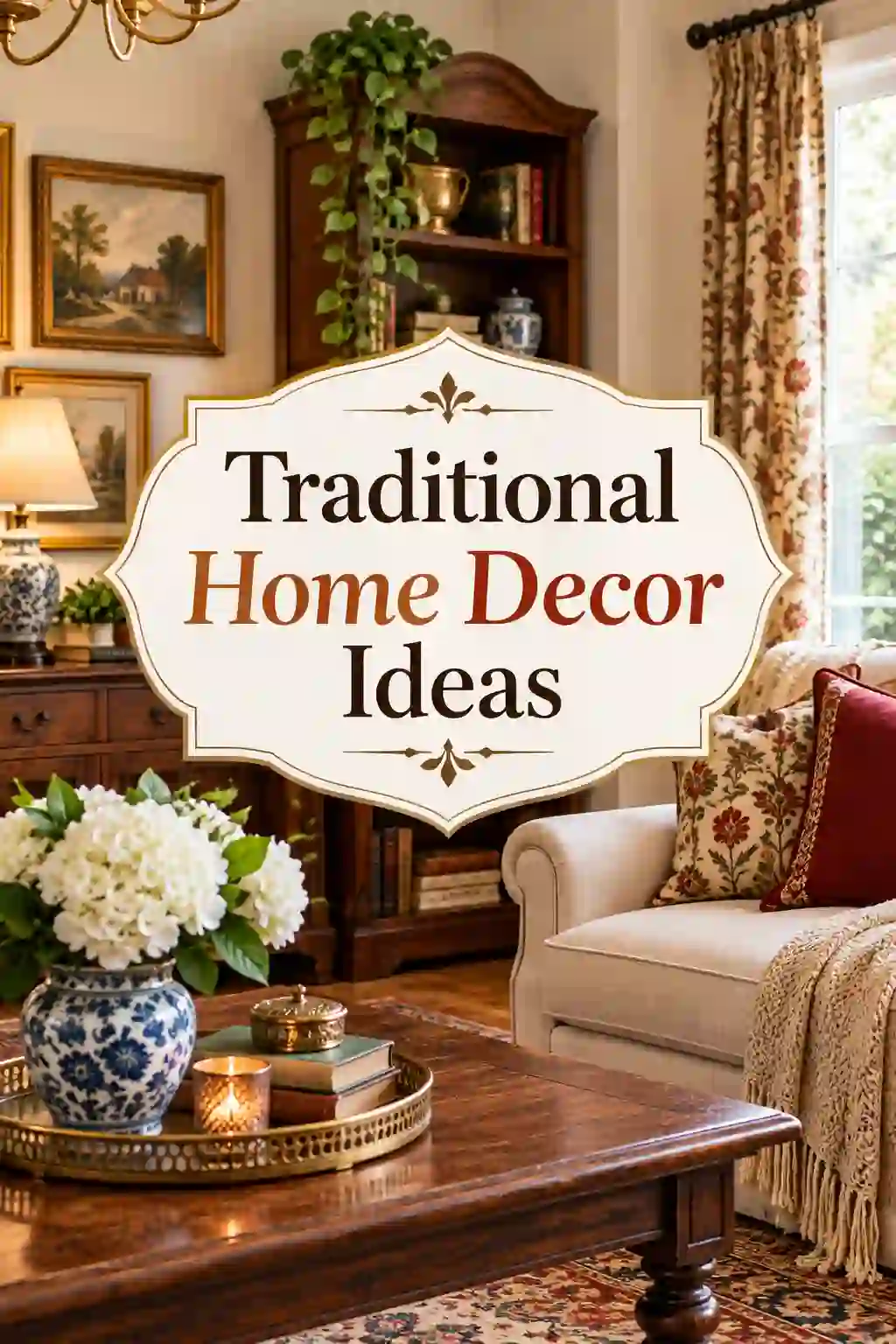
There is a specific kind of compliment I hear more than any other when I finish a project built around traditional home decor. Someone walks through the front door, pauses, and says it feels like the house has always looked this way, even though we just finished the work that morning. That reaction tells you everything about why this style has never actually gone out of fashion, no matter how many trend cycles have come and gone around it.
A lot of people assume traditional home decor means stiff, formal rooms nobody actually wants to sit in, the kind of space you saw at a grandparent’s house growing up, plastic covered furniture and all. That version does exist, but it is not what good traditional home decor actually looks like today. Done well, this style feels warm, layered, and genuinely lived in, built from furniture and details meant to last for decades rather than a single passing season.
This guide pulls together everything I have learned from designing and styling real homes around this exact aesthetic, from full room renovations to simple, budget friendly updates for people who love this look but are not ready for a complete overhaul. We will walk through furniture, color, fabric, layout, and the small details that separate genuine traditional home decor from something that reads as dated or overly formal.
Let us get into it.
Also Read : 45 Gorgeous Spring Table Decor Ideas That Will Instantly Brighten Your Home
Why Traditional Home Decor Has Never Actually Gone Out of Style
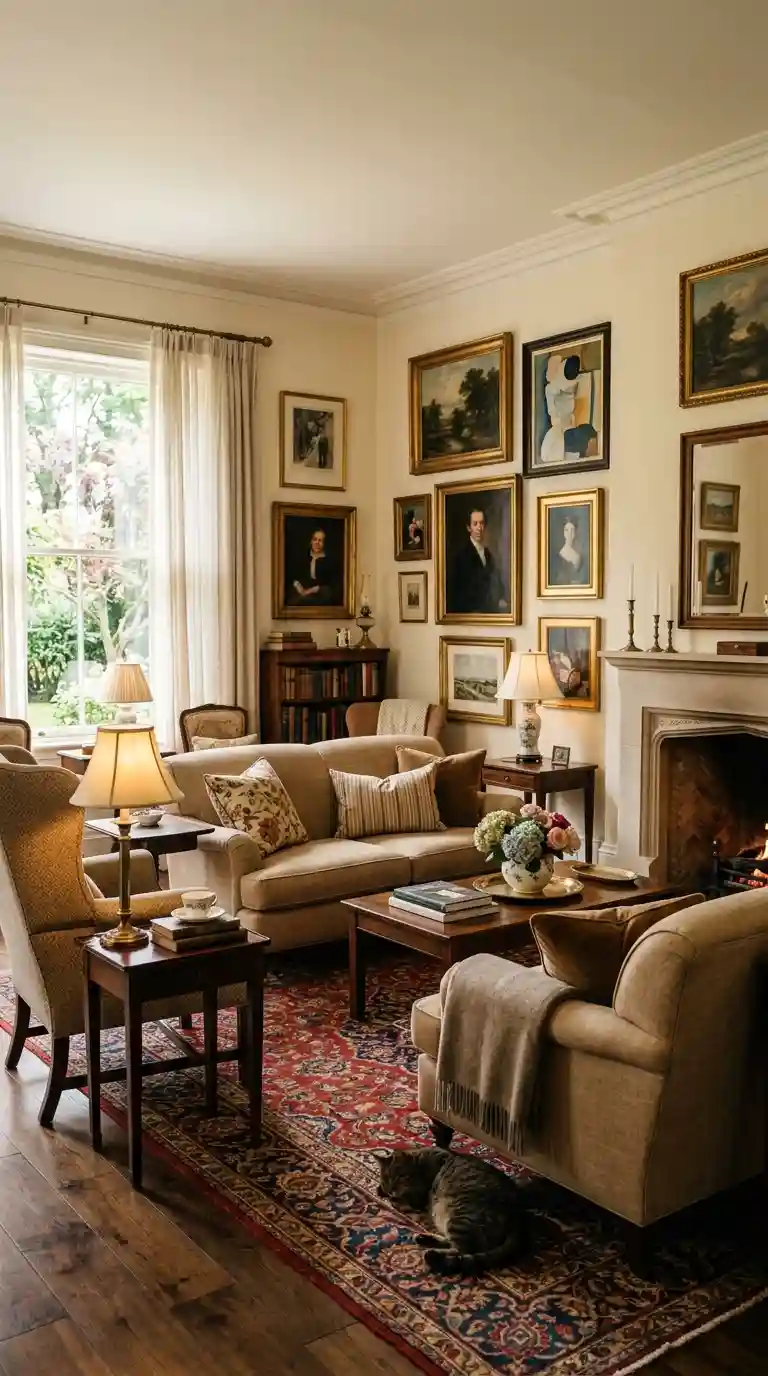
Design trends come and go with striking speed these days, and yet traditional home decor keeps quietly persisting through every single one of them. There is a reason for that staying power, and it has very little to do with nostalgia alone.
Traditional home decor is built on proportion, craftsmanship, and a sense of history, elements that simply do not expire the way a trendy color or a viral furniture shape often does. A well made wingback chair from decades ago still looks genuinely good today, while a lot of mass produced trend driven pieces from just a few years back already feel dated.
There is also something deeply comforting about this style. Traditional home decor tends to draw from familiar, established design language, classic silhouettes, rich wood tones, and layered textiles, which creates a sense of warmth and stability the moment you walk into a room. In a world that often feels fast moving and uncertain, that grounded, established feeling genuinely matters to a lot of people.
I have watched clients specifically request traditional home decor after living through a string of overly trendy renovations that started to feel tired within just a couple of years. There is a real appeal to choosing a design direction you can genuinely live with for a decade or more without feeling the need to redo everything the moment the next trend cycle arrives.
The Core Elements That Define Traditional Home Decor
Before diving into specific rooms, it helps to understand the foundational principles that separate authentic traditional home decor from a generic, catalog version of the same idea.
Symmetry plays a significant role in this style, with furniture, art, and architectural details often arranged in balanced, mirrored pairs. A matching set of lamps flanking a sofa, or two identical armchairs facing each other across a coffee table, both reflect this underlying principle of order and balance.
Rich, warm materials define traditional home decor at its core, particularly solid wood furniture, natural fiber rugs, and fabrics like velvet, linen, and silk. These materials carry a sense of quality and permanence that cheaper synthetic alternatives simply cannot replicate.
Classic architectural details, including crown molding, wainscoting, and paneled doors, reinforce the overall traditional feeling even before a single piece of furniture enters the room. These structural elements have remained a hallmark of this style for generations because they genuinely add texture and depth to a space.
Layered, collected styling separates a genuinely well done traditional home from one that feels like a matched furniture showroom. Real traditional home decor tends to incorporate pieces gathered over time, family heirlooms, antique finds, and newer purchases blended together rather than an entire room bought all at once from a single collection.
Living Room Ideas Built Around Traditional Home Decor
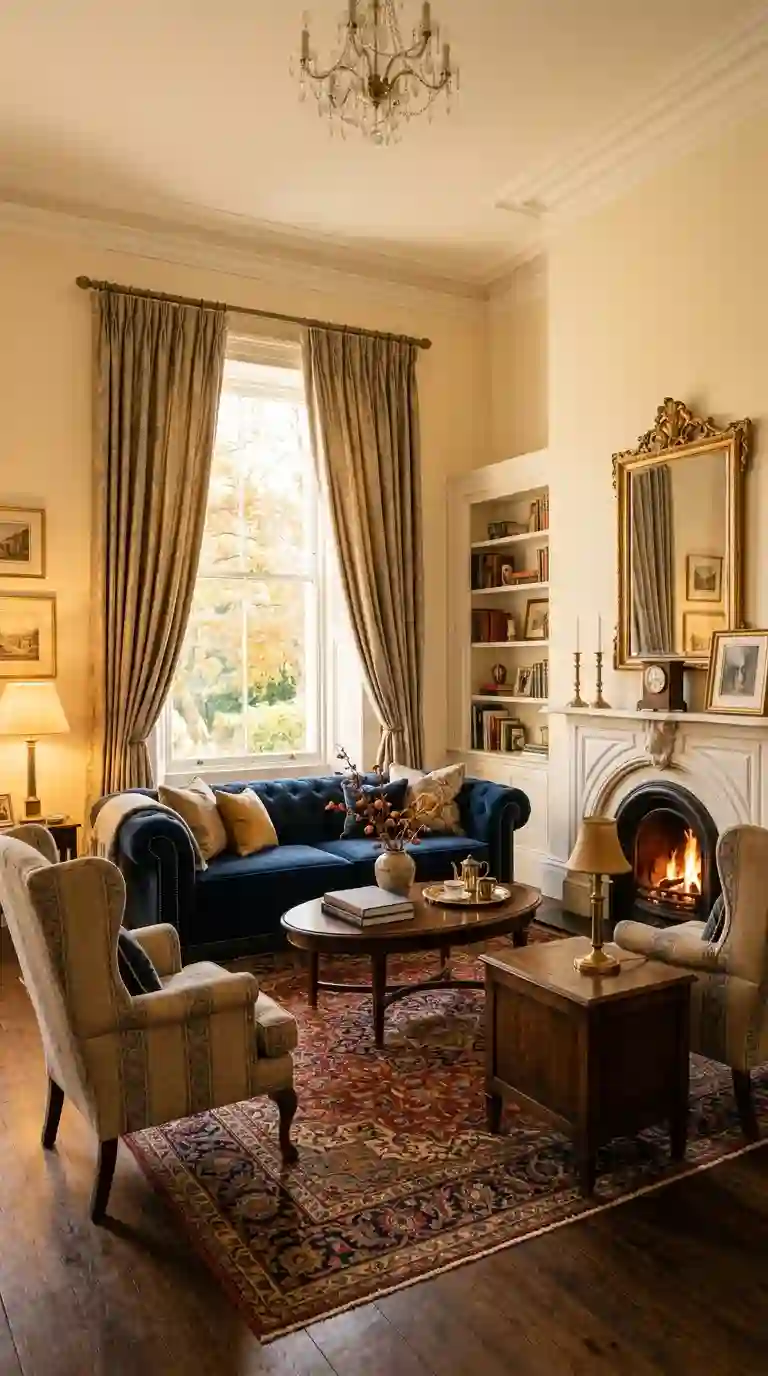
The living room is usually where traditional home decor makes its strongest first impression, since it tends to be the most visible, most furnished room in a home built around this aesthetic.
A well proportioned sofa, often featuring rolled arms or a tufted back, serves as the anchor piece within a traditionally styled living room. Pairing this sofa with two matching armchairs, positioned symmetrically to create a balanced conversation area, reflects the underlying order that defines this style so clearly.
A fireplace, whether original to the home or added during renovation, frequently becomes the natural focal point within traditional home decor, particularly when finished in marble, painted wood, or a classic brick surround rather than a starkly modern material.
Layered lighting matters enormously in this style, combining a substantial overhead fixture, often a chandelier or a formal pendant, with table lamps and wall sconces to create a warm, multi dimensional glow throughout the evening hours.
A patterned area rug grounds the entire room, and traditional home decor tends to favor classic patterns like a Persian or Oriental design, an intricate damask, or a subtle floral motif rather than anything overly bold or graphic in nature.
Window treatments in traditional homes typically involve substantial drapery, often floor length and sometimes paired with a decorative valance or cornice, adding a sense of formality and softness that a bare window simply cannot achieve within this particular aesthetic.
Must Read : Birthday Room Decoration Ideas: The Ultimate Guide to Throwing an Unforgettable Celebration at Home
Dining Room Ideas Within Traditional Home Decor
The dining room offers a genuinely wonderful opportunity to lean fully into traditional home decor, since this room historically carried more formality than almost any other space in a classic home.
A solid wood dining table, whether a family heirloom or a newer piece built in a classic style, remains the centerpiece of this room within traditional home decor, often paired with upholstered dining chairs that add both comfort and a touch of visual softness against the table’s more substantial wood surface.
A china cabinet or hutch, displaying inherited or collected dishware, plays a genuinely important role in this room, offering both practical storage and a meaningful opportunity to showcase family history and personal collections in a way that feels deliberate rather than cluttered.
A statement chandelier, positioned directly above the table, remains one of the most defining lighting choices within traditional dining room decor, and this fixture often becomes one of the most memorable design elements in the entire home.
Formal table linens, including a proper tablecloth and cloth napkins rather than disposable paper alternatives, reinforce the sense of occasion that traditional home decor brings even to an everyday family dinner, though plenty of homeowners reserve the more elaborate linens specifically for special gatherings.
Wallpaper, particularly a classic pattern like a subtle stripe, a botanical print, or a toile design, has made a genuinely strong comeback within traditional dining rooms recently, adding pattern and depth to a room that might otherwise feel a bit plain with painted walls alone.
Bedroom Ideas Rooted in Traditional Home Decor
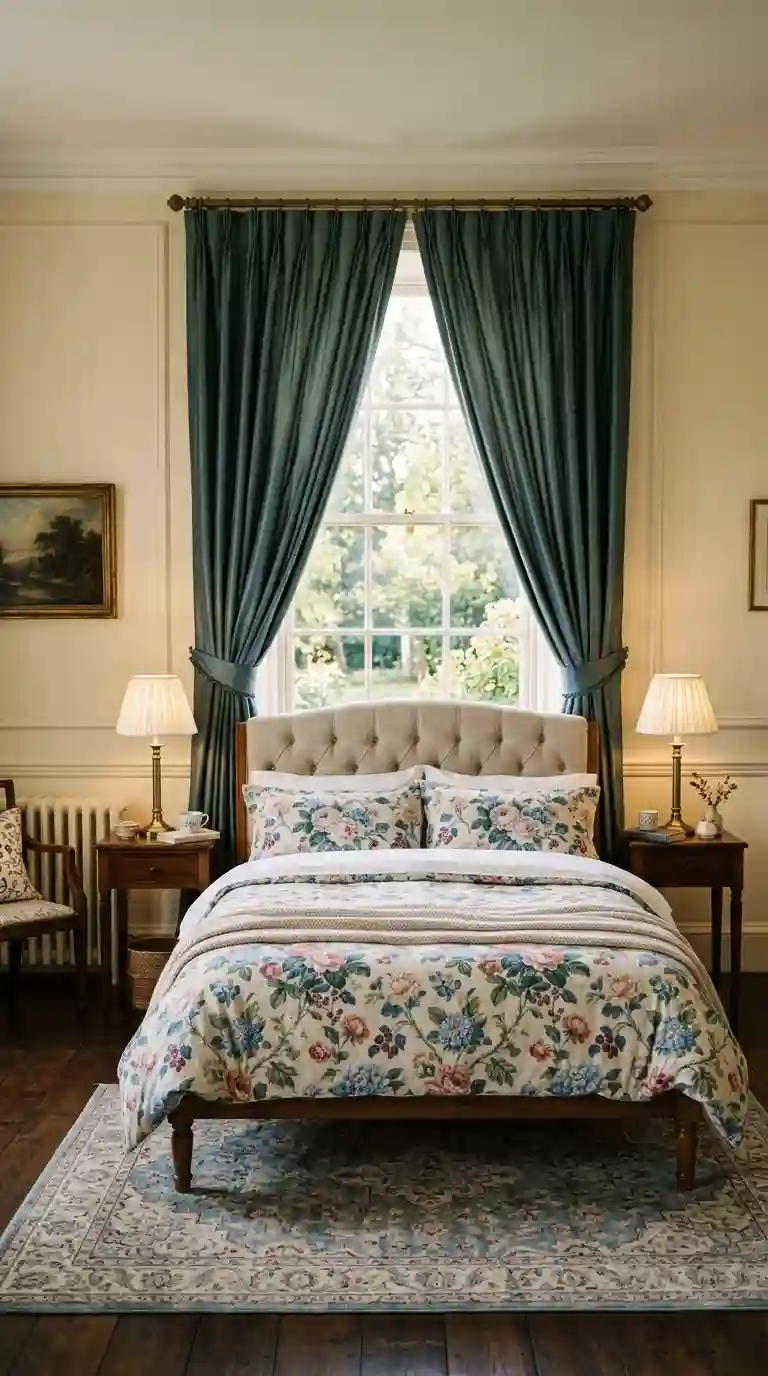
Bedrooms within traditional home decor prioritize comfort and a genuine sense of retreat, using classic furniture and rich textiles to create a room that feels calm rather than sparse or overly minimal.
An upholstered headboard, often tufted or featuring nailhead trim detailing, brings both comfort and visual interest to the bed itself, functioning as a genuine focal point within the overall room design.
Matching nightstands, paired symmetrically on either side of the bed with coordinating table lamps, reinforce the balanced, orderly feeling central to traditional home decor, even within a smaller, more private room like a bedroom.
Layered bedding, incorporating a fitted sheet, a proper duvet or quilt, and several decorative pillows in coordinating fabrics, brings a genuinely cozy, inviting quality that a single flat comforter alone simply cannot achieve.
A dedicated seating area, even something as simple as a single upholstered chair positioned near a window, adds functional versatility to a traditionally styled bedroom while reinforcing the overall sense of comfort and permanence found throughout this design approach.
Heavier drapery, often lined for both light control and added visual weight, remains a hallmark of traditional bedroom decor, softening the room and adding a genuine sense of coziness, particularly during darker winter months.
Kitchen Ideas Reflecting Traditional Home Decor Values
Kitchens within traditional home decor favor warmth, natural materials, and classic detailing over the starker, more minimalist finishes commonly found in contemporary kitchen design.
Raised panel or shaker style cabinetry, often painted in a soft, warm neutral color rather than a stark white, forms the foundation of a traditionally styled kitchen, bringing classic detailing to even the most frequently used room in the entire home.
Natural stone countertops, particularly marble or a similarly veined material, pair beautifully with traditional cabinetry, adding genuine texture and a sense of quality that reinforces the overall aesthetic throughout the space.
A farmhouse or apron front sink brings a classic, slightly historic detail into a traditional kitchen, often paired with a bridge style faucet in a warm metal finish like brass or oil rubbed bronze for a cohesive, period appropriate feeling.
Open shelving, displaying a collection of classic white or patterned dishware, allows traditional home decor to extend into functional kitchen storage, giving the room a bit of the same collected, personal character found throughout the rest of the house.
A dedicated breakfast nook or a small kitchen table, often paired with upholstered bench seating, brings warmth and a genuine sense of gathering into this room, reflecting the family centered values that traditional home decor has always emphasized.
Also Read : 51 Genius Home Office Organization Ideas That Will Instantly Transform Your Workday
Color Palettes That Define Traditional Home Decor
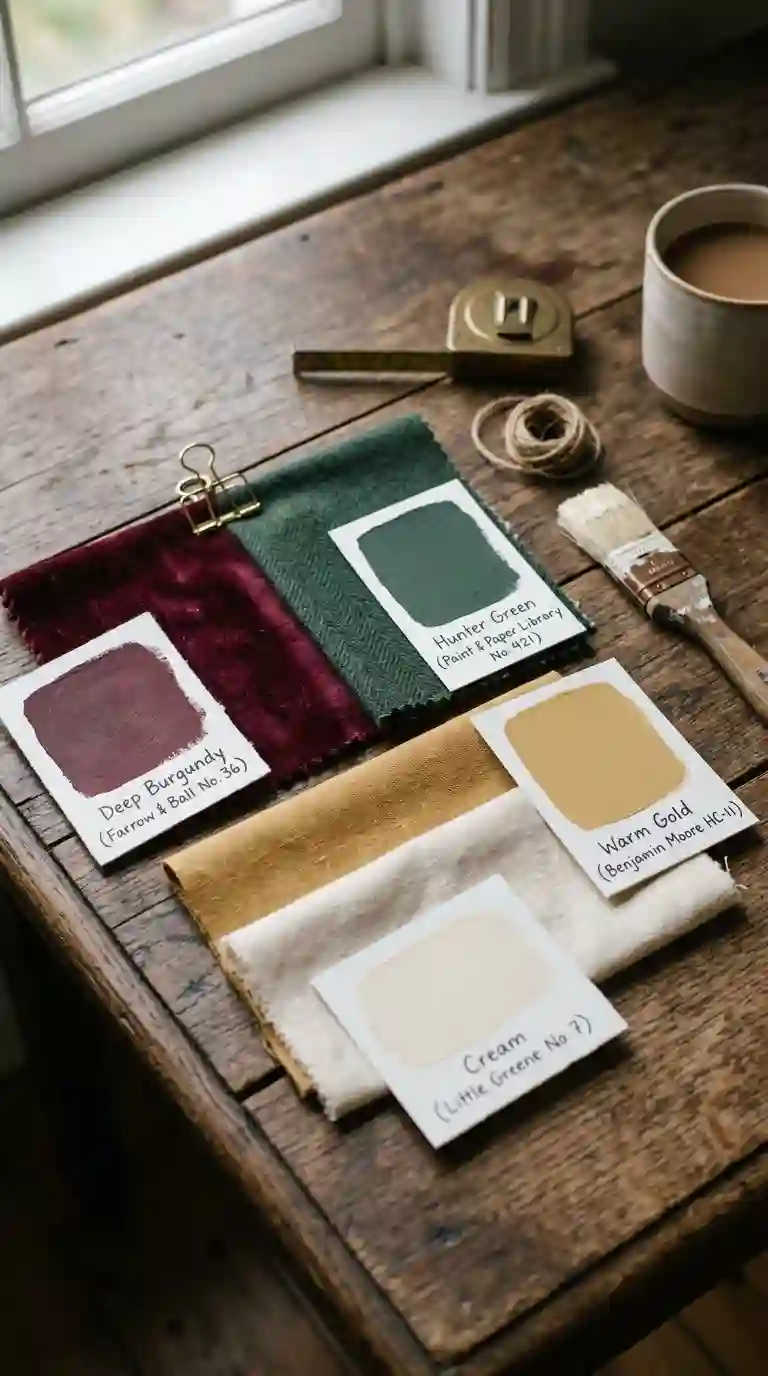
Color choices within traditional home decor tend to lean rich and warm, avoiding the starker, cooler palettes commonly associated with more minimalist or contemporary design approaches.
Deep, saturated colors like hunter green, burgundy, and navy blue remain consistently popular within traditional home decor, often used on accent walls, upholstery, or cabinetry to create a genuine sense of depth and sophistication throughout a room.
Warm neutrals, including cream, warm beige, and soft ivory, provide the foundation for many traditionally styled homes, offering a versatile backdrop that lets richer accent colors and patterned textiles stand out clearly against a calm base.
Gold and brass accents, whether through hardware, light fixtures, or decorative frames, bring a touch of warmth and subtle shine that has remained a consistent hallmark of traditional home decor across many decades of shifting broader design trends.
Current design conversations increasingly favor moody, grounded hues layered alongside warm neutrals, a shift that genuinely aligns well with the deeper, richer color choices that have always been central to authentic traditional home decor, giving the style a naturally current feeling even as broader trends evolve around it.
Pattern plays just as significant a role as solid color within this aesthetic, with classic motifs like toile, stripes, plaid, and florals appearing frequently across upholstery, wallpaper, and textiles throughout a traditionally decorated home.
Furniture Choices Central to Traditional Home Decor
Furniture selection might be the single most defining decision within any traditional home decor project, since the specific silhouettes and materials chosen carry an enormous amount of the overall stylistic weight in a room.
Solid wood furniture, particularly pieces crafted from cherry, mahogany, or oak, remains the backbone of traditional home decor, offering both genuine durability and a rich, warm visual quality that lighter, more contemporary materials cannot fully replicate.
Classic silhouettes, including rolled arm sofas, wingback chairs, and turned wood table legs, define the overall shape language found throughout traditionally styled rooms, distinguishing this aesthetic clearly from the cleaner, more geometric lines typically found in modern design.
Antique and vintage furniture pieces bring genuine history and character into traditional home decor, and many homeowners specifically seek out inherited family pieces or estate sale finds to add authentic depth that a brand new furniture purchase alone cannot provide.
Mixing furniture from different eras has become an increasingly celebrated approach within modern interpretations of traditional home decor, pairing a genuinely antique piece alongside more contemporary art or accessories to create a layered, collected feeling that avoids the museum like stiffness sometimes associated with overly matched traditional rooms.
Upholstered furniture featuring classic detailing, like nailhead trim, tufting, or a skirted base, reinforces the overall traditional feeling even in a newly purchased piece, bridging the gap between genuinely antique furniture and more modern manufacturing techniques.
Textiles and Fabric Choices Within Traditional Home Decor
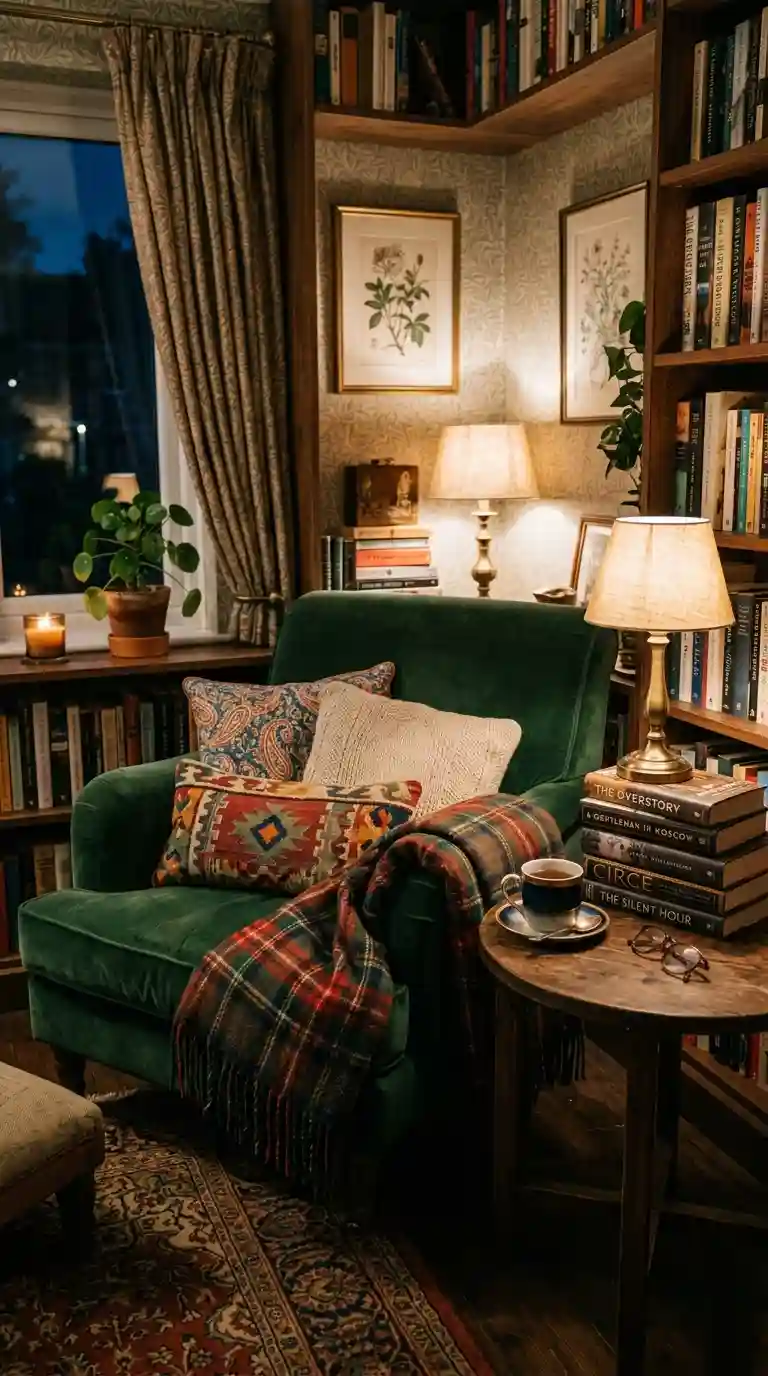
Fabric choices carry enormous weight within traditional home decor, contributing texture, pattern, and a genuine sense of richness that plainer, more minimalist material choices simply cannot achieve.
Velvet remains one of the most iconic fabrics associated with this style, bringing a plush, luxurious texture to upholstered furniture, throw pillows, and drapery throughout a traditionally decorated home.
Damask and jacquard fabrics, featuring intricate woven patterns, have remained a consistent hallmark of formal traditional home decor for generations, often used on upholstery or as decorative pillow covers to add subtle sophistication without relying on overly bold color alone.
Toile fabric, typically featuring a pastoral or historical scene printed in a single color against a light background, brings a genuinely distinctive, storytelling quality to traditional home decor, whether used as wallpaper, drapery, or upholstery on a smaller accent piece.
Linen offers a slightly more relaxed textile option within this aesthetic, softening what might otherwise feel like an overly formal room while still maintaining the natural material quality central to authentic traditional home decor.
Layering multiple patterns and textures together, rather than sticking to a single fabric throughout an entire room, has become an increasingly celebrated technique within modern traditional home decor, creating visual interest and depth that a more uniform, matched approach simply cannot achieve.
Wall Treatments and Architectural Details in Traditional Home Decor
Architectural detailing plays a genuinely significant role in traditional home decor, often shaping the entire feeling of a room before a single piece of furniture even enters the space.
Crown molding, installed where the wall meets the ceiling, remains one of the most recognizable architectural signatures of traditional home decor, adding a sense of formality and craftsmanship that a plain, undetailed wall simply lacks.
Wainscoting or paneled walls, typically installed on the lower portion of a wall and often painted in a contrasting color to the upper wall surface, bring genuine texture and dimension into traditionally styled rooms, particularly popular in dining rooms, entryways, and formal living spaces.
Wallpaper has genuinely surged back into mainstream popularity recently, and this shift aligns beautifully with traditional home decor’s long standing embrace of pattern and storytelling on the wall surface itself, whether through a botanical print, a classic stripe, or a more elaborate historical inspired design.
Coffered ceilings, featuring a grid pattern of recessed panels, bring a genuinely impressive architectural statement to larger rooms within a traditional home, though this particular detail typically requires a more significant renovation investment compared to simpler molding or wainscoting additions.
Paneled or raised panel doors, rather than simple flat slab doors, reinforce the overall traditional feeling throughout a home’s interior, extending the same classic detailing found in furniture and wall treatments into the architecture itself.
Also Read : Gallery Wall Layout Ideas: The Ultimate Guide to a Wall People Actually Stop and Look At
Traditional Home Decor Ideas for Smaller Spaces
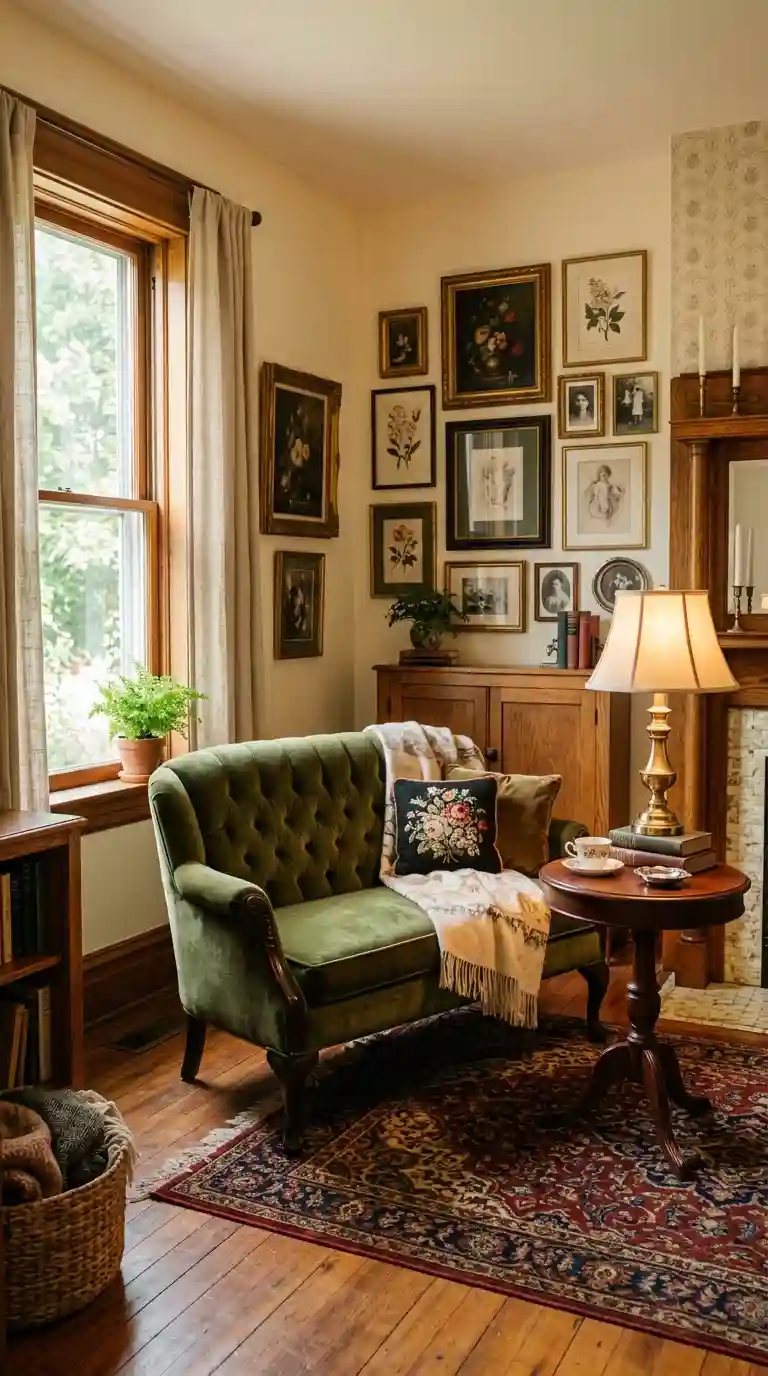
Not every home built around traditional home decor has the luxury of expansive rooms, and this style genuinely translates well into smaller spaces when approached with a bit of thoughtful editing.
Choosing appropriately scaled furniture matters enormously in a smaller room. A substantial, oversized wingback chair that would look stunning in a large formal living room can easily overwhelm a compact space, so seeking out smaller scaled versions of these same classic silhouettes helps maintain the traditional feeling without sacrificing usable floor space.
Mirrors play a particularly valuable role within traditional home decor for smaller rooms, both reflecting light to make the space feel larger and offering an opportunity to incorporate a classic, ornately framed piece that reinforces the overall aesthetic.
A single, well chosen statement piece, whether an antique chest or a particularly striking chandelier, can carry the traditional feeling of an entire room without requiring every single item to be equally elaborate or historic in style.
Vertical elements, including tall bookcases or floor to ceiling drapery, draw the eye upward and help a smaller room feel more spacious, while still allowing for the classic detailing central to traditional home decor.
Gallery walls featuring a collection of smaller, classically framed artwork offer a genuinely effective way to bring depth and personality into a compact traditional space without requiring the large scale furniture pieces that might otherwise feel cramped in limited square footage.
Blending Modern Elements Into Traditional Home Decor
A growing number of homeowners are drawn to a softened, updated interpretation of traditional home decor, one that respects the classic foundations of this style while incorporating a few more current elements for a look that feels genuinely livable today.
Pairing an antique piece, like a carved wood console table, with a strikingly modern piece of art creates the kind of intentional contrast that keeps traditional home decor from feeling like a museum recreation rather than an actual home someone lives in.
Softening overly formal, matched furniture arrangements with a few more relaxed, contemporary accent pieces, like a simple modern floor lamp or an unexpected geometric throw pillow, helps traditional home decor feel current rather than frozen in a specific historical moment.
Curved furniture silhouettes, increasingly popular across broader design trends right now, blend surprisingly well into traditional home decor, since rounded forms have always had a place within classic design language, from curved arm chairs to rounded pedestal tables.
Combining historical architectural details, like original crown molding or paneled doors, with more updated furnishings and a slightly lighter, less saturated color palette allows a home to feel both authentically traditional and genuinely current at the same time, rather than choosing one direction at the complete expense of the other.
This blended approach, sometimes referred to within broader design conversations as a modern take on heritage style decorating, reflects a genuine appreciation for craftsmanship and history while still feeling personal and relevant to how people actually want to live today.
Budget Friendly Ways to Achieve Traditional Home Decor
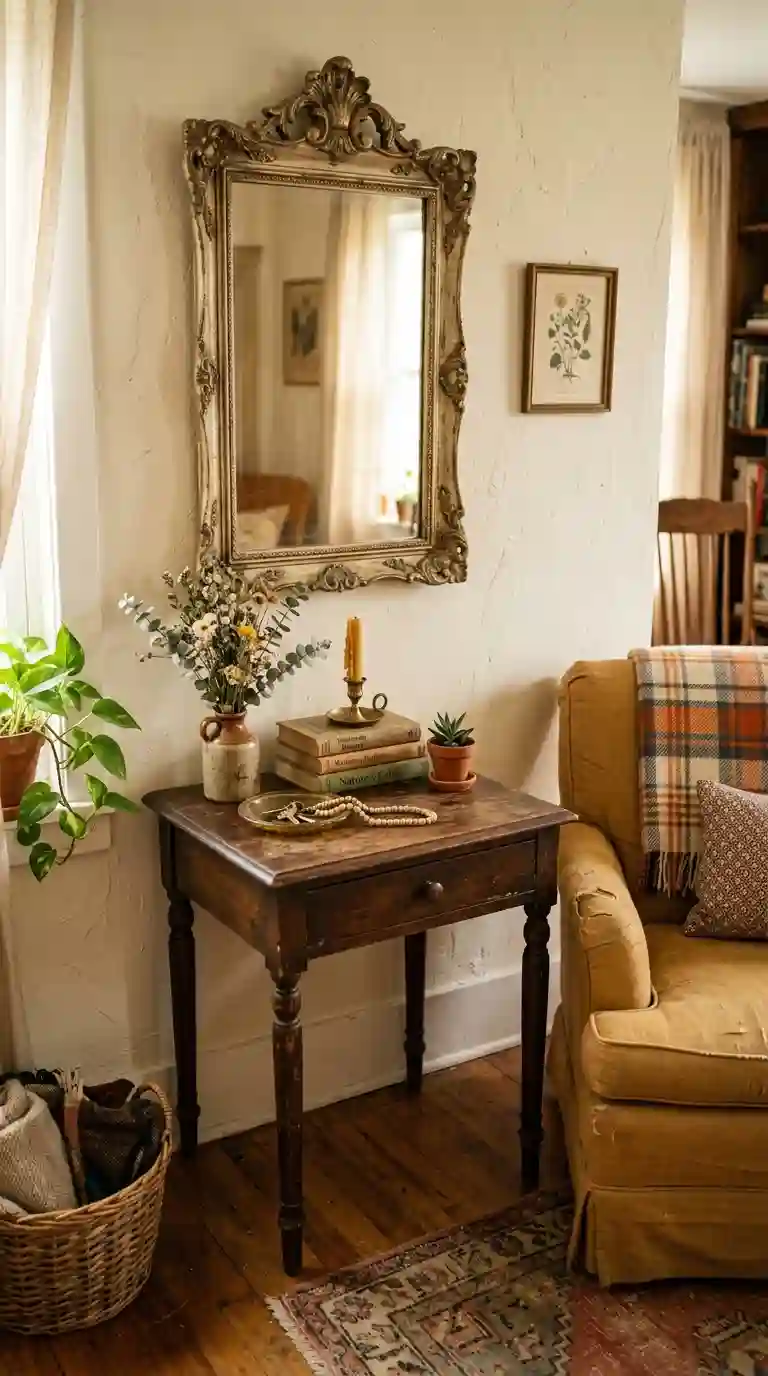
You genuinely do not need an unlimited budget to bring authentic traditional home decor into your home, and some of the most character filled rooms I have encountered relied heavily on secondhand and thoughtfully sourced pieces rather than expensive new furniture.
Estate sales, antique shops, and secondhand marketplaces remain some of the very best sources for genuinely authentic traditional home decor pieces, often offering solid wood furniture and classic detailing at a fraction of what a comparable new piece would cost.
Reupholstering an inherited or secondhand piece of furniture in a fresh fabric can transform an outdated item into something that fits beautifully within a current traditional home decor scheme, while preserving the genuine craftsmanship and solid construction that older furniture often offers compared to newer budget alternatives.
Wallpaper and paint remain two of the most cost effective ways to introduce classic pattern and rich color into a room, offering a genuinely high visual impact for a relatively modest financial investment compared to a larger furniture purchase.
Swapping hardware, like cabinet pulls or door knobs, to a warmer, more classic finish such as brass or oil rubbed bronze can meaningfully elevate the traditional feeling of an existing kitchen or bathroom without requiring a full renovation.
Layering in textiles gradually, adding a patterned throw pillow, a classic area rug, or a set of proper curtains over time rather than all at once, allows a homeowner to build toward a fully realized traditional home decor aesthetic without a significant single expense.
How I Approach a Real Traditional Home Decor Project From Start to Finish
Every project I take on within this style starts with a conversation about family history and personal meaning, since traditional home decor at its best genuinely reflects the people living in that specific home rather than a generic showroom formula.
I remember working with a client who had inherited her grandmother’s dining table, a beautiful but slightly worn piece she was nervous did not fit her overall vision for the room. Rather than replacing it, we built the entire dining room around that table, choosing new upholstered chairs in a fresh fabric and adding a contemporary light fixture above it to keep the room from feeling frozen in an earlier decade. The finished room felt genuinely personal in a way that an entirely new furniture set never could have achieved.
I have also worked with clients starting completely from scratch, wanting the feeling of an established, traditional home decor scheme in a newly built house with no existing history to draw from. In these situations, sourcing a handful of genuine antique or vintage pieces, even just one or two per room, made an enormous difference in avoiding that overly matched, brand new showroom feeling that can sometimes undermine an otherwise well executed traditional design.
What I have learned across both types of projects is that the most successful traditional home decor comes from a willingness to blend, to mix an inherited piece with something newly purchased, or an antique with something surprisingly modern, rather than trying to recreate an entire room from a single historical moment. That layered, collected quality is really what makes a traditionally decorated home feel genuinely warm rather than stiff or overly formal.
Also Read : Sweetheart Table Decor Ideas: The Ultimate Guide to Styling Your Most Romantic Reception Moment
Common Mistakes That Undermine Good Traditional Home Decor
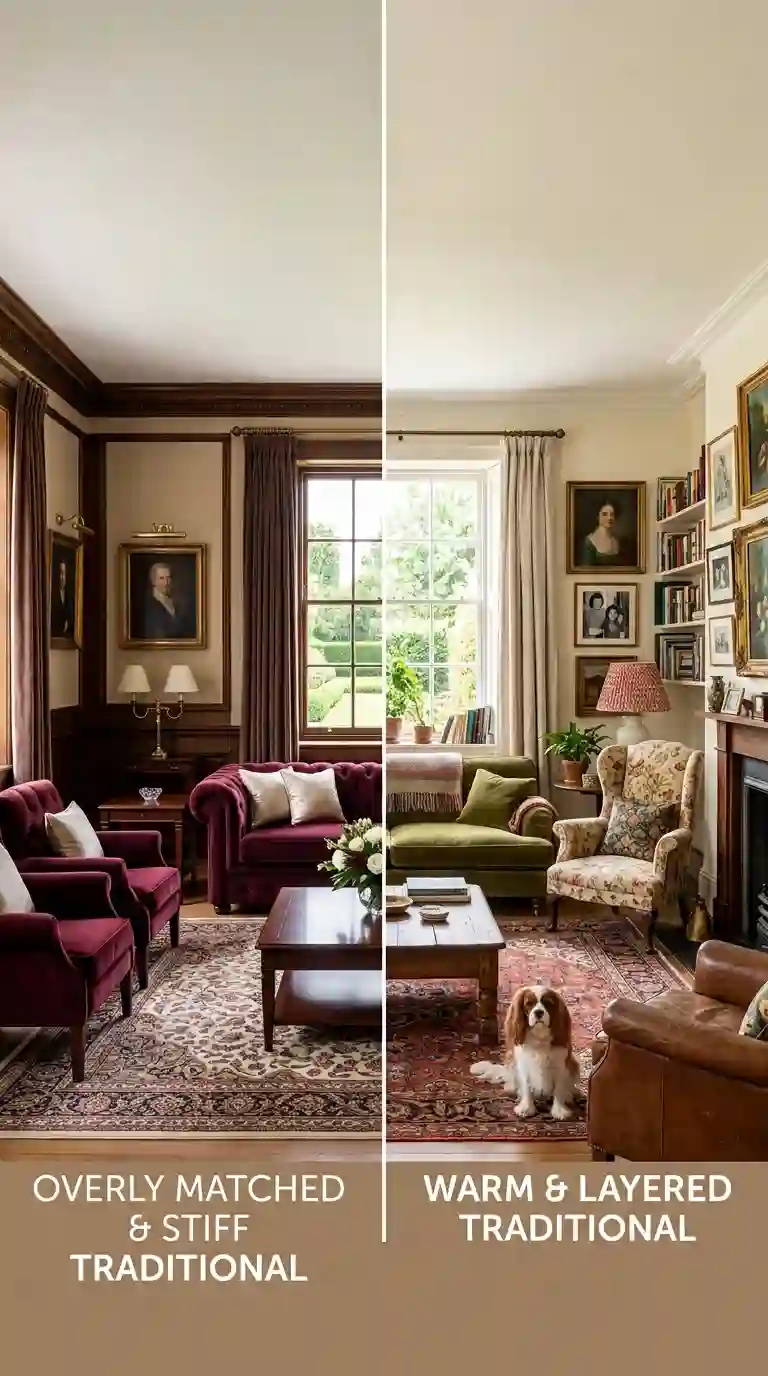
After working through many of these projects, certain mistakes come up again and again, quietly pulling a space away from genuinely successful traditional home decor and toward something that feels stiff or dated instead.
Buying an entire matched furniture set from a single collection is probably the most common issue. While symmetry and coordination matter within this style, a room built entirely from one manufacturer’s matching pieces tends to feel flat and showroom like rather than genuinely collected over time.
Overcommitting to a single, very specific historical period without any variation can make a room feel more like a museum exhibit than an actual home someone lives in comfortably day to day.
Neglecting comfort in favor of pure formality undermines the genuine livability that good traditional home decor should offer. A beautiful but genuinely uncomfortable sofa defeats much of the purpose of a living room, regardless of how well it fits the overall aesthetic.
Ignoring scale relative to your specific room size, particularly with larger, more ornate furniture pieces, can overwhelm a smaller space and make an otherwise beautiful piece feel clumsy and out of proportion within its actual surroundings.
Skipping personal, meaningful items in favor of purely decorative, purchased pieces removes much of the genuine warmth that traditional home decor depends on, since family photos, inherited objects, and personally collected items are exactly what separate a truly lived in traditional home from a generic, catalog inspired version of the same style.
Traditional Home Decor Ideas for Different Regional Styles
Traditional home decor is not a single monolithic look, and regional variations bring genuinely interesting differences worth considering depending on your specific home and personal taste.
English traditional style, often associated with a slightly more layered, maximalist approach, embraces bold florals, rich color combinations, and a genuinely collected, slightly eclectic mix of antiques and patterns throughout a single room.
American colonial style leans toward a more restrained, symmetrical approach, favoring simpler furniture silhouettes, classic wood tones, and a slightly more understated color palette compared to its more maximalist English counterpart.
French country style, while related, brings a softer, more romantic quality into traditional home decor, incorporating distressed or painted wood furniture, toile fabric, and a lighter, more sun bleached color palette than a formal English or American traditional interior.
Southern traditional style, particularly popular throughout the American South, often incorporates classic architectural elements like columns and porches into the broader home design, paired with interior decor that leans warm, hospitable, and slightly more relaxed than a stricter formal traditional approach.
Understanding which specific regional variation resonates with your own taste can genuinely help focus your traditional home decor choices, since attempting to blend too many different regional influences at once can occasionally muddy the overall cohesion of a finished room.
Read Also: 40 Durable Mudroom Flooring Ideas That Survive Every Season Without Losing Their Charm
Maintaining Traditional Home Decor Over Time
Once you have established your traditional home decor scheme, a bit of ongoing care keeps it looking its best for years to come, particularly given the genuine investment often involved in quality furniture and materials central to this style.
Regularly dust and polish solid wood furniture using appropriate products for the specific finish, since neglecting this maintenance can dull the natural richness that makes wood furniture such a defining element of traditional home decor.
Rotate and clean upholstered furniture periodically, addressing spills or stains promptly, particularly on more delicate fabrics like silk or certain velvets that require gentler cleaning methods compared to more durable performance textiles.
Revisit and refresh textiles like curtains, throw pillows, and area rugs every so often, since fabric naturally fades and wears over time, and a periodic refresh keeps a traditionally decorated room from starting to feel tired or dated despite the timeless nature of the underlying furniture and architectural elements.
Continue adding meaningful, personally collected pieces gradually over the years, since traditional home decor genuinely benefits from this ongoing evolution, allowing a home to keep gathering character and history rather than remaining frozen exactly as it was on the day the original decorating project was completed.
FAQ About Traditional Home Decor
What defines traditional home decor?
Traditional home decor is defined by classic furniture silhouettes, rich natural materials, symmetrical layouts, warm color palettes, and architectural details like crown molding and wainscoting, creating a timeless, established feeling within a room.
Is traditional home decor still popular in 2026?
Yes, traditional home decor remains genuinely popular, particularly as broader design trends move toward warmer, richer colors and a renewed appreciation for craftsmanship, history, and handcrafted, personal touches within a home.
What colors work best for traditional home decor?
Deep, saturated colors like hunter green, burgundy, and navy blue paired with warm neutrals like cream and beige are among the most popular color choices within traditional home decor.
What furniture styles are considered traditional home decor?
Classic silhouettes including rolled arm sofas, wingback chairs, turned wood table legs, and tufted upholstery are all considered hallmarks of traditional home decor.
How do I make traditional home decor feel less formal?
Mixing furniture from different eras, softening matched arrangements with a few more relaxed or modern accent pieces, and prioritizing genuinely comfortable furniture all help traditional home decor feel warmer and more livable rather than overly stiff.
What fabrics are commonly used in traditional home decor?
Velvet, damask, toile, and linen are among the most commonly used fabrics within traditional home decor, bringing texture, pattern, and a rich, layered quality to upholstery and textiles throughout a room.
Can traditional home decor work in a small space?
Yes, choosing appropriately scaled furniture, using mirrors to enhance light, and incorporating one strong statement piece rather than many large items all help traditional home decor translate well into smaller rooms.
What is the difference between traditional and transitional home decor?
Traditional home decor leans fully into classic furniture, rich colors, and historical detailing, while transitional decor blends traditional elements with cleaner, more contemporary lines for a style that sits between the two aesthetics.
How much does it cost to decorate a home in traditional style?
Costs vary significantly, but budget friendly approaches like secondhand furniture, reupholstering existing pieces, and using paint or wallpaper for high impact updates can bring authentic traditional home decor into a home without an unlimited budget.
What wall treatments are popular in traditional home decor?
Crown molding, wainscoting, paneled walls, and classic patterned wallpaper are all popular wall treatment choices within traditional home decor, adding texture and architectural interest to a room.
Final Thoughts on Traditional Home Decor
Traditional home decor endures because it is built on something more lasting than a passing trend. Genuine craftsmanship, warm materials, and a sense of history simply do not expire the way a fleeting color palette or a viral furniture shape often does within just a couple of years.
Whether you are working with inherited family pieces, sourcing secondhand antiques, or blending classic furniture with a few more modern touches, the real goal behind good traditional home decor stays the same. Build a home that feels layered, personal, and genuinely comfortable, rather than a stiff, overly matched showroom recreation frozen in a single moment in time.
Take the time to add pieces gradually, mix a bit of history with your own personal taste, and let the room evolve naturally over the years. That patient, collected approach is really what separates a home that merely looks traditional from one that genuinely feels like it, warm, welcoming, and unmistakably lived in.




One comment on “Traditional Home Decor Ideas: The Ultimate Guide to Timeless, Character Filled Rooms”