

Corner bed ideas get overlooked far more often than they should. Most people grow up with the bed pushed flat against the longest wall simply because that is what everyone else does, and nobody ever questions it. The truth is, angling a bed into a corner, or wrapping it directly along two walls, can completely change how a bedroom functions, especially in a smaller or awkwardly shaped space where every inch genuinely matters.
This guide pulls together everything I have learned from planning real bedroom layouts around this exact approach, from tiny studio apartments to larger primary suites where the corner placement was chosen purely for the cozy, tucked away feeling it creates. We will walk through styles, clearance, storage, headboard options, and the small details that separate a corner bed setup that looks genuinely intentional from one that just looks like the furniture got shoved out of the way.
Let us get into it.
Also Read : Sloped Ceiling Bedroom Ideas: The Ultimate Guide to Turning Awkward Angles Into a Cozy Sanctuary
Why Corner Bed Ideas Are Worth Considering for Almost Any Bedroom
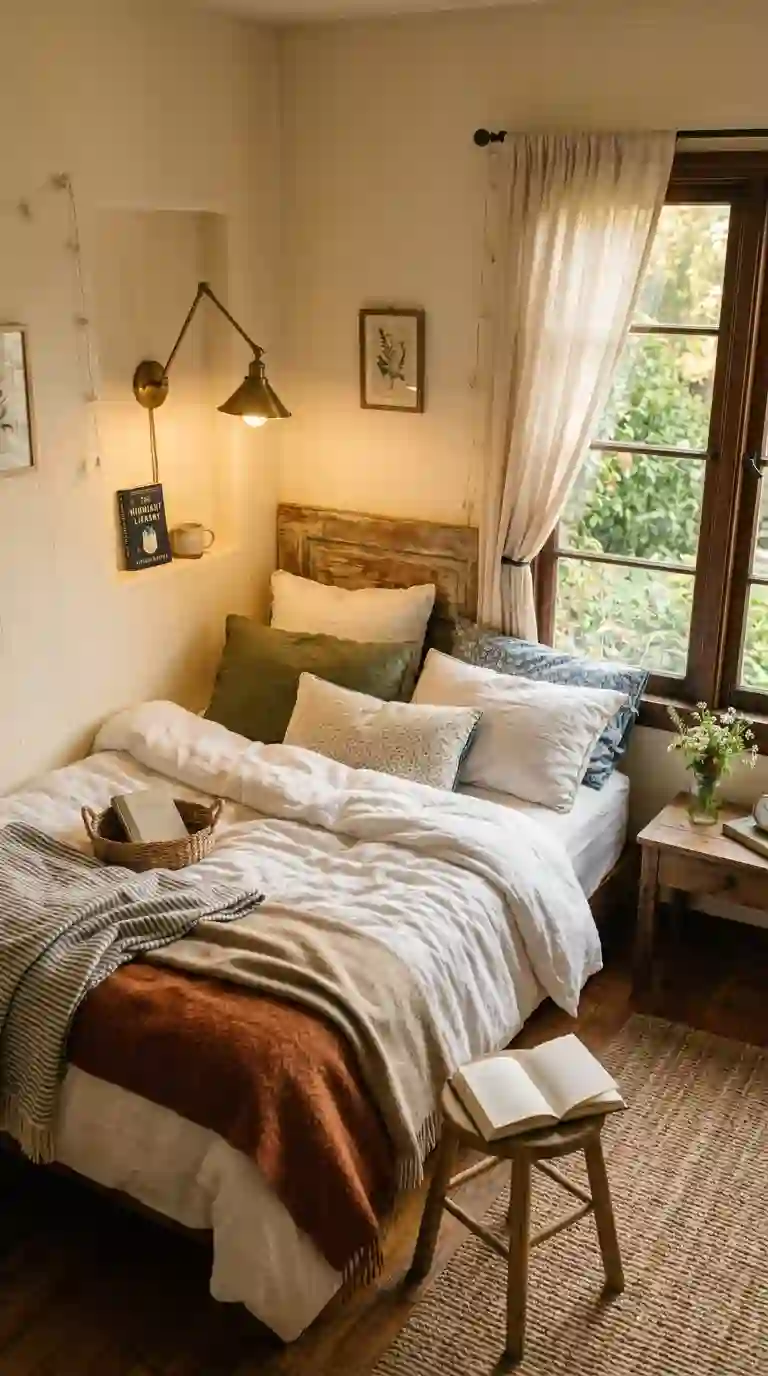
Most bedrooms default to the same layout without anyone ever really questioning it. Bed against the longest flat wall, nightstands on either side, dresser wherever it happens to fit. Corner bed ideas challenge that default, and once you actually see one done well, it becomes genuinely hard to understand why this is not a more common first choice.
Placing a bed into the corner of a room, either angled diagonally or tucked flush against two walls, frees up the central floor space in a way a traditional layout simply cannot match. That freed up space can become a small desk, a reading chair, a bench at the foot of the bed, or simply a bit of breathing room in a bedroom that previously felt cramped the moment you walked in.
This approach has become especially relevant given how home sizes have been trending recently. Newer homes have been getting smaller on average compared to just a few years ago, and bedrooms in particular are often the room that shrinks the most during that process. Corner bed ideas directly respond to that shift, offering a genuine solution for making a smaller footprint feel considerably more functional.
There is also something genuinely comforting about this particular layout beyond the practical space savings. A bed tucked into a corner, with solid walls on two sides rather than open air, creates a cocoon like intimacy that a lot of people find more restful than sleeping in the middle of an open room. I have had more than one client describe their corner bed setup as feeling noticeably cozier the very first night, even before any other decor changes were made.
Understanding Which Bedrooms Benefit Most From Corner Bed Ideas
Not every bedroom calls for this particular layout, and understanding when corner bed ideas genuinely make sense helps you avoid forcing a solution onto a room that might actually be better served by a more traditional arrangement.
Smaller bedrooms benefit enormously from corner bed ideas, since this layout is specifically built to maximize usable floor space in a room where every square foot matters. A bed pushed into a corner leaves a meaningfully larger open area in the center of the room compared to the same bed centered against a single wall.
Awkwardly shaped rooms, including those with a bay window, a sloped ceiling, or an unusually placed closet or door, often have one obvious corner that works beautifully for a bed while the rest of the room’s layout options remain genuinely limited. Corner bed ideas solve this kind of architectural puzzle more elegantly than trying to force a standard rectangular furniture arrangement into a room that simply was not built that way.
Shared bedrooms, particularly for siblings or roommates, sometimes use corner bed ideas specifically to carve out a bit more personal, separated feeling for each sleeping area, even within a single shared room.
Larger primary bedrooms can also benefit from this approach, not out of necessity but purely for the aesthetic and emotional quality it brings. Even with plenty of square footage to spare, some homeowners specifically choose corner bed ideas because the tucked away, intimate feeling appeals to them more than a bed floating in the center of an expansive room.
Rooms with limited wall space, where multiple doors, windows, or closets compete for the same flat surfaces, often leave a single corner as the only genuinely practical spot for a bed frame large enough to actually sleep comfortably in.
Corner Bed Ideas for Small Bedrooms and Studio Apartments
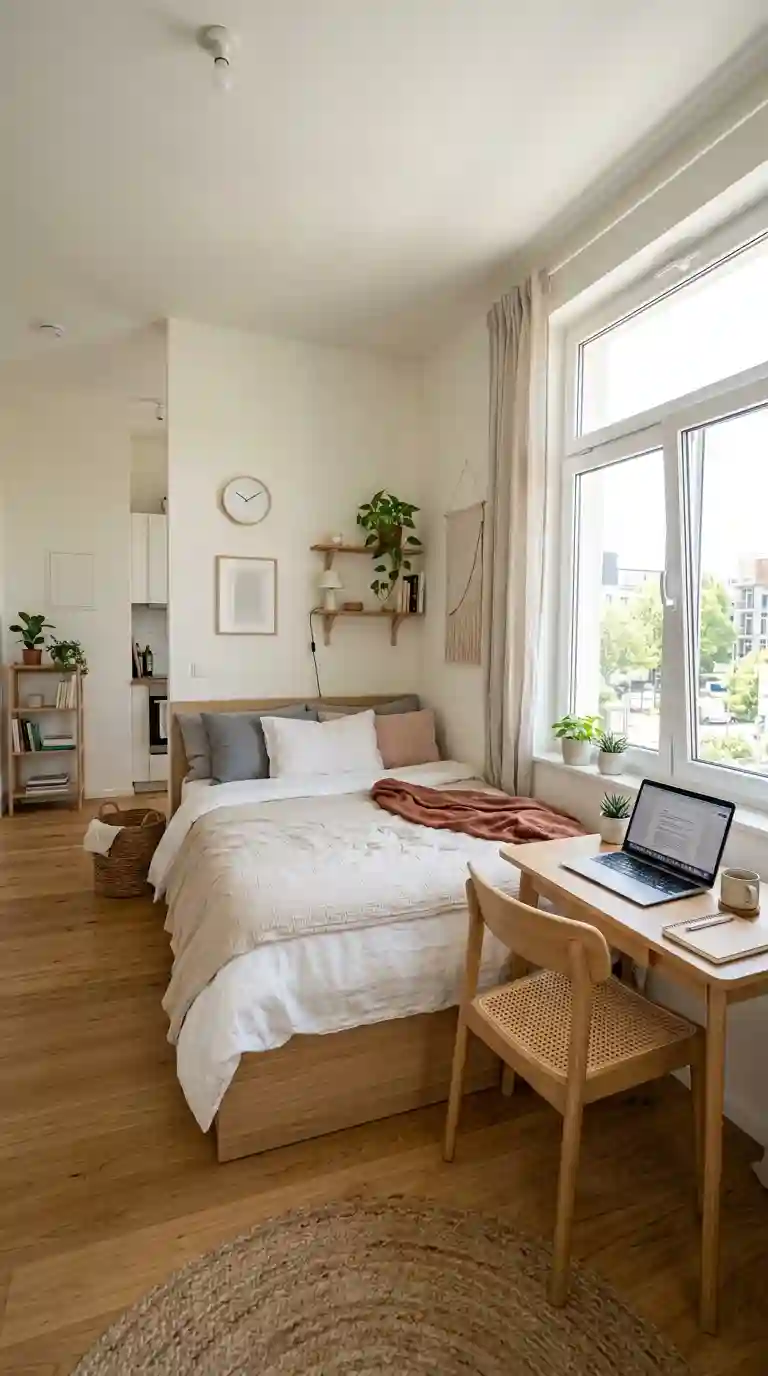
Small bedrooms and studio apartments represent some of the most common and most rewarding applications for corner bed ideas, since the square footage savings genuinely matter more in these spaces than almost anywhere else.
Angling a bed diagonally into a corner, rather than flush against both walls, creates a slightly more dramatic visual statement while still freeing up usable floor space on either side. This particular version of corner bed ideas works especially well in a nearly square room, where a diagonal placement can actually make the space feel larger than a straight, flush arrangement would.
A flush corner placement, with the bed frame sitting directly against both walls at a true right angle, tends to be the more space efficient option of the two, maximizing every inch of floor space outside the bed itself. This approach suits a narrower or more rectangular room where a diagonal placement would eat into space you genuinely cannot spare.
In a studio apartment specifically, corner bed ideas often work hand in hand with a broader zoning strategy, using the bed’s corner placement to naturally separate a sleeping area from a living or work area within the same open room, without requiring an actual wall or room divider.
Multifunctional furniture becomes even more valuable once a corner bed idea is in place, since the freed up central floor space can now genuinely accommodate a small desk, a compact seating area, or additional storage that would have felt impossibly cramped under a more traditional bed placement.
Vertical storage solutions, including tall narrow shelving units positioned along the now open wall, help a small bedroom make the most of every remaining inch once the bed itself has been relocated into its corner spot.
Must Read : Beige and White Bedroom Ideas That Feel Warm, Calm and Timeless
Choosing the Right Bed Style for Corner Bed Ideas
Not every bed frame style translates equally well into a corner placement, and understanding which options work best genuinely shapes how successful your final corner bed ideas will actually feel once everything is set up.
Upholstered platform beds, with their low profile frames and clean, simple lines, remain one of the most popular choices for corner bed ideas, particularly within a contemporary or minimalist bedroom. Their streamlined silhouette avoids competing visually with the slightly unconventional placement itself.
Wraparound headboards, where the fabric or upholstered panel extends around both walls rather than sitting flat against just one, create a genuinely built in, custom looking effect within corner bed ideas. This particular detail helps the bed feel like an intentional architectural feature of the room rather than furniture that simply got pushed into an available gap.
Canopy frames bring genuine height and drama into corner bed ideas, particularly well suited to a larger bedroom with enough ceiling height to support the visual weight of a canopy structure without making the room feel cramped or oppressive.
Storage integrated bed frames, featuring built in drawers along the base, have become an increasingly smart choice within corner bed ideas specifically because they maximize utility in exactly the kind of compact room where this layout tends to get used most often.
Daybed style frames, offering a dual purpose sleeping and seating surface, work beautifully within corner bed ideas for a smaller guest room or a multipurpose space, since the corner placement combined with a daybed’s lower, more casual profile makes the whole setup feel like genuine seating during the day rather than an obvious bed taking up the entire room.
Clearance and Measurement Guidelines for Corner Bed Ideas
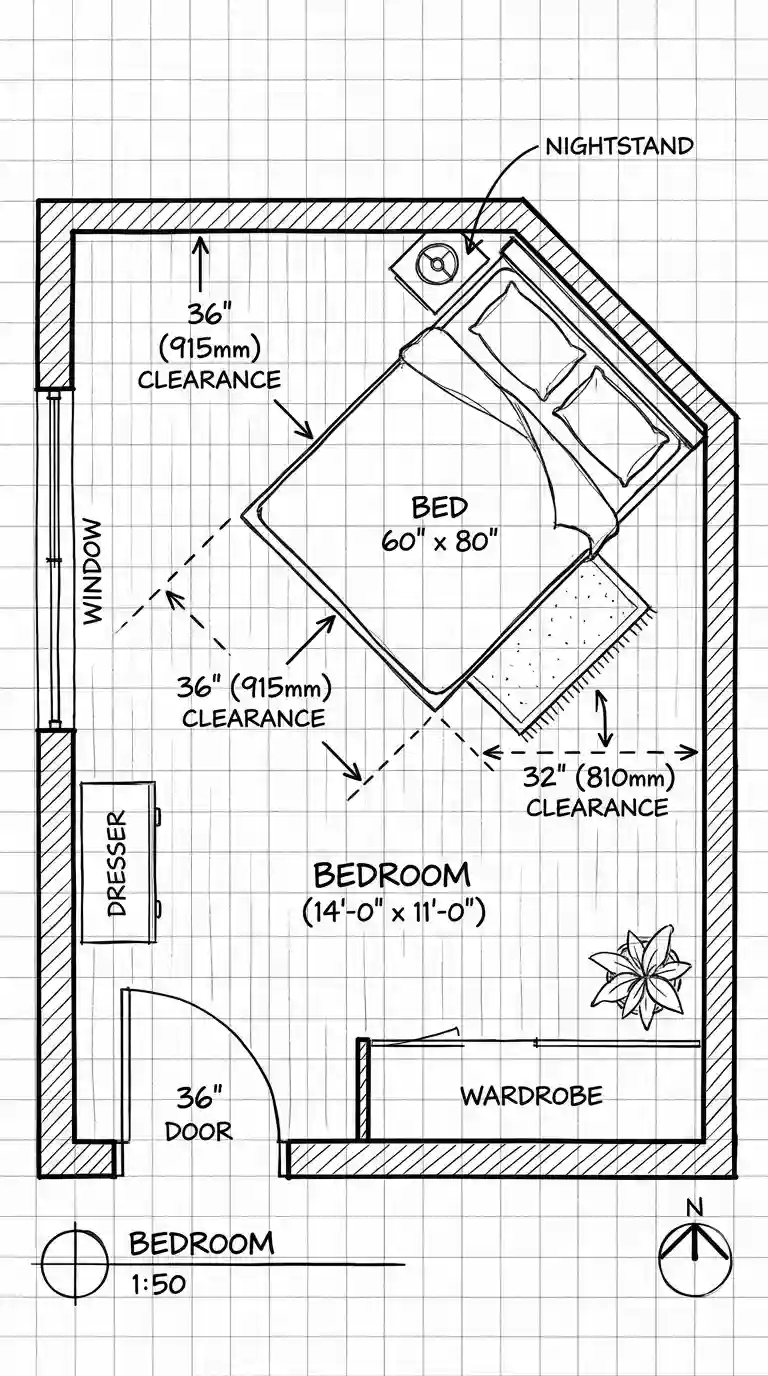
Getting the actual spacing right remains one of the most important, and most frequently overlooked, aspects of successfully executing corner bed ideas. Skipping this step often leads to a layout that looks fine on paper but feels genuinely cramped or impractical once you are actually living with it day to day.
For a twin or full sized bed within corner bed ideas, aim for roughly eighteen to twenty four inches of clearance along the open side of the bed, giving enough room to comfortably get in and out without feeling squeezed against a wall or piece of furniture.
Queen sized beds generally need a bit more breathing room, with twenty four to thirty inches of clearance recommended along the open side for comfortable daily movement, particularly if more than one person regularly uses that side of the bed.
King sized beds, given their larger overall footprint, typically call for thirty to thirty six inches of clearance, and this measurement becomes especially important within corner bed ideas since a king frame already occupies a significant portion of most standard bedroom floor plans even before accounting for walking space.
If you are placing a dresser or chest of drawers near your corner bed setup, allow for thirty six to forty inches of clearance in front of that piece specifically, ensuring the drawers can actually open fully without bumping into the bed frame or any other nearby furniture.
Taking these measurements seriously before committing to a specific corner bed idea prevents one of the most common disappointments I encounter, a beautifully planned layout that technically fits on paper but genuinely frustrates daily use once the furniture is actually in place.
Headboard and Wall Styling Ideas for Corner Bed Setups
The wall space surrounding a corner bed presents genuinely unique styling opportunities that a traditional, single wall bed placement simply does not offer, and taking advantage of this becomes one of the more enjoyable parts of planning corner bed ideas.
A wraparound headboard, as mentioned earlier, remains one of the most visually striking choices within corner bed ideas, since it treats both adjoining walls as a single continuous design surface rather than two separate, disconnected areas.
Wall mounted sconces, positioned on either side of the bed at a comfortable reading height, replace the need for traditional nightstand lamps entirely, which matters more within corner bed ideas since floor space immediately beside the bed is often more limited than in a traditional layout.
Floating shelves, mounted at a slightly higher position than a standard nightstand would normally sit, provide a practical surface for a book, a glass of water, or a small lamp without requiring any actual floor space, which becomes particularly valuable when one or both sides of a corner bed setup sit flush against a wall with minimal surrounding room.
Filling the dead space that sometimes results from an angled bed placement, the small triangular gap behind a diagonally positioned frame, with a floor lamp, a tall plant, or a piece of leaning artwork, prevents that area from feeling like an awkward afterthought within your overall corner bed ideas.
Layered textiles, including a tailored bedspread, a textured throw, and a few well chosen pillows, help emphasize that your corner bed placement was a deliberate design decision rather than simply the only spot the furniture happened to fit, which matters a great deal for how intentional the finished room ultimately feels.
Also Read : Ultimate Boys Bedroom Ideas: 60 Genius Ways To Design A Room He Will Actually Love
Corner Bed Ideas for Kids’ Rooms and Shared Bedrooms
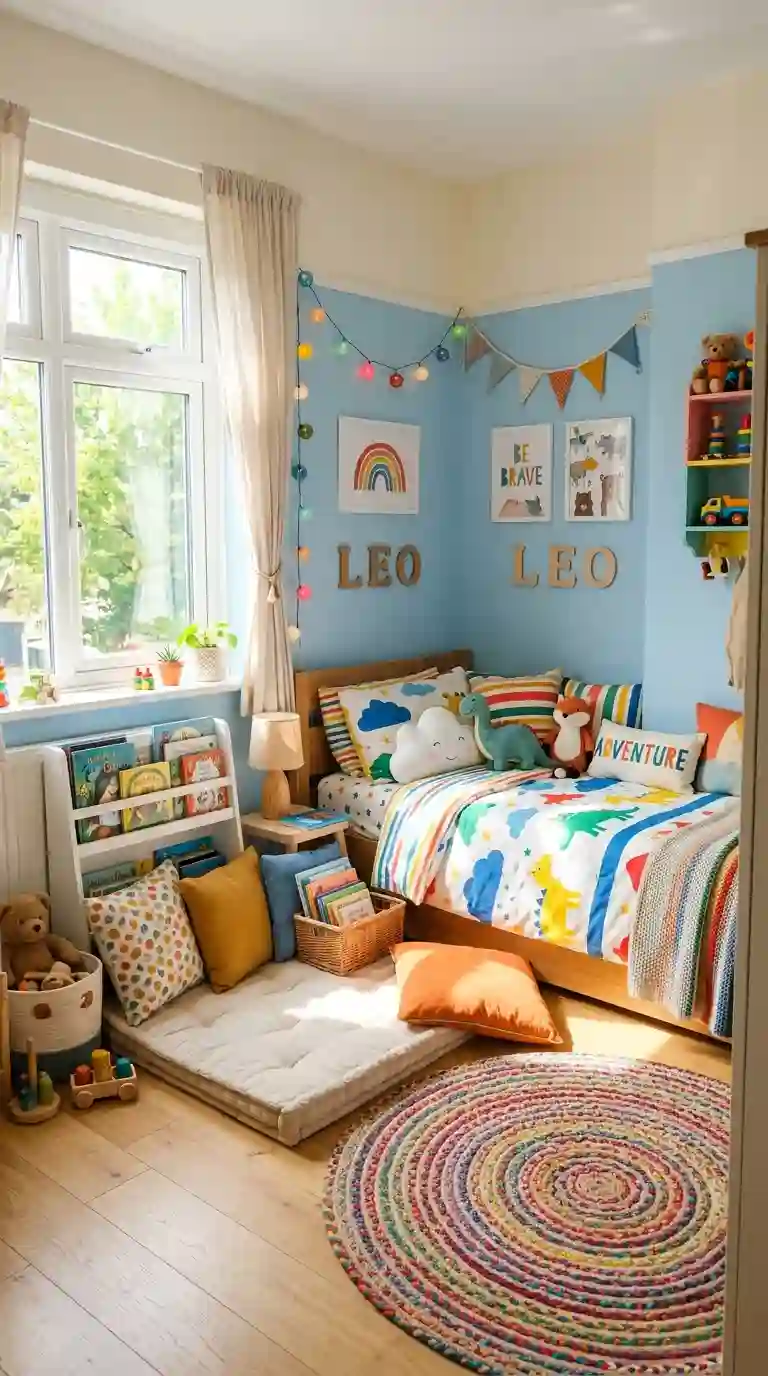
Children’s bedrooms and shared sleeping spaces offer some genuinely practical applications for corner bed ideas, often solving real functional problems that come with fitting multiple needs into a single smaller room.
Freeing up central floor space through corner bed ideas becomes especially valuable in a kids’ room, where open floor area for play, homework, or simply spreading out toys matters just as much as the sleeping arrangement itself.
In a shared bedroom with two children, positioning each bed into its own separate corner, rather than lining both frames up along a single wall, can create a bit more individual personal space for each child while still keeping the overall room feeling organized and intentional.
Built in or custom corner bed ideas, sometimes incorporating a small built in desk or shelving unit that wraps around the same corner as the bed itself, offer a genuinely efficient solution for a child’s room that needs to accommodate sleeping, studying, and storage all within a limited footprint.
Safety considerations matter more in a child’s room specifically, so ensuring any wall mounted shelving or decor near a corner bed setup is securely installed and positioned out of easy reach for younger children remains a genuinely important part of planning this particular layout for a kids’ space.
A cozy reading nook, positioned in the newly freed up central area of the room once a bed has been relocated into the corner, gives a child a dedicated, comfortable spot for reading or quiet time that a more traditional, space consuming bed placement simply would not have allowed for.
Corner Bed Ideas for Primary Bedrooms and Larger Spaces
While corner bed ideas are often associated with solving a space problem, this particular layout genuinely works beautifully in larger primary bedrooms too, chosen purely for the aesthetic and emotional quality it brings rather than out of necessity.
A canopy frame positioned within a corner bed idea in a larger primary suite creates a genuinely dramatic, almost architectural focal point, using the height and structure of the canopy to draw the eye upward while the corner placement itself adds an unexpected, intimate quality to an otherwise spacious room.
Even with ample square footage available, many homeowners specifically request corner bed ideas for their primary bedroom purely because of how cozy and enclosed the resulting sleep space feels, treating the extra available square footage as an opportunity for a larger seating area or a dedicated vanity space rather than simply centering the bed in an expansive, open room.
A sitting area, positioned in the newly available central floor space created by a corner bed placement, gives a primary bedroom a genuine secondary function beyond sleeping, whether that means a small reading chair, a loveseat, or a proper seating arrangement near a window.
Architectural features like a bay window or an interesting ceiling detail sometimes make the decision genuinely obvious within a larger bedroom, since corner bed ideas can work around these existing features in a way that complements rather than competes with the room’s unique architecture.
Styling Corner Bed Ideas for Different Design Aesthetics
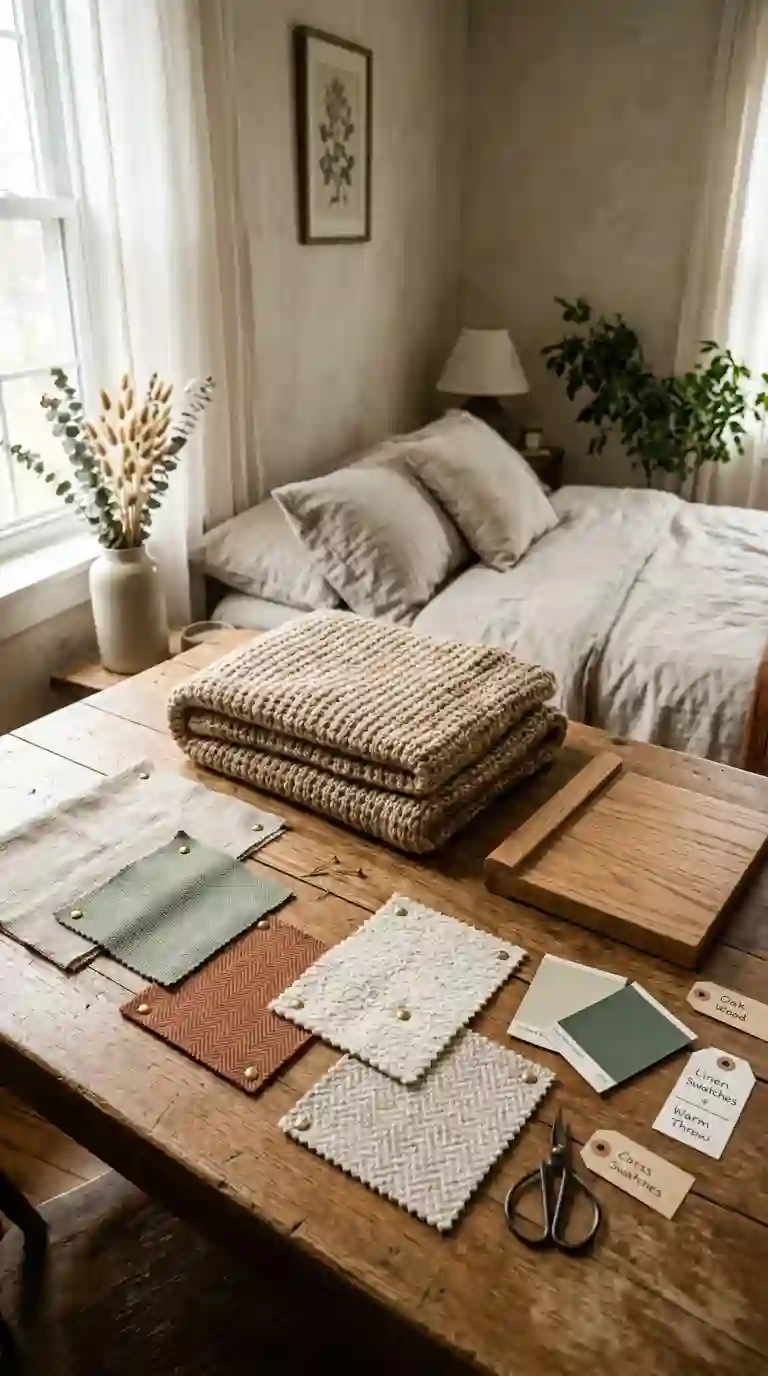
Different interior design styles call for genuinely different approaches to corner bed ideas, and matching your specific execution to your home’s overall aesthetic makes a real difference in how cohesive the finished bedroom ultimately feels.
For a modern minimalist bedroom, a low profile upholstered platform bed in a neutral tone, combined with simple wall mounted sconces rather than elaborate nightstand lamps, keeps corner bed ideas feeling clean and restrained rather than visually busy.
For a cozy, maximalist or eclectic bedroom, layering in richer textiles, a wraparound headboard in a bold pattern or texture, and a mix of wall decor filling the surrounding corner space supports the fuller, more collected feeling central to this particular design approach.
For a traditional or classic bedroom, a tailored upholstered headboard with button tufting or nailhead trim, paired with a more formal bedspread and coordinating pillows, brings a sense of structure and elegance to corner bed ideas without sacrificing the layout’s core space saving benefits.
For a bohemian bedroom, a lower, more relaxed frame paired with layered textiles, macrame wall hangings, and a bit of greenery tucked into the freed up floor space gives corner bed ideas a genuinely laid back, personal quality that suits this particular aesthetic beautifully.
For a coastal or relaxed bedroom, light, airy fabrics and a simple, uncomplicated bed frame within a corner placement support the breezy, uncluttered feeling this style depends on, particularly when paired with plenty of natural light from a nearby window
Read Also : 45 Cozy Bedroom Reading Nook Ideas That Will Instantly Upgrade Your Space
Lighting Considerations for Corner Bed Ideas
Lighting genuinely changes how functional and comfortable a corner bed setup actually feels day to day, and thinking through this element carefully prevents one of the more common frustrations with this particular layout.
Wall mounted sconces remain one of the most practical lighting solutions for corner bed ideas specifically, since traditional nightstand lamps require floor space that a corner placement often simply does not have available on one or both sides of the bed.
Natural light placement matters enormously too. If your room’s windows sit along one of the two walls your corner bed will be pushed against, consider how morning light will actually hit the bed before finalizing your exact placement, since a corner setup can sometimes position a sleeper more directly in the path of early sunlight than a traditional layout might.
Ambient overhead lighting, combined with a dimmer switch when possible, allows a corner bed setup to transition comfortably between a bright, functional daytime feeling and a softer, more relaxed evening atmosphere, which matters just as much within this layout as any other bedroom arrangement.
A floor lamp, positioned in that small triangular dead space sometimes created by a diagonally angled corner bed idea, serves double duty, filling an otherwise awkward gap while also providing genuinely useful supplemental lighting near the bed.
Storage Solutions Within Corner Bed Ideas
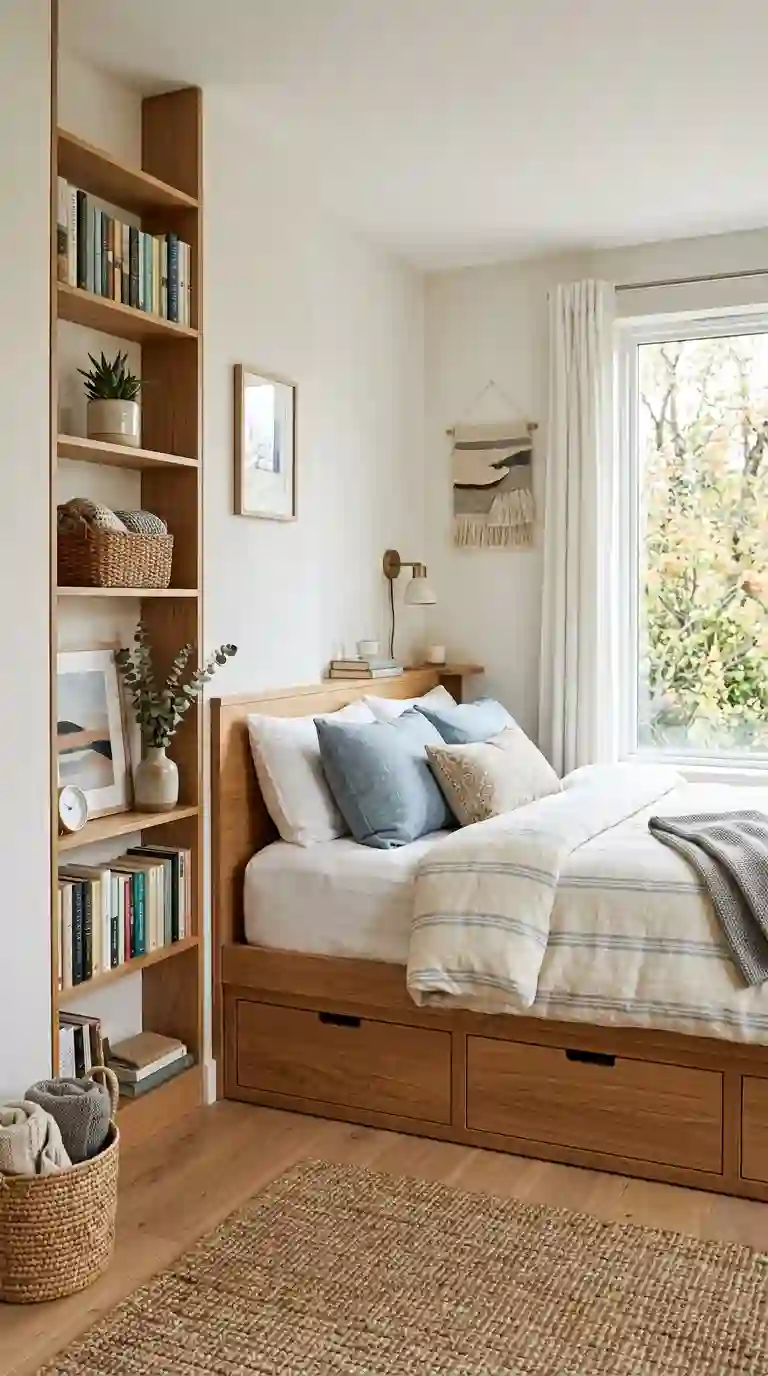
Storage often becomes a genuine concern once a bed moves into a corner, since this placement can sometimes eat into wall space that would normally hold a dresser or wardrobe within a more traditional bedroom layout.
Built in drawer storage beneath the bed frame itself has become one of the smartest solutions within corner bed ideas, essentially reclaiming storage capacity that the corner placement might otherwise sacrifice elsewhere in the room.
Tall, narrow vertical storage units, positioned along the now open central wall created by a corner bed placement, make efficient use of height rather than floor footprint, which suits a smaller bedroom where horizontal space remains genuinely limited even after relocating the bed.
Floating shelves and wall mounted organizers reduce the need for floor standing furniture entirely, freeing up even more of the room’s central area for movement or additional functional use within your overall corner bed ideas.
A closet organization system, maximizing every inch of existing closet space through better shelving and hanging solutions, becomes even more valuable once a corner bed placement has reduced the available wall space for a traditional dresser or chest of drawers.
Under bed storage bins, slid beneath a platform style frame that does not already include built in drawers, offer a genuinely affordable, flexible storage boost for corner bed ideas without requiring any additional furniture purchase at all.
Common Mistakes to Avoid With Corner Bed Ideas
After helping plan a genuine range of these bedroom layouts, certain mistakes come up repeatedly, quietly undermining otherwise promising corner bed ideas.
Skipping proper clearance measurements, as covered earlier, remains the single most common issue I encounter. A corner bed idea that looks perfectly reasonable on a rough sketch can feel genuinely cramped and impractical once the actual furniture is in place without the right spacing accounted for.
Choosing an oversized bed frame for a room that genuinely cannot support it, simply because the corner placement theoretically creates more floor space, can backfire if the frame itself ends up overwhelming the room’s actual proportions despite the clever placement.
Neglecting lighting planning, particularly around the loss of traditional nightstand space, leaves a lot of corner bed setups feeling functionally incomplete even after the furniture itself has been arranged thoughtfully.
Ignoring the small dead space that can result from a diagonally angled placement, rather than intentionally filling it with a plant, lamp, or artwork, leaves an awkward, unfinished looking gap that undermines the overall polished feeling of an otherwise well planned corner bed idea.
Forcing this particular layout onto a room where it genuinely does not suit the architecture or the resident’s personal preference, simply because it worked beautifully in an inspiration photo, can result in a bedroom that feels forced rather than genuinely improved by the change.
Must Read : 45 Sophisticated Teal Bedroom Ideas For Adults That Turn Any Room Into A Serene Retreat
How I Approach a Real Corner Bed Project From Start to Finish
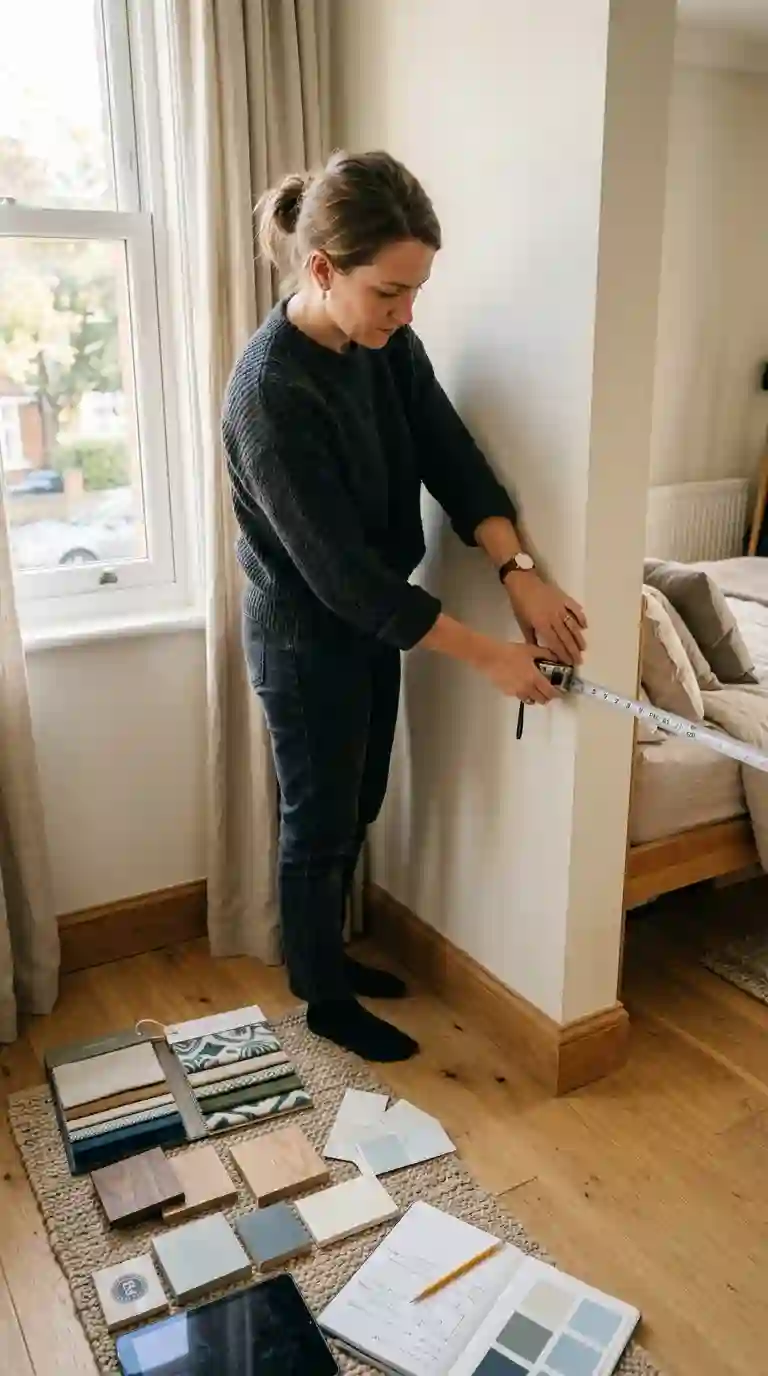
Every corner bed project I take on starts with an honest walk through the actual room, measuring every wall, window, and door placement before even considering specific furniture or styling choices.
I remember working with a client whose small bedroom felt genuinely unusable, the bed took up nearly the entire floor, leaving barely enough room to open the closet door fully. We measured the room carefully and found that angling her queen bed into the far corner, rather than keeping it flush against the longest wall, freed up enough central space for a small desk she had been wanting to fit in for years. The actual furniture did not change at all, only its placement, and the room went from feeling like a hallway with a mattress crammed into it to something that genuinely functioned as a proper bedroom and workspace combined.
I have also worked with clients in considerably larger primary bedrooms who chose corner bed ideas purely for the cozy, intentional feeling it created, even though space was never actually a limiting factor for them. In those projects, the focus shifted much more toward styling, a dramatic canopy frame, a wraparound upholstered headboard, and a seating area arranged in the newly available central floor space, rather than the purely practical clearance and storage considerations that dominate a smaller apartment project.
What I have learned across both types of projects is that the most successful corner bed ideas start from an honest assessment of the actual room and the resident’s genuine daily habits, rather than simply copying a specific inspiration photo without considering whether that particular execution actually fits the space in front of you.
FAQ About Corner Bed Ideas
What are corner bed ideas?
Corner bed ideas involve placing a bed frame into the corner of a bedroom, either angled diagonally or flush against both adjoining walls, rather than centering it against a single flat wall as in a traditional layout.
Do corner bed ideas work well in small bedrooms?
Yes, corner bed ideas are particularly effective in small bedrooms, since this placement frees up central floor space that a traditional single wall arrangement would otherwise consume.
How much clearance do I need for a corner bed?
Clearance needs vary by bed size, with twin or full beds generally needing eighteen to twenty four inches of open side clearance, queen beds needing twenty four to thirty inches, and king beds needing thirty to thirty six inches.
What bed frame style works best for corner bed ideas?
Upholstered platform beds with low profiles and wraparound headboards are among the most popular choices, since their clean lines and built in appearance suit the slightly unconventional corner placement particularly well.
Can a corner bed idea work with a king sized bed?
Yes, though king sized beds require more careful planning around clearance and overall room proportions, given their larger footprint compared to a twin, full, or queen sized frame.
How do I light a corner bed setup without nightstands?
Wall mounted sconces and floating shelves are commonly used in corner bed ideas, replacing the need for traditional nightstand lamps when floor space beside the bed is limited.
What should I do with the empty space behind an angled corner bed?
Filling that triangular dead space with a floor lamp, a tall plant, or a piece of leaning artwork prevents it from feeling like an awkward, unfinished gap within your overall layout.
Are corner bed ideas good for kids’ rooms?
Yes, corner bed ideas work particularly well in kids’ rooms, freeing up central floor space for play, homework, or additional furniture like a desk or reading nook.
Do corner bed ideas work in larger bedrooms too?
Yes, many homeowners choose corner bed ideas in larger primary bedrooms purely for the cozy, intimate feeling this layout creates, even when space is not a limiting factor.
How do I style the walls around a corner bed?
A wraparound headboard, wall mounted sconces, and floating shelves are all popular styling choices that treat both adjoining walls as a cohesive design surface within corner bed ideas.
Do corner bed ideas suit shared bedrooms?
Yes, positioning each bed into its own separate corner in a shared bedroom can give each occupant a bit more individual personal space while keeping the overall room organized.
Final Thoughts on Corner Bed Ideas
A bedroom layout is one of those decisions people rarely revisit once it is set, simply because moving a bed feels like a bigger task than it actually is. Corner bed ideas offer a genuinely simple, low cost way to transform how a room functions, often without requiring a single new furniture purchase at all. Sometimes the entire solution comes down to where the existing bed sits rather than what it looks like.
Whether you are working with a cramped studio apartment desperate for a bit more usable floor space, or a spacious primary bedroom where you simply want that cozy, tucked away feeling, the underlying principle behind every good corner bed idea stays the same. Measure carefully, choose a frame and styling approach that suits your room’s actual proportions, and fill the surrounding space with intention rather than leaving it feeling like an afterthought.
Start by measuring your own bedroom this week, and see whether one particular corner naturally stands out as the better fit for your bed. You might be surprised at how much more functional, and genuinely more restful, your room feels once you let it work with your space instead of against it.





One comment on “Corner Bed Ideas: The Ultimate Guide to a Smarter, Cozier Bedroom Layout”