
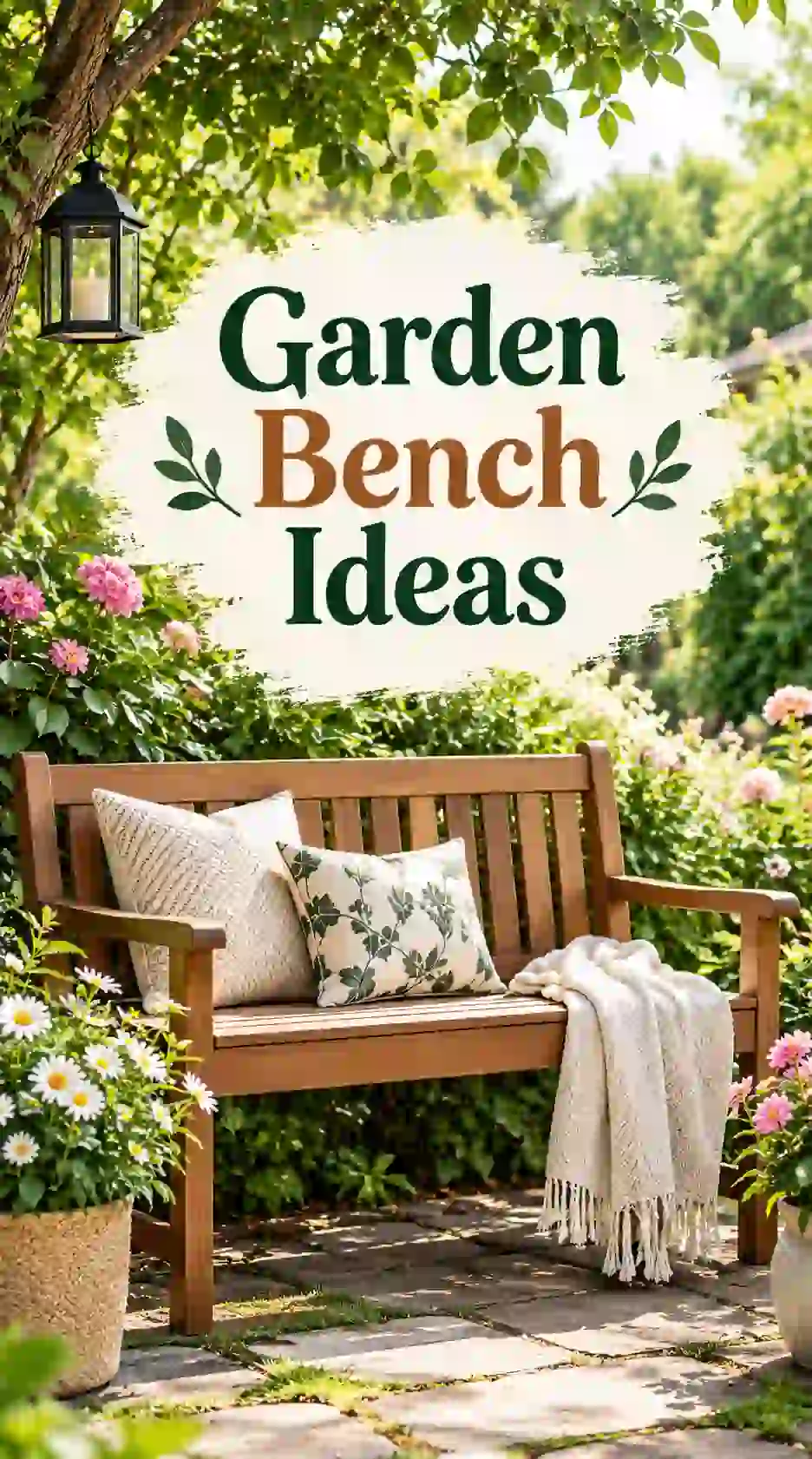
There is a particular moment in almost every garden project where a client stops walking around pointing at plants and instead just stands still in one spot. They look at a corner of the yard, maybe near a flower bed or under a tree, and say something like, I could just sit right here forever. That is usually the exact moment I bring up adding a garden bench, because that instinct to pause and stay a while is precisely what a good bench is meant to serve.
Garden bench ideas get overlooked constantly in the broader scheme of landscaping. People spend enormous amounts of time and money on plants, pathways, and lighting, and then almost as an afterthought they grab whichever bench happens to be on sale at the garden center. I understand the impulse, but a thoughtfully chosen garden bench genuinely changes how a yard feels to actually use, not just look at from a window.
This guide pulls together everything I have learned from planning and placing garden benches in real yards over the years, from a tiny single bench tucked into a flower bed to a full seating arrangement built around an outdoor gathering space. We will walk through materials, styles, placement, and the small details that separate a garden bench that genuinely gets used from one that just sits there looking pretty and slightly forgotten.
Let us get into it.
Also Read : Balcony Railing Design Ideas That Will Completely Transform Your Outdoor Space
Why a Garden Bench Changes the Way You Actually Use Your Yard
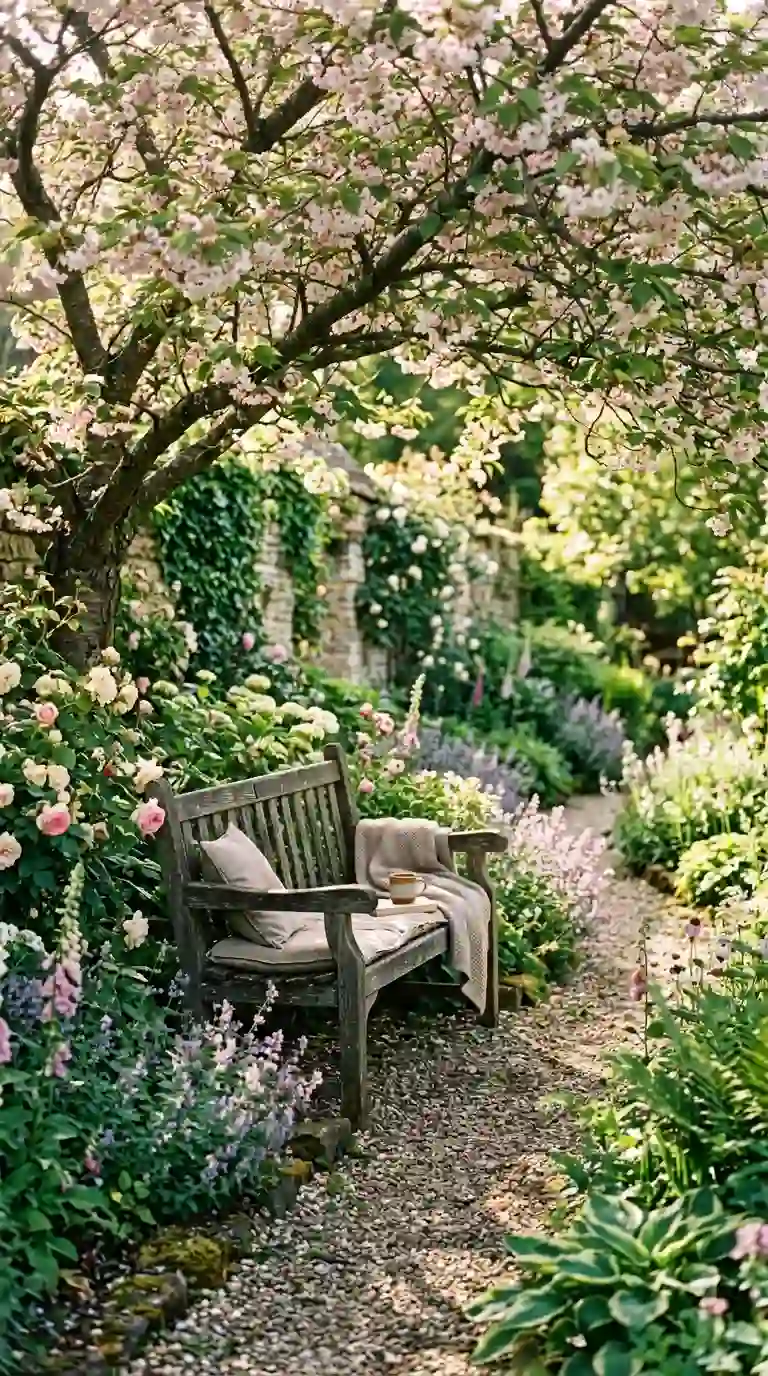
A garden without a single place to actually sit tends to become a space people only look at rather than genuinely inhabit. You walk through it, maybe you pull a few weeds, and then you go back inside. A garden bench changes that dynamic completely, giving a yard a genuine destination rather than just a backdrop.
I have watched clients transform their entire relationship with their own outdoor space simply by adding one well placed garden bench. Suddenly they are drinking their morning coffee outside instead of at the kitchen table. Suddenly a quiet five minutes between errands turns into sitting under a tree listening to birds instead of scrolling a phone indoors. That shift in behavior is genuinely the whole point of adding a garden bench in the first place.
There is also something quietly important about having a defined place to pause within a garden. A bench gives a specific purpose to a specific spot, whether that means a quiet reading corner tucked behind a hedge or a more social seating area near a patio. Without that anchor, even a beautifully planted garden can feel like it lacks a genuine sense of destination.
Good garden bench ideas also serve a real design function beyond comfort. A bench placed thoughtfully draws the eye toward a specific view, frames a particular plant or flower bed, and gives an otherwise sprawling garden layout a sense of structure and intention that plants alone cannot always provide.
Choosing the Right Material for Your Garden Bench
Material selection is probably the single most important decision within any collection of garden bench ideas, since it determines not just the look of the piece but how well it will actually hold up to years of weather, sun, and regular use.
Wood remains the most classic and consistently popular choice for a garden bench, offering genuine warmth and a natural quality that suits nearly every style of outdoor space. Teak and cedar in particular are prized for their natural resistance to rot and insects, making them a genuinely smart investment for a piece meant to stay outdoors year round.
Weathered or reclaimed wood brings real character to a garden bench, and a lot of homeowners specifically seek out pieces with some existing patina rather than something brand new and uniformly finished. That slightly worn, textured look tends to settle into a garden far more naturally than something that looks freshly unboxed.
Metal garden benches, particularly cast iron or wrought iron designs, offer genuine durability and a timeless, slightly romantic quality that suits more traditional or cottage style gardens especially well. These pieces can get quite warm or cold to the touch depending on climate, so a cushion is often a practical addition alongside the aesthetic one.
Stone benches bring an almost architectural permanence to a garden, and while they require more effort to install given their weight, a stone garden bench genuinely becomes a fixture of the landscape in a way that lighter materials never quite achieve.
Concrete and composite materials have become increasingly popular for a garden bench specifically because of how little maintenance they require. These options resist weathering remarkably well and increasingly come in finishes that convincingly mimic the look of natural wood or stone.
Garden Bench Ideas for Classic and Cottage Style Gardens
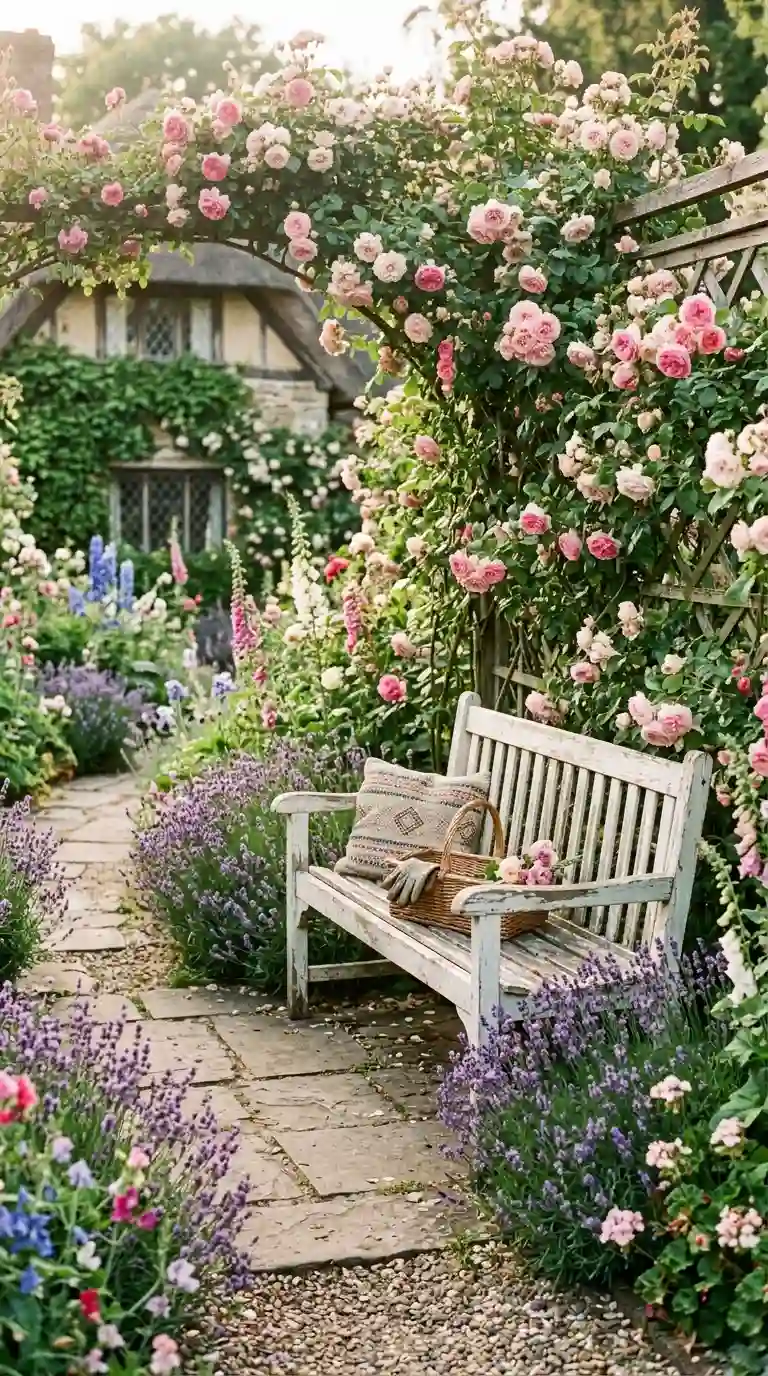
Cottage style gardens call for a particular kind of garden bench, one that feels a little romantic, a little nostalgic, and genuinely at home among looser, more billowing plantings.
A classic white painted wood garden bench remains one of the most enduringly popular choices for this particular style, and surrounding it with climbing roses, lavender, or other soft, fragrant plants creates the kind of scene that feels like it belongs on a postcard without requiring an enormous landscaping budget to achieve.
Curved or slightly ornate silhouettes, including a traditional slatted back design or a gently arched top rail, reinforce the romantic character central to cottage garden styling, distinguishing this particular garden bench from the cleaner, more geometric lines found in modern outdoor furniture.
Letting the surrounding planting feel full and slightly untamed, rather than perfectly manicured, actually enhances a cottage style garden bench rather than detracting from it. A simple bench in a deep, grounding tone works beautifully as an anchor point against looser, more free flowing plant growth all around it.
Positioning your garden bench along a winding path, rather than in a perfectly straight sightline, suits the relaxed, slightly wandering feeling that defines cottage garden design, inviting someone to follow the path and discover the seating spot rather than seeing it immediately from every angle.
Adding a small arbor or arch directly behind or above a cottage style garden bench, often trained with a climbing vine or rose, creates a genuinely enchanting framed moment that elevates a simple bench into the true focal point of an entire garden bed.
Must Read : 45 Beautiful Outdoor Plants For Patio Spaces That Instantly Feel Like A Garden Escape
Modern and Minimalist Garden Bench Ideas
Not every garden calls for the softer, more romantic approach covered above, and a modern garden bench offers a genuinely different, more restrained aesthetic for homeowners with a cleaner, contemporary landscape design.
Clean, simple lines without excessive ornamentation define a modern garden bench, often constructed from a single material like teak or powder coated steel, avoiding the decorative detailing found in more traditional designs.
A restrained, neutral color palette, including natural wood tones, charcoal, or a matte black finish, suits the overall simplicity that a modern garden bench is meant to convey, letting the surrounding architecture and planting carry most of the visual interest instead.
Scandinavian influenced design has become genuinely popular within this particular category of garden bench ideas, favoring light, natural wood tones and a slightly lower profile silhouette that feels understated rather than attention seeking within a minimalist landscape.
Geometric, almost sculptural garden bench designs, sometimes built from a single continuous slab of material rather than a traditional slatted construction, bring a genuinely architectural quality to a modern outdoor space, functioning almost like a piece of art as much as a functional seat.
Pairing a modern garden bench with gravel or stone surfacing, rather than a traditional lawn setting, reinforces the clean, contemporary aesthetic this particular style is going for, and this combination has become a favorite among designers working on more architecturally driven outdoor spaces.
Rustic Garden Bench Ideas for a Natural, Weathered Look

A rustic garden bench embraces imperfection and natural texture in a way that feels genuinely at home within a wilder, more organic landscape setting.
Reclaimed or weathered wood, sometimes incorporating visible knots, cracks, or an uneven surface, defines the rustic approach to garden bench design, celebrating the natural character of the material rather than sanding and finishing it into uniform perfection.
A simple log bench, crafted from a single large piece of timber cut lengthwise and fitted with basic legs, offers one of the most genuinely rustic garden bench options available, and this particular style works beautifully tucked into a wooded or heavily shaded corner of a yard.
Positioning a rustic garden bench near natural features already present in your landscape, like an established tree, a cluster of ferns, or a patch of moss, allows the bench to feel like it genuinely belongs within that specific spot rather than looking like a furniture piece dropped into an unrelated setting.
Textured materials throughout the surrounding area, including loose stone, bark mulch, or a scattering of fallen leaves left intentionally rather than cleared away, reinforce the organic, slightly untamed quality that makes a rustic garden bench feel genuinely connected to its environment.
Weathering is not something to fight against within this particular style. A rustic garden bench that develops a bit of gray patina or soft moss growth over time actually enhances rather than diminishes its overall character, which is part of what makes this approach so genuinely low maintenance compared to a painted or heavily finished alternative.
Bold and Colorful Garden Bench Ideas as a Statement Piece
Not every garden bench needs to blend quietly into its surroundings. A bold, colorfully painted bench can genuinely transform into the true focal point of an entire garden, drawing the eye immediately and adding a dose of personality that a more neutral piece simply cannot provide.
Saturated colors like red, mustard yellow, or deep cobalt blue create genuine visual drama when used on a garden bench, particularly effective against a predominantly green backdrop of lawn and foliage where the contrast makes the piece practically impossible to miss.
Choosing a single bold color for your garden bench, rather than multiple competing bright tones, tends to read as more intentional and sophisticated, letting the color itself do the visual work rather than overwhelming the eye with too much happening at once.
A brightly colored garden bench works particularly well as an anchor at the end of a pathway or within an otherwise fairly simple, understated planting scheme, since the bench itself becomes the genuine star of that particular view rather than competing against equally elaborate surrounding elements.
Weatherproof exterior paint specifically designed for outdoor furniture matters enormously here, since a bold color choice loses much of its impact quickly if it begins fading or chipping within just a season or two of sun and rain exposure.
Repainting an existing, more neutral garden bench offers a genuinely affordable way to experiment with this bolder approach without committing to purchasing an entirely new piece, and this particular project is easily achievable over a single weekend for most homeowners.
Must Read : 47 Patio Wall Decor Ideas That Will Instantly Transform Your Boring Backyard Into a Stunning Outdoor Retreat
Garden Bench Ideas for Small Spaces and Tight Corners
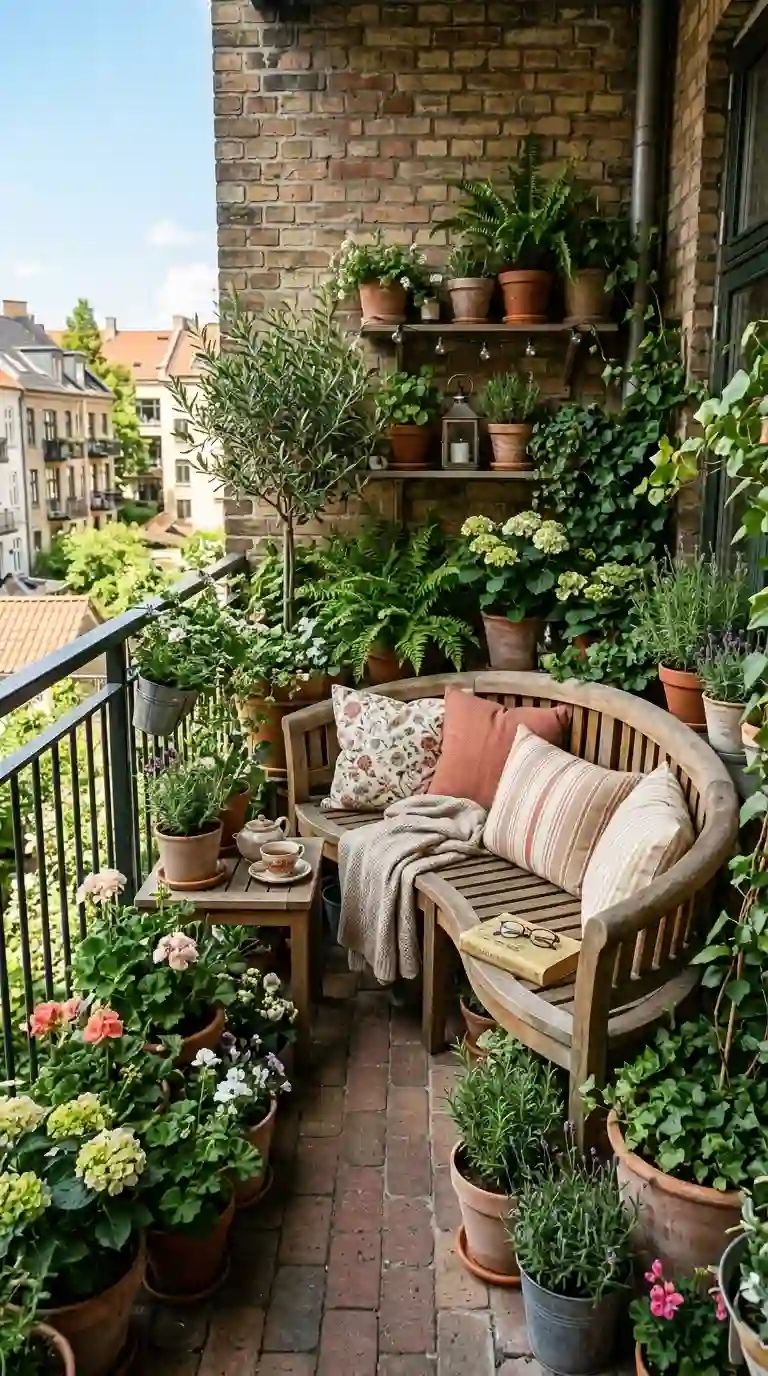
Not every yard has room for a large, sprawling bench, and garden bench ideas scaled appropriately for a smaller space genuinely matter for anyone working with a compact patio, balcony, or narrow garden bed.
A narrow, backless bench, sometimes closer in form to a simple garden stool or a slim bench style seat, fits into tighter spaces far more comfortably than a traditional full sized piece with arms and a tall back.
Curved benches designed specifically to fit into a corner make genuinely efficient use of otherwise awkward, underused space, turning a tight angle that might otherwise go entirely empty into a functional seating spot.
Foldable or collapsible garden bench options offer real flexibility for a smaller space that serves multiple purposes throughout the week, allowing you to set up seating for a gathering and then fold the piece away again once it is no longer needed.
Choosing a lighter, more visually open design, like a bench with a slatted rather than solid seat and back, helps a smaller garden or patio feel less visually crowded compared to a heavier, more substantial piece that might otherwise dominate a limited footprint.
Surrounding a compact garden bench with potted plants rather than in ground planting beds offers genuine flexibility in a small space, letting you rearrange your greenery around the bench itself depending on the season or your evolving taste.
Garden Bench Ideas With Built In Storage
A garden bench that also offers hidden storage underneath the seat has become an increasingly popular, genuinely practical choice for homeowners wanting to maximize function from every single piece of outdoor furniture they invest in.
Storage benches typically feature a hinged lid seat that lifts to reveal a weatherproof compartment beneath, offering a convenient spot to store cushions, gardening tools, or outdoor games without needing a separate shed or storage bin taking up additional space.
This particular style of garden bench works especially well for smaller yards or patios where every square foot genuinely needs to serve more than one purpose, combining seating and storage into a single, space efficient piece of furniture.
Weatherproofing matters significantly more for a storage garden bench compared to a standard design, since the internal compartment needs genuine protection from moisture to keep whatever is stored inside from developing mold or mildew over time.
Choosing a storage garden bench with a sturdy, well supported lid mechanism prevents the frustrating experience of a heavy lid that is difficult to lift or that does not stay open securely while you are retrieving or storing items underneath.
This hybrid approach to garden bench design has genuinely grown in popularity alongside a broader trend toward multi functional outdoor furniture, reflecting how many homeowners are trying to get more genuine utility out of a smaller overall outdoor footprint.
Strategic Placement Ideas for Your Garden Bench
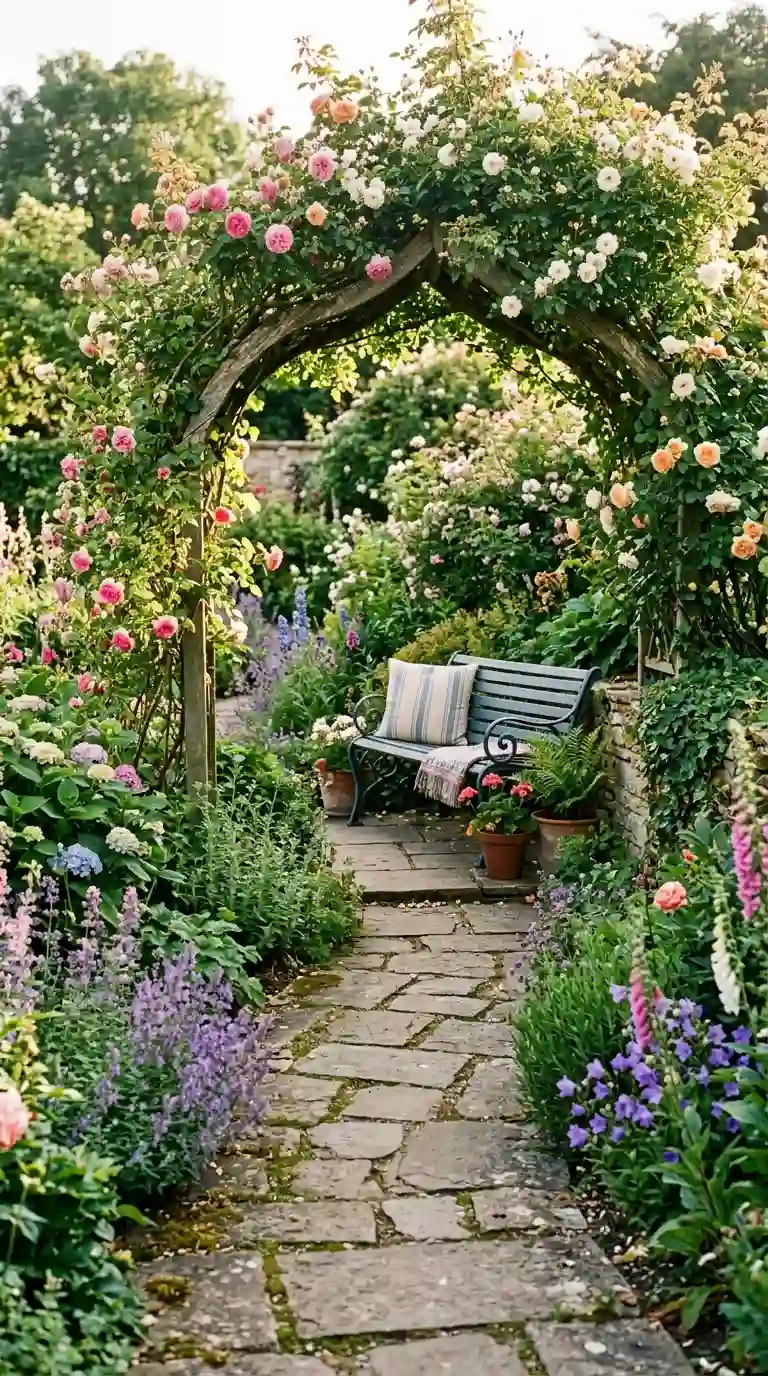
Where you actually position a garden bench matters just as much as which specific style or material you choose, and thoughtful placement genuinely separates a bench that feels like an intentional design feature from one that looks randomly dropped into the yard.
Positioning a garden bench where something naturally draws the eye, whether that means a flowering tree, a water feature, or simply a particularly lovely view of the surrounding landscape, gives the piece genuine purpose beyond just offering a place to sit.
Placing a bench along an established pathway, rather than isolated in an unrelated corner of the yard, creates a natural sense of destination, inviting someone walking through the garden to actually pause and settle in rather than simply passing by.
Architectural framing, using an arch, a trellis, a pair of hedges, or even a simple garden gate positioned around or behind a garden bench, creates genuine visual definition and turns the seating spot into a clear, intentional focal point rather than an afterthought.
Considering sun and shade patterns throughout the day matters enormously for actual usability. A garden bench positioned in full, unshaded sun might look lovely in photos but genuinely goes unused during the hottest parts of a summer afternoon, while a spot with some dappled shade tends to get used far more consistently.
Arranging a pair of benches facing each other, rather than a single isolated piece, encourages genuine social gathering and conversation, making this particular placement strategy especially effective for a garden meant to host guests or family gatherings rather than purely solo quiet time.
Also Read : 60 Breathtaking Vertical Garden Ideas That Will Instantly Transform Your Small Space
Garden Bench Ideas for Pathways and Garden Entrances
A garden bench positioned near an entrance or along a key pathway serves a slightly different purpose compared to one tucked away in a quiet corner, often functioning as a welcoming gesture as much as a practical seat.
A bench placed just inside a garden gate or entrance creates an immediate sense of invitation, giving visitors a clear signal that this particular space is meant to be lingered in rather than simply walked through on the way to somewhere else.
Symmetrical placement, using a matching pair of benches on either side of a pathway or entrance, reinforces a sense of formality and intentional design, particularly well suited to a more classic or structured garden layout.
A single garden bench positioned at a natural turning point along a winding path, where the direction of the walkway shifts or a new section of garden comes into view, rewards the person walking through with a genuine moment to pause and take in the surrounding scenery.
Lighting around a pathway garden bench, whether through simple solar lanterns or more elaborate low voltage landscape lighting, extends the usability of this particular seating spot into the evening hours, which matters significantly for anyone who genuinely wants to enjoy their garden after the sun goes down.
Choosing Cushions and Textiles for Garden Bench Comfort
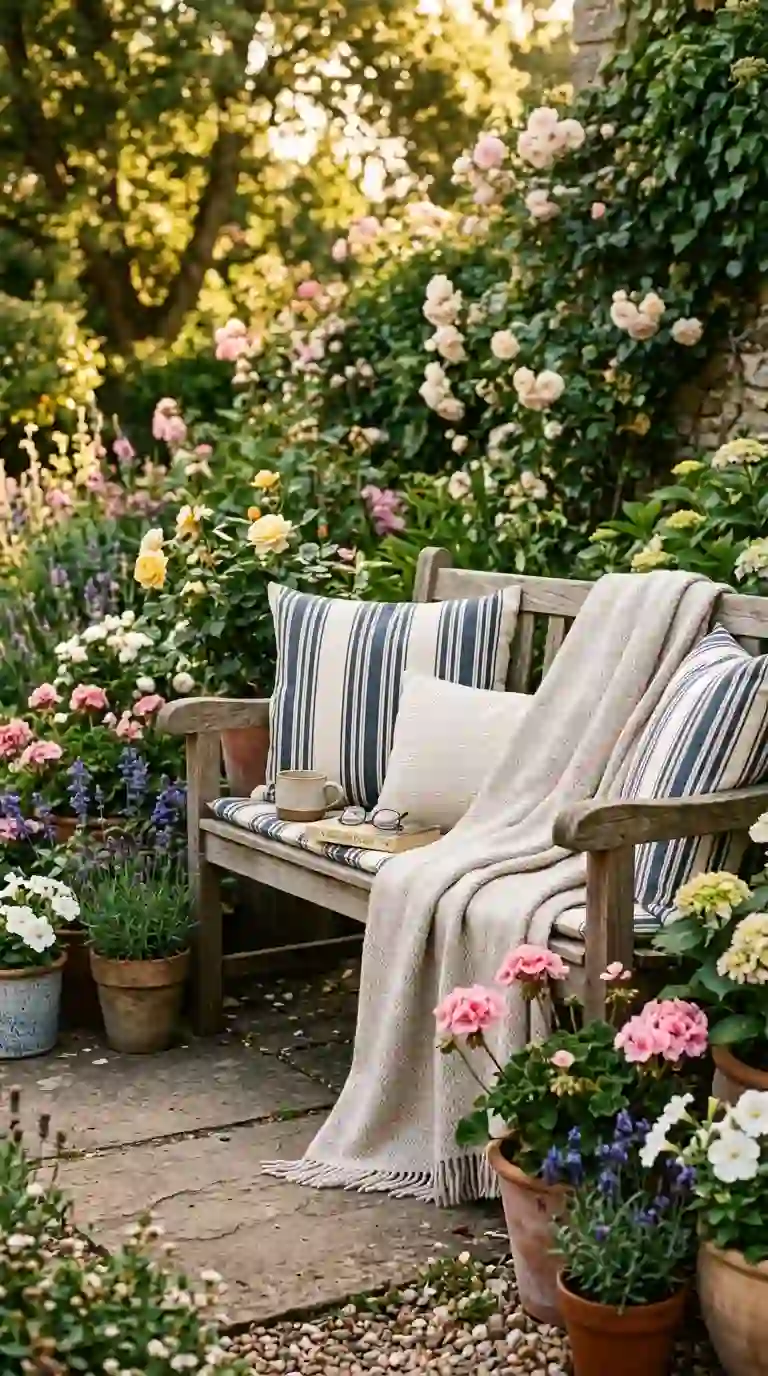
Even the most beautifully designed garden bench benefits enormously from the right cushions and textiles, both for genuine comfort and for adding another layer of personality and color to the overall look.
Weather resistant outdoor fabric, specifically engineered to withstand sun exposure, occasional rain, and general humidity, remains essential for any cushion or textile accessory added to a garden bench, since regular indoor fabric will deteriorate quickly once exposed to real outdoor conditions.
Striped or patterned cushions bring genuine visual interest and a touch of personality to an otherwise simple garden bench, and this particular styling choice works especially well for a more classic or cottage inspired outdoor space.
Solid, neutral toned cushions suit a more modern or minimalist garden bench particularly well, allowing the clean lines of the bench itself to remain the visual focus rather than competing against a busier pattern.
A soft throw blanket, draped casually across one end of a garden bench, adds a genuinely cozy, lived in quality, particularly appealing during cooler months when a bit of extra warmth makes outdoor seating significantly more inviting and comfortable to actually use.
Storing cushions indoors or in a weatherproof storage bench, as covered earlier, when not in active use genuinely extends their lifespan significantly compared to leaving them exposed to the elements around the clock throughout an entire season.
Garden Bench Ideas for Hidden and Secret Garden Retreats
There is a particular kind of magic that comes from discovering a garden bench tucked away somewhere unexpected, rather than seeing it immediately upon entering a yard, and this hidden retreat approach has become a genuinely beloved garden bench idea among homeowners wanting their outdoor space to feel a bit more like a journey of discovery.
Tucking a garden bench behind a hedge, a cluster of tall plants, or around a corner that is not immediately visible from the main entrance of a garden creates a genuinely intimate, almost secret feeling that a more exposed, front and center placement simply cannot replicate.
Surrounding a hidden garden bench with fuller, slightly more enclosing plantings, rather than keeping the surrounding area open and visible, reinforces that sense of a private retreat, making the eventual discovery of the seat feel genuinely rewarding.
This particular approach to garden bench placement works beautifully for anyone who specifically wants a quiet spot for reading, journaling, or simply sitting alone with their thoughts, away from the more visible, social areas of a larger garden or backyard.
A narrower, more discreet pathway leading toward a hidden garden bench, rather than a wide, obvious walkway, enhances the sense of discovery and intimacy central to this particular style, encouraging a slower, more deliberate approach toward the seating area itself.
DIY Garden Bench Ideas for Budget Conscious Projects

You genuinely do not need to spend a significant amount of money to add a garden bench to your outdoor space, and some of the most charming examples I have encountered came from resourceful, budget friendly DIY projects rather than an expensive store purchase.
Repurposed wooden pallets offer one of the most popular and genuinely affordable materials for a DIY garden bench project, requiring only basic tools and a bit of sanding and painting to transform discarded shipping material into a functional, attractive piece of outdoor furniture.
Cinder blocks paired with simple wood planks create a surprisingly sturdy and genuinely easy to assemble garden bench, and this particular approach requires no specialized woodworking skill, just careful stacking and measuring to ensure the final piece sits level and secure.
Repurposing an old door or a salvaged piece of furniture, with a bit of creative modification, can produce a genuinely unique and personal garden bench unlike anything you could purchase off the shelf, bringing real character and a bit of history into your outdoor space.
A simple two person bench built from basic dimensional lumber, following any of the countless beginner friendly tutorials widely available online, remains one of the most accessible DIY garden bench projects for anyone with even modest woodworking confidence and a weekend of free time.
Painting or staining your finished DIY garden bench in a color that complements your existing garden palette ties the whole project together, turning a budget friendly build into something that looks genuinely intentional rather than obviously homemade.
Also Read : 45 Breathtaking Interior Decor Plants That Instantly Transform Any Room Into A Living Sanctuary
Maintaining Your Garden Bench Over Time
Once you have chosen and placed your garden bench, a bit of ongoing care keeps it looking its best and genuinely extends its lifespan for years beyond what neglect would otherwise allow.
Clean your garden bench periodically, removing dirt, pollen, and any accumulated grime using a gentle brush and mild soap and water, since a buildup of debris can gradually degrade certain finishes and materials over time if left unaddressed.
Reapply sealant or protective finish to a wood garden bench on a regular schedule, typically every year or two depending on your specific climate and how much direct sun and rain exposure the piece receives throughout the seasons.
Check metal garden bench pieces periodically for any signs of rust developing, addressing small spots early with a bit of sanding and touch up paint before the corrosion has a chance to spread and genuinely compromise the structural integrity of the piece.
Bring cushions and any removable textiles indoors during particularly harsh weather, or store them in a weatherproof bench compartment if your particular design includes one, to extend their usable lifespan well beyond what constant outdoor exposure would otherwise allow.
Inspect the overall structural stability of your garden bench periodically, particularly checking joints, bolts, or connection points for any looseness that might develop over time from regular use and seasonal temperature changes affecting the material.
How I Approach Choosing a Real Garden Bench for a Client’s Yard
Every garden bench project I take on starts with a genuine conversation about how the person actually plans to use the space, rather than jumping straight into style preferences or material choices without that context first.
I remember working with a client who wanted a garden bench primarily as a quiet spot to have her morning coffee before the rest of her household woke up. We ended up tucking a simple wooden bench into a slightly hidden corner near her kitchen window, surrounded by fragrant herbs and a small climbing jasmine vine. It was not the most dramatic or photogenic bench in her entire yard, but it became the single most used piece of outdoor furniture she owned, precisely because we matched the placement and style to her actual daily routine.
I have also worked with a family who wanted their garden bench to serve as a genuine gathering spot for extended family dinners outdoors. In that case, we chose a much larger, more substantial piece, paired with a second matching bench facing it, positioned near their patio rather than tucked away in a quieter corner. That setup genuinely gets used every single week during warmer months, precisely because it was designed around how that specific family actually spends time together outdoors.
What I have learned across these very different projects is that the most successful garden bench ideas rarely come from simply picking whatever looks nicest in a catalog photo. They come from genuinely understanding how a person wants to use their outdoor space, then choosing a style, material, and placement that supports that specific intention rather than working against it.
Common Mistakes That Undermine Good Garden Bench Ideas

After helping plan so many of these projects, certain mistakes come up repeatedly, quietly undermining otherwise promising garden bench ideas.
Choosing a material that does not suit your specific climate leads to premature deterioration, particularly untreated wood in consistently wet climates or dark metal in regions with intense, prolonged sun exposure that can make the surface uncomfortably hot to actually sit on.
Placing a garden bench in a spot with no real view, shade, or sense of destination often results in a piece that looks fine from a distance but genuinely never gets used, since there is simply no compelling reason for anyone to actually walk over and sit down there.
Ignoring scale relative to the surrounding space can make a garden bench either feel lost and insignificant in a large yard or uncomfortably cramped and overwhelming within a smaller garden bed or patio area.
Skipping proper ground preparation before placing a heavier bench, particularly stone or substantial wood designs, can lead to the piece gradually sinking or becoming unlevel over time, particularly in yards with softer or poorly draining soil.
Neglecting ongoing maintenance, as covered in the previous section, allows even a genuinely beautiful garden bench to slowly deteriorate and lose much of its original charm far sooner than necessary.
Related Post: 50 Brilliant Small Garden Ideas That Will Transform Your Tiny Outdoor Space
Pairing Your Garden Bench With the Right Surrounding Plants
The plants you choose to surround a garden bench genuinely shape the entire experience of sitting there, whether that means fragrance, privacy, seasonal color, or simply a sense of being gently enclosed rather than exposed.
Fragrant plants like lavender, jasmine, or rosemary positioned near a garden bench add a genuinely sensory dimension to the experience of sitting there, releasing scent as someone brushes past or simply as the plant warms gently in the sun.
Taller plants or a simple trellis positioned behind a garden bench create a sense of gentle enclosure and privacy, making the seating spot feel more like a genuine retreat rather than an exposed perch in the middle of an open lawn.
Seasonal flowering plants surrounding a bench ensure the immediate view from that specific seat changes and evolves throughout the year, giving you a genuine reason to return to the same spot across different months rather than experiencing the same static view every single time.
Low growing ground cover directly around the base of a garden bench softens the transition between the hard material of the bench itself and the surrounding lawn or garden bed, creating a more cohesive, intentional looking overall arrangement.
Avoiding overly thorny or high maintenance plants directly adjacent to a garden bench matters for genuine practicality, since you want the immediate surrounding area to feel inviting and comfortable to brush past rather than something you need to carefully avoid every time you sit down.
FAQ About Garden Bench Ideas
What is the best material for an outdoor garden bench?
Teak and cedar remain among the most popular choices thanks to their natural resistance to rot and insects, while metal, stone, and composite materials each offer different tradeoffs in durability, maintenance, and overall aesthetic.
Where should I place a garden bench in my yard?
A garden bench works best positioned where something naturally draws the eye, such as a flowering tree or a nice view, and ideally along an established pathway rather than isolated in an unrelated corner of the yard.
How do I choose a garden bench for a small space?
Narrow, backless designs, curved corner benches, and foldable options all work well for smaller patios or garden beds, since they fit comfortably into tighter spaces without overwhelming the available footprint.
Can a garden bench have storage?
Yes, storage benches with a hinged seat lid have become increasingly popular, offering a convenient weatherproof compartment for cushions, tools, or outdoor games underneath the actual seating surface.
How do I maintain a wooden garden bench?
Regular cleaning, periodic reapplication of sealant or protective finish, and bringing cushions indoors during harsh weather all help extend the lifespan of a wooden garden bench significantly.
What is a good budget friendly garden bench idea?
Repurposed wooden pallets, cinder blocks paired with wood planks, or a simple DIY build using basic dimensional lumber are all genuinely affordable ways to add a garden bench without a significant financial investment.
Should a garden bench be in sun or shade?
A spot with some dappled shade tends to get used far more consistently than one in full, unshaded sun, since harsh midday sun often makes a bench uncomfortable to actually sit on during the warmest parts of the day.
What style of garden bench suits a cottage garden?
A classic white painted wood bench with a slatted or gently curved back, surrounded by roses, lavender, or other soft, fragrant plantings, suits the romantic, slightly untamed character of cottage garden design beautifully.
What is the best garden bench for a modern landscape?
A clean lined bench made from a single material like teak or powder coated steel, in a restrained neutral color, suits a modern or minimalist garden far better than a more ornate or decorative traditional design.
Can I paint my garden bench a bold color?
Yes, a boldly painted garden bench in a saturated color like red or cobalt blue can become a genuine focal point within a garden, particularly effective when used as a single statement color against a green backdrope
Final Thoughts on Garden Bench Ideas
A garden bench might seem like a small addition in the grand scheme of an entire landscape, and yet it genuinely has the power to change how a yard gets used day to day. The right bench, placed thoughtfully and chosen to match both your personal style and your actual habits, turns a garden from something you simply walk through into a genuine destination worth lingering in.
Whether you choose a classic white painted cottage style bench, a sleek modern design, a rustic weathered log seat, or a bold, boldly colored statement piece, the underlying goal behind every good garden bench idea stays the same. Create a spot that genuinely invites you to stop, sit, and actually enjoy the outdoor space you have worked so hard to build.
Take the time to consider placement, material, and surrounding plantings together rather than treating the bench itself as an isolated purchase. Do that, and there is a very good chance your garden bench becomes the one spot in your entire yard you find yourself returning to, again and again, every single season.




3 Comments on “Garden Bench Ideas: The Ultimate Guide to Creating Your Perfect Outdoor Retreat”