
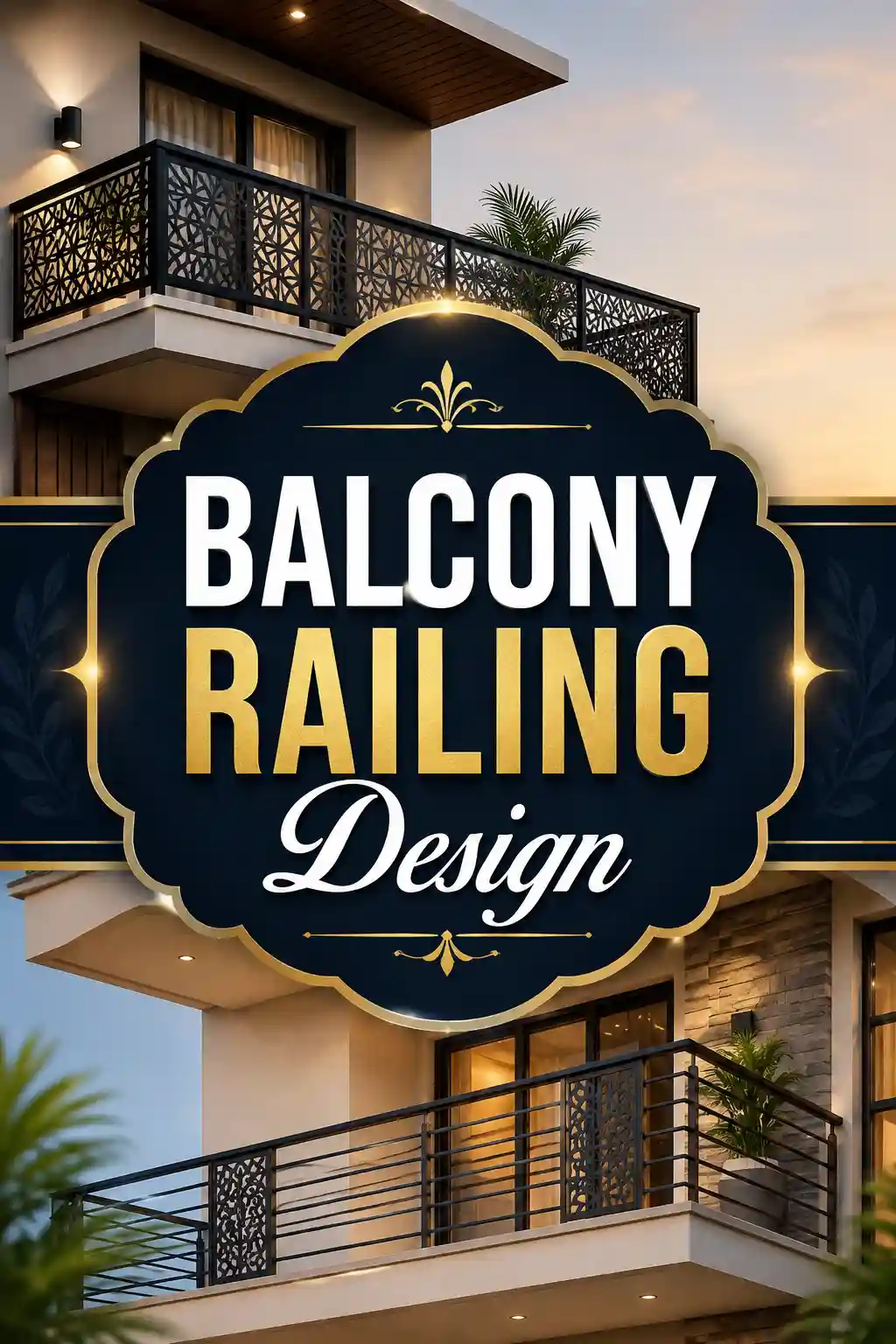
If you have ever stood on your balcony with your morning tea, looking out at the street or the garden below, you probably noticed the railing before you noticed anything else. It frames the whole view. It is the first thing a visitor sees when they look up at your building, and it is the last detail that ties your outdoor space together. That is why balcony railing design deserves far more attention than most homeowners give it.
I have spent years working with homeowners, contractors, and interior designers on exactly this problem. People spend weeks picking out tiles for their living room floor and then almost as an afterthought, they ask the contractor to just put up whatever railing is available at the local shop. It is one of the most common regrets I hear about later. A good balcony railing design does not just look nice in photos. It changes how safe you feel, how much light comes into your home, how private your space feels, and even how much your property is worth when you decide to sell it.
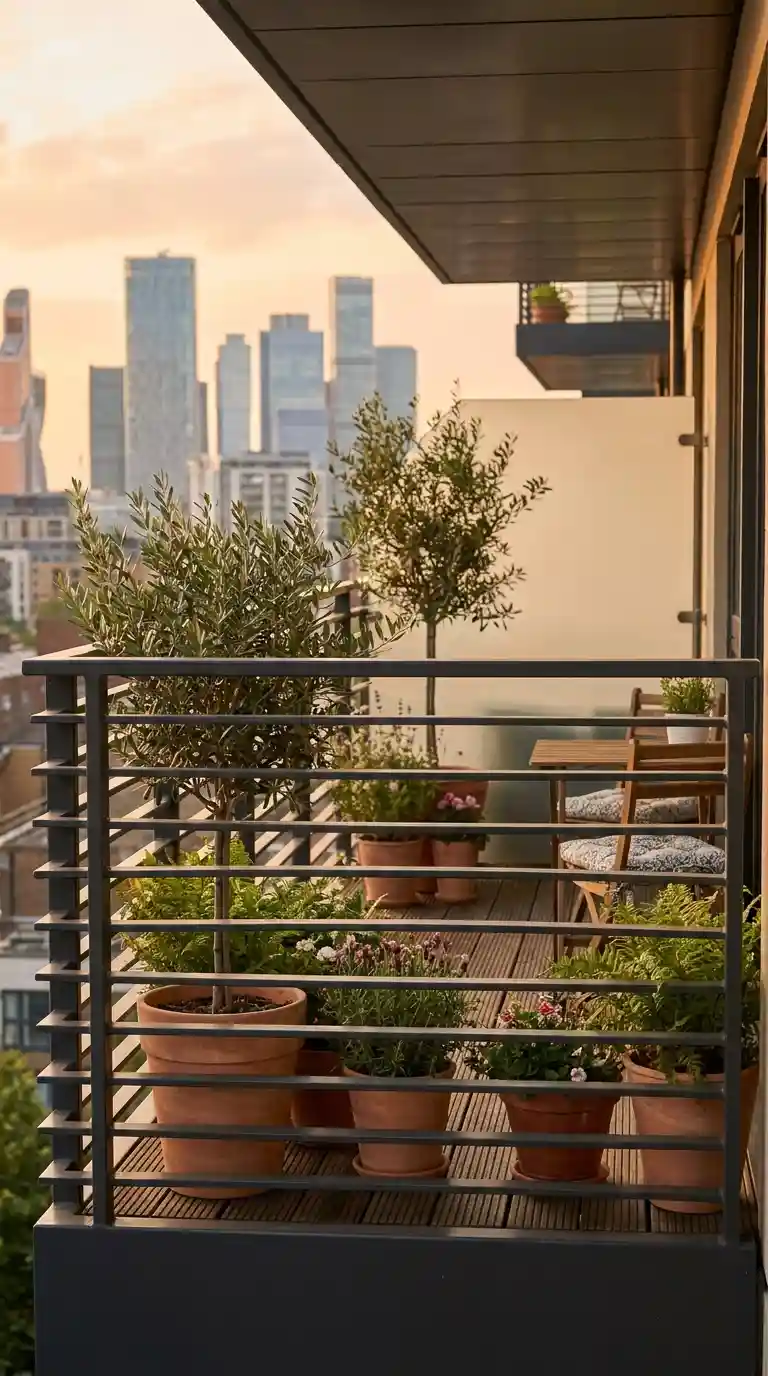
In this guide, I want to walk you through everything I know about balcony railing design, from the materials you can choose, to the styles that work best for different kinds of homes, to the small mistakes that quietly ruin an otherwise beautiful balcony. This is not a quick listicle. I am going to go deep, because railing design is one of those topics where the details really matter.
Related Post : French Balcony Magic: The Ultimate Guide To Elegant, Space Saving Charm For Every Home
Why Balcony Railing Design Matters More Than You Think
A balcony railing is not just a safety barrier. It is a design statement that sits right at the edge of your home, visible from the street, from your neighbors’ windows, and from every angle when you step outside. When people think about balcony railing design, they often think purely in terms of function, keeping people from falling. That is important, of course, but it is only half the story.
The other half is about how the railing interacts with light, air, and view. A heavy, solid railing blocks your view and makes a small balcony feel like a cage. A thin, open railing lets the breeze through and makes even a tiny space feel bigger than it is. This is why balcony railing design has become such a popular topic among architects and interior designers over the last decade. People are finally realizing that this one element can make or break the entire look of a home’s exterior.
I always tell my clients that balcony railing design should be decided early in the planning process, not left until the very end. When you choose your railing style first, you can plan your flooring, your lighting, and even your furniture around it. When you leave it until the last minute, you end up settling for whatever is convenient, and that rarely gives you the result you actually wanted.
Understanding Different Balcony Railing Design Materials
The material you pick is the single biggest factor in how your balcony railing design will look and perform over the years. Each material has its own personality, its own price point, and its own maintenance needs. Let me break down the most common options one by one.
Metal Balcony Railing Design
Metal is probably the most common choice I see, and for good reason. Iron, steel, and aluminum all offer strength without taking up too much visual space, which makes metal balcony railing design a favorite for apartments and modern homes alike.
Wrought iron railings have a classic, almost old world charm. They can be shaped into curls, scrolls, and intricate patterns that instantly give a balcony a sense of craftsmanship. I have installed wrought iron balcony railing design in colonial style homes where the client wanted something that felt timeless, and the effect is always striking.
Steel railings, on the other hand, tend to lean more modern. Powder coated steel in matte black or graphite gray has become extremely popular in the last few years because it pairs so well with glass panels, concrete facades, and minimalist architecture. If you want your balcony railing design to feel current and sharp, steel is usually the way to go.
Aluminum is the practical choice for people who live near the coast or in humid climates. It does not rust the way iron and untreated steel can, and it is lighter, which sometimes matters for structural reasons on upper floors. The downside is that aluminum can feel a little less substantial to the touch compared to steel, though most people never notice this once it is installed.
Wood Balcony Railing Design
Wood brings warmth that metal simply cannot replicate. A wood balcony railing design works beautifully in cottage style homes, farmhouses, and anywhere you want the outdoor space to feel cozy rather than sleek. Cedar and teak are popular because they resist rot naturally, while pine is a cheaper option that needs more regular sealing and staining.
The main thing to keep in mind with wood is upkeep. If you love the look but do not want to spend a weekend every year sanding and resealing your railing, composite wood alternatives have gotten remarkably good at mimicking real wood grain while requiring almost no maintenance.
Glass Balcony Railing Design
There is something about a glass balcony railing design that instantly makes a space feel more open and expensive looking. Glass panels, whether framed in metal or completely frameless, let you keep your entire view uninterrupted. This is especially popular in high rise apartments where the whole point of the balcony is to enjoy a skyline or ocean view.
Frameless glass railings use thick tempered glass held in place by small metal clips or a channel at the base, giving an almost invisible barrier effect. Framed versions use a slim metal border around each glass panel, which adds a bit more visual structure while still letting light pass through.
The tradeoff with glass is cleaning. Glass shows fingerprints, rain spots, and dust much more obviously than metal or wood. If you go this route, be ready to wipe it down every week or two to keep that clean, polished look.
Cable Balcony Railing Design
Cable railings use thin horizontal or vertical steel cables strung between posts instead of solid bars or glass panels. This style has exploded in popularity for modern and coastal homes because it offers almost zero visual obstruction while still meeting safety codes.
A cable balcony railing design is particularly good if you have a beautiful view you do not want to block, such as a mountain range, ocean, or forest. The downside is that cable railings usually cost more to install correctly because the cables need to be properly tensioned, and they can be trickier for a do it yourself project compared to standard baluster railings.
Composite Balcony Railing Design
Composite materials, usually a mix of wood fibers and recycled plastic, have become one of the smartest choices for people who want the appearance of wood without the maintenance headache. A composite balcony railing design can be molded into different textures and colors, and it holds up extremely well against sun, rain, and temperature swings.
I recommend composite to clients who love the rustic wood look but have told me flat out that they will never remember to reseal a railing every year. It is a practical middle ground between beauty and low maintenance.
Read Also : 60 Gorgeous Bedroom Wallpaper Ideas That Will Instantly Transform Your Sleep Space
Popular Balcony Railing Design Styles for Modern Homes
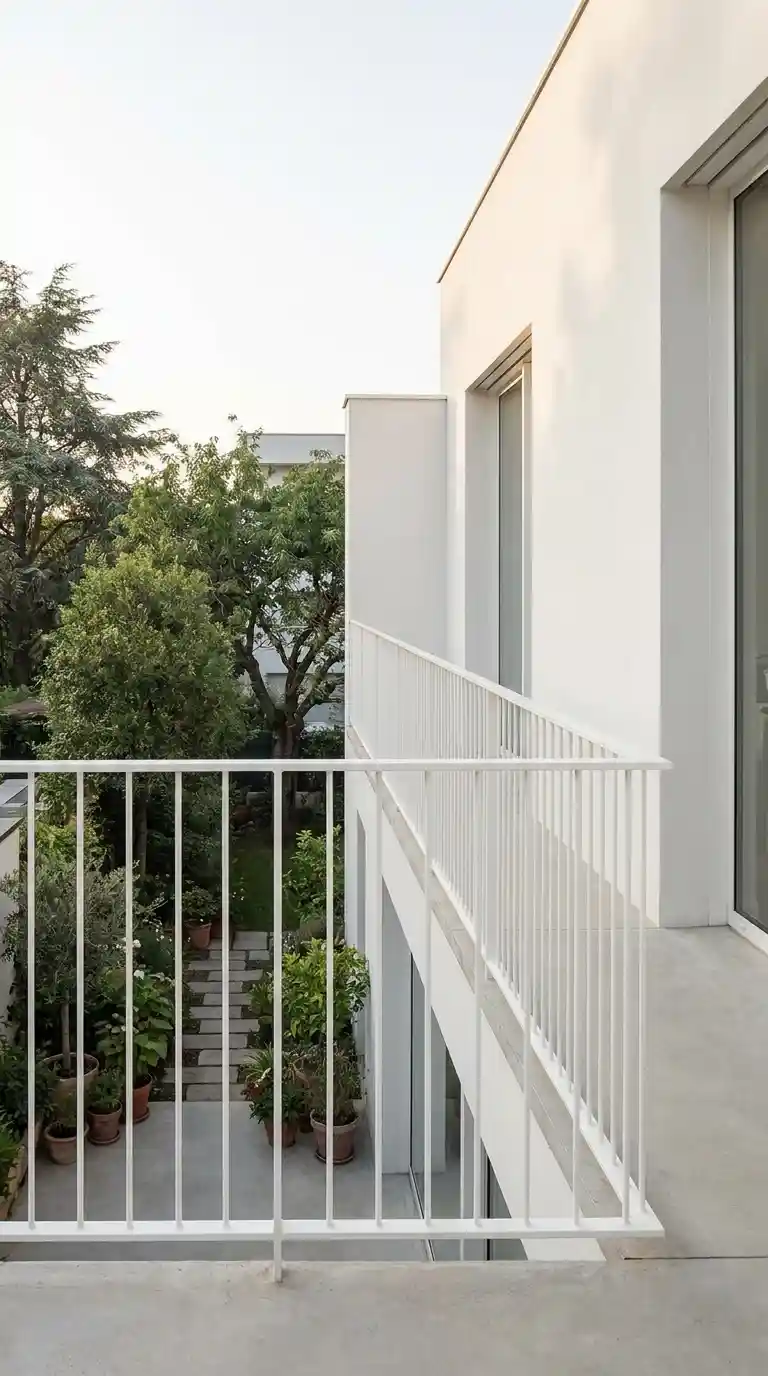
Once you have picked a material, the next decision is style. Balcony railing design styles tend to follow broader interior and architectural trends, so what feels fresh today might feel dated in ten years. That said, a few styles have proven themselves as lasting favorites.
Minimalist Balcony Railing Design
Minimalist balcony railing design is all about restraint. Thin, evenly spaced vertical bars, a simple horizontal top rail, and no unnecessary decoration. This style works incredibly well with modern architecture, especially homes with lots of white walls, large windows, and clean geometric shapes.
What I love about minimalist railings is how versatile they are. They do not compete with anything else in your outdoor space, which means you can layer in bold furniture, colorful planters, or statement lighting without the railing fighting for attention.
Traditional Balcony Railing Design
Traditional balcony railing design leans into ornamentation. Think wrought iron scrolls, decorative finials, and classic baluster shapes. This style suits older homes, Victorian architecture, and anyone who wants their balcony to feel like it belongs to a different era.
I find that traditional railings photograph beautifully, especially with climbing plants like jasmine or bougainvillea woven through the ironwork. There is a romantic quality to this style that minimalist design simply cannot achieve.
Industrial Balcony Railing Design
Industrial balcony railing design borrows from warehouse and factory aesthetics. Raw steel, exposed bolts, black pipe railings, and sometimes a slightly rough, unfinished texture. This style has become hugely popular in loft apartments and converted industrial buildings.
If your home already has exposed brick, concrete floors, or steel beams, an industrial balcony railing design will tie the whole look together instead of feeling like a mismatched addition.
Coastal Balcony Railing Design
Coastal balcony railing design usually favors cable railings or simple white painted wood, both of which let the ocean or garden view take center stage. Salt air is brutal on metal, so anyone designing a balcony near the coast needs to think carefully about corrosion resistant materials like marine grade stainless steel or aluminum.
Balcony Railing Design Ideas for Small Balconies
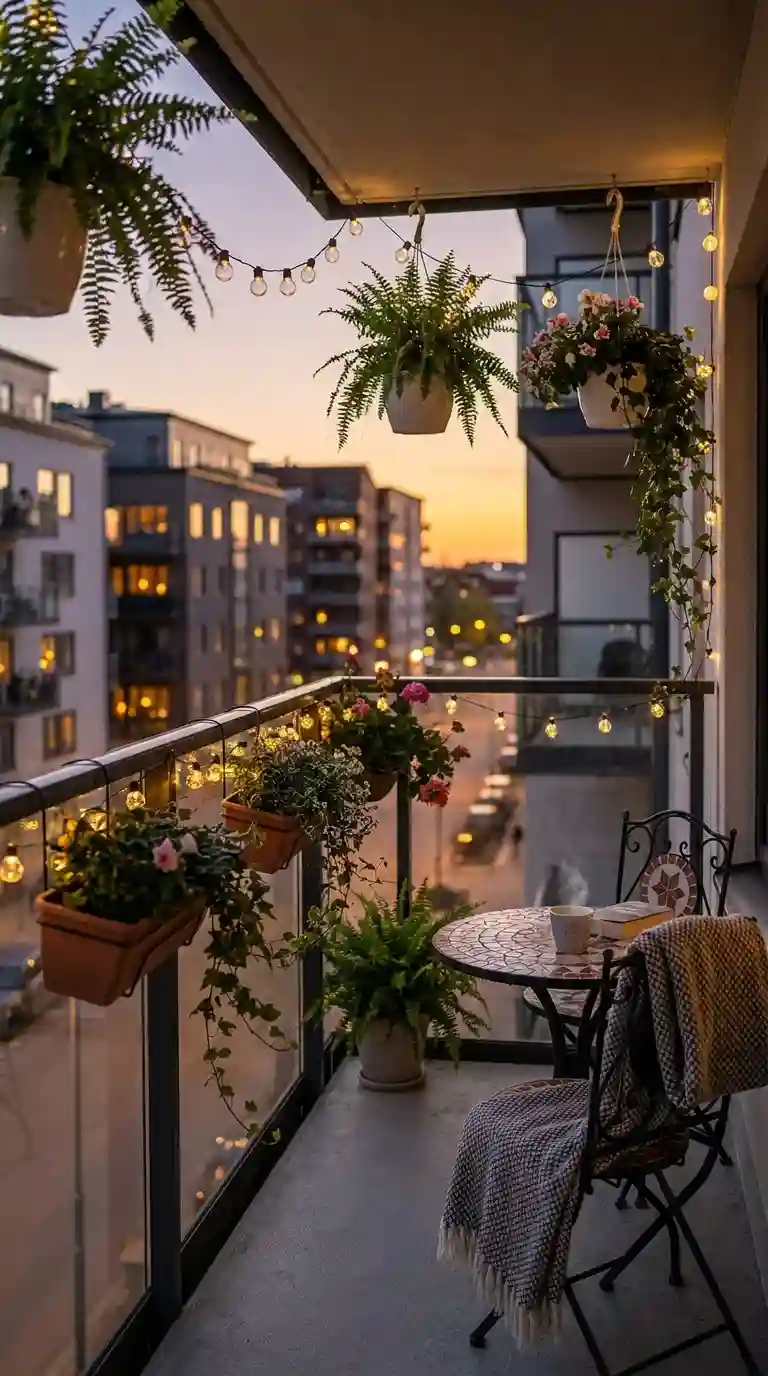
Small balconies present a unique challenge. Every inch of space and every visual detail matters more when the area is limited. I have worked on plenty of tiny apartment balconies, and the railing design choice almost always makes the biggest difference in how spacious the area feels.
The first rule I follow for small spaces is to avoid heavy, solid railings. A thick concrete or wood paneled railing will visually shrink your balcony and block airflow. Instead, go for open designs like thin metal bars, cable railings, or glass panels that let your eye travel past the edge of the balcony rather than stopping right at it.
Color also plays a bigger role than people expect. Light colored railings, especially white or soft gray, tend to recede visually and make the space feel airy. Dark railings can look stunning, but they work best when paired with plenty of natural light and a bright backdrop, otherwise they can make a small balcony feel closed in.
Another trick I often suggest is choosing a balcony railing design with a slim top rail that can double as a narrow shelf for small plant pots or a coffee cup. This adds function without adding bulk, which is exactly what small balconies need.
Balcony Railing Design for Apartments vs Independent Houses
There is a real difference between designing a railing for an apartment balcony and designing one for an independent house, and it goes beyond just square footage.
In apartments, you are often restricted by building regulations, homeowners association rules, or the original architecture of the building. Many apartment complexes require a uniform balcony railing design across all units for the sake of the building’s overall appearance. If you live in an apartment, always check with your building management before making changes, because even a beautiful upgrade can lead to fines or forced removal if it violates the building’s design guidelines.
Independent houses give you much more freedom. You can experiment with unusual materials, custom shapes, and even mix two different styles if you have multiple balconies facing different directions. I have had clients choose a completely different balcony railing design for their front facing balcony compared to the one at the back of the house, simply because the front needed to match the street facing facade while the back could be more relaxed and personal.
Safety Considerations in Balcony Railing Design
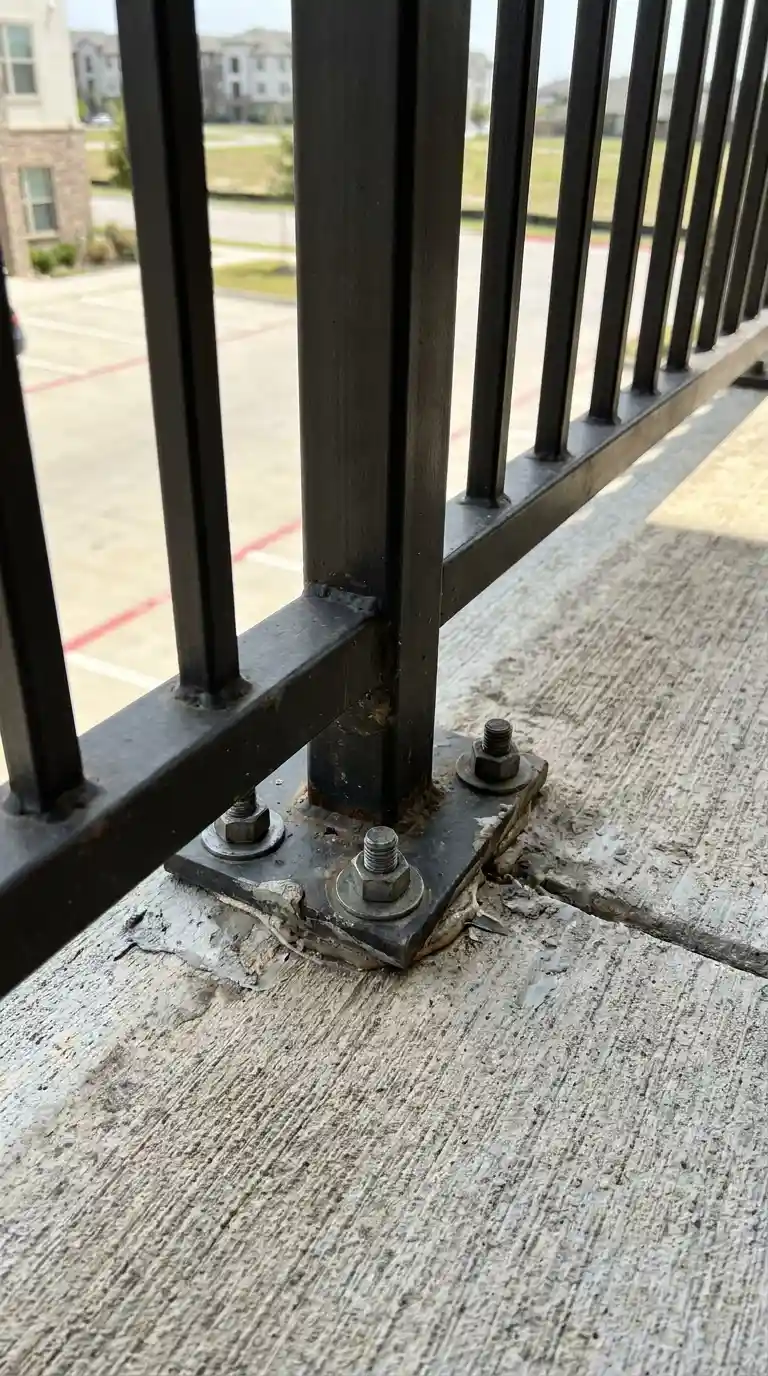
No matter how beautiful a railing looks, none of it matters if it is not actually safe. I cannot stress this enough because I have seen the aftermath of poorly built railings, and it is not something anyone wants to experience firsthand.
The most important safety factor in any balcony railing design is proper anchoring. The posts need to be securely fixed into the balcony floor or wall structure, not just attached to a thin ledge or decorative trim. If you are hiring a contractor, ask them directly how the posts will be anchored and what load testing they have done, if any.
Spacing between vertical bars is another critical detail, especially if you have young children or pets. A common standard many regions follow is that gaps should be no wider than four inches, which prevents a small child’s head from slipping through. Horizontal railings, while sometimes visually appealing, are generally discouraged in homes with kids because they essentially create a ladder that toddlers can climb.
Weather resistance also ties into safety over the long run. A railing that rusts through or rots at the base might look fine on the surface while being dangerously weak underneath. This is why regular inspection matters just as much as the initial installation quality.
Also Read : 47 Stunning White and Gold Bedroom Ideas That Turn an Ordinary Room Into a Luxury Retreat
Balcony Railing Design Height and Code Requirements
Most local building codes require a minimum railing height, and this is one area where you should never compromise for the sake of aesthetics. In many places, the standard minimum height for a residential balcony railing is around 36 inches, though this can vary depending on your region and the height of the building.
For higher floors, especially above the fourth or fifth story, some codes require taller railings, sometimes reaching 42 inches, because the consequences of a fall are more severe. I always recommend checking with your local building authority before finalizing your balcony railing design, because a beautiful railing that fails inspection will need to be redone anyway, costing you both time and money.
It is worth noting that height requirements typically apply to the full assembly, meaning if you add a decorative cap or a glass panel on top of a shorter metal base, the combined height still needs to meet code. Do not assume a stylish addition is exempt just because it looks like decoration rather than structural railing.
Color and Finish Choices in Balcony Railing Design
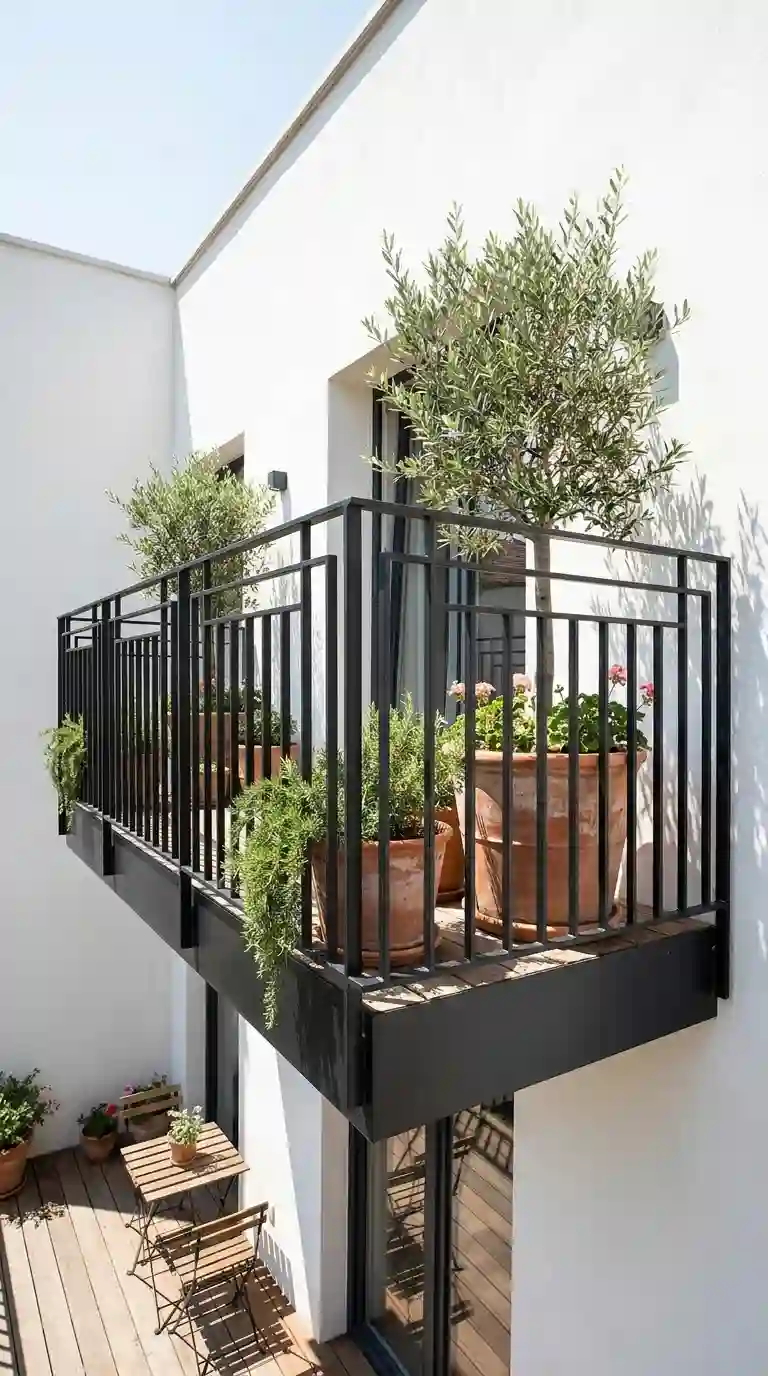
Color is one of those decisions that seems minor until you actually see the finished balcony, and then it becomes obvious how much of a difference it makes. Matte black has become the most requested finish I get asked about, and it works because it creates a crisp, defined outline against almost any wall color, from bright white to warm beige to deep charcoal.
White railings remain a timeless choice, particularly for Mediterranean and coastal style homes. They feel light, clean, and classic, though they do show dirt and rust stains more visibly over time if you choose an untreated metal.
Bronze and copper finishes bring warmth and a sense of luxury, often used in traditional or transitional style homes. These finishes develop a natural patina over the years, which some homeowners love for the character it adds, while others prefer to have it periodically resealed to maintain the original shiny look.
Beyond solid colors, the finish texture matters too. A matte finish tends to look more modern and understated, while a glossy finish can feel more formal and reflective. Textured or hammered metal finishes add a handcrafted feel that pairs especially well with rustic or industrial balcony railing design themes.
Budget Friendly Balcony Railing Design Ideas
Not everyone has the budget for custom wrought iron or frameless glass, and that is completely fine. Some of the most charming balconies I have seen were done on a tight budget with a bit of creativity.
Pre fabricated aluminum railing kits are one of the most affordable routes, and they have improved dramatically in quality over the past several years. You can find kits in a range of colors and styles that install relatively quickly without needing a custom welding job.
Another budget friendly approach is to work with a simple existing railing and upgrade it visually. A fresh coat of paint in a modern color, combined with some inexpensive decorative inserts or a few hanging planters, can completely transform the perceived quality of an older balcony railing design without any structural changes.
Wood is also generally more affordable than metal or glass if you are comfortable with the higher maintenance requirement. Pressure treated pine, painted or stained in a color that matches your home’s exterior, gives a warm and welcoming look for a fraction of the cost of custom metalwork.
Luxury Balcony Railing Design Ideas
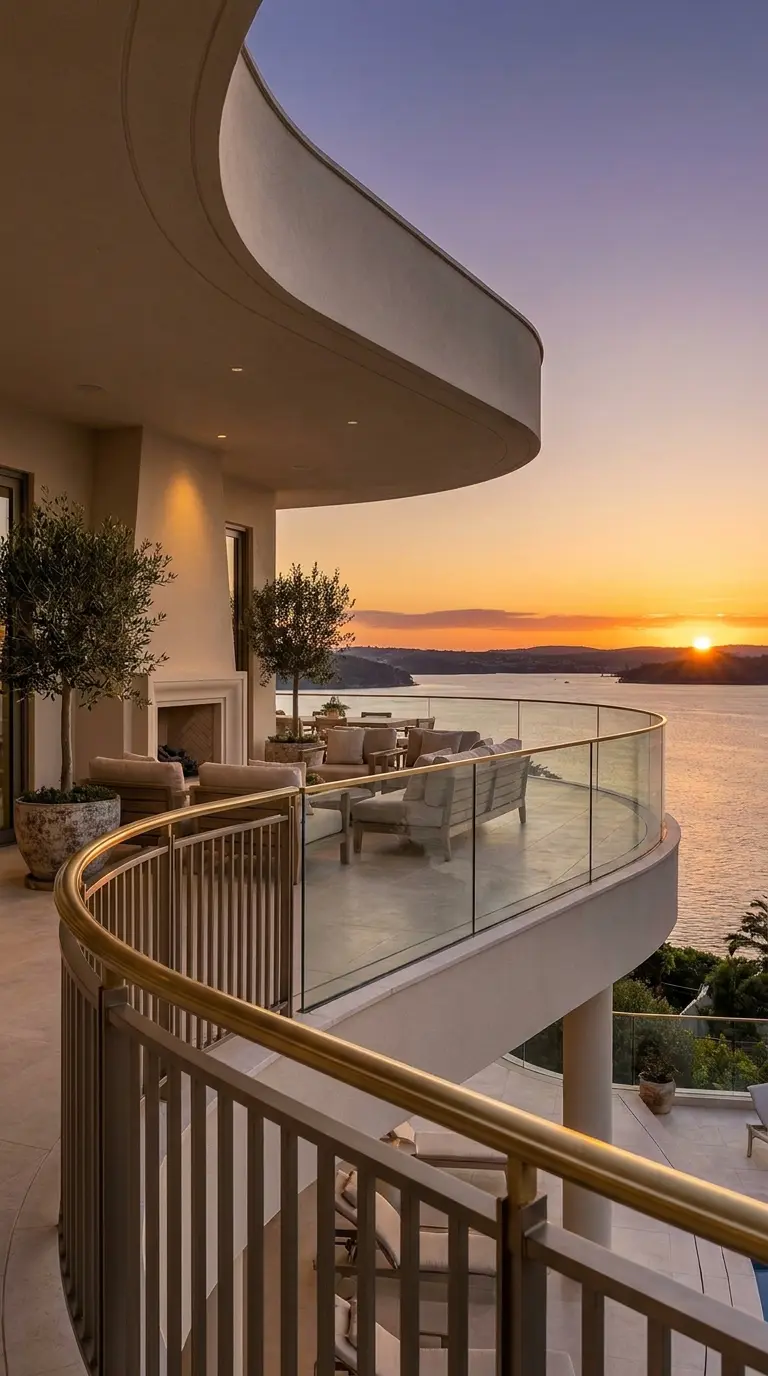
On the opposite end of the spectrum, luxury balcony railing design is where you can really let creativity and craftsmanship shine. Frameless glass paired with a brushed brass or gold handrail has become a favorite among high end residential projects, especially for penthouses and villas with unobstructed views.
Custom wrought iron with hand forged details is another hallmark of luxury design. Skilled ironworkers can create patterns that are entirely unique to your home, turning the railing into a functional piece of art rather than just a safety feature.
Mixed material railings are also trending in the luxury space, combining stone or wood posts with glass or cable infill. This layered approach adds depth and texture that a single material alone cannot achieve, and it tends to photograph beautifully for real estate listings if you ever decide to sell.
If budget truly is not a concern, integrated lighting within the railing itself, such as LED strips built into the handrail or base, creates a stunning effect at night that few standard railings can match.
Read Also : 55 Inspiring Farmhouse Kitchen Design Ideas That Will Instantly Warm Up Your Home
Balcony Railing Design with Planters and Greenery
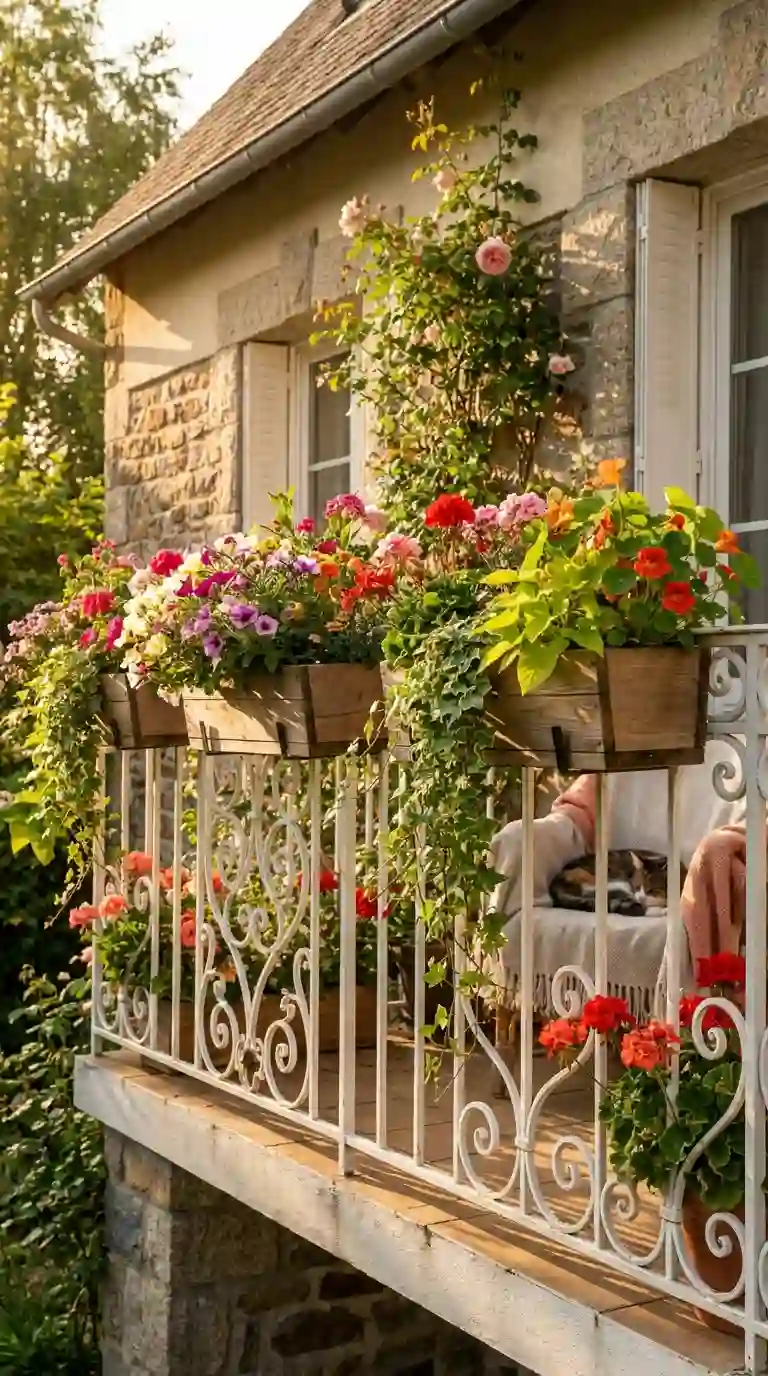
Greenery has an incredible ability to soften even the most industrial or minimalist balcony railing design. Attaching planter boxes directly to the railing is one of the most popular ways to add life and color without taking up any floor space.
Hanging planters that clip over the top rail work particularly well with horizontal railing styles, since there is a natural ledge for them to rest on. For vertical bar railings, you will usually need brackets or hooks specifically designed to hold the weight of a filled planter without damaging the railing’s finish.
Climbing plants like jasmine, morning glory, or ivy can be trained to grow along wrought iron or lattice style railings, eventually creating a living wall effect that looks stunning in warmer months. Just keep in mind that vigorous climbers need regular trimming, or they can start to hide the railing design entirely rather than complementing it.
If you live somewhere with strong winds, choose sturdier, low profile plants for your railing planters, since tall or top heavy arrangements can be knocked over and become a safety hazard on higher floors.
Lighting Ideas to Complement Your Balcony Railing Design
Lighting transforms a balcony from a daytime only space into somewhere you actually want to spend your evenings. When paired thoughtfully with your balcony railing design, the right lighting can highlight the shape and texture of the railing itself.
String lights woven along the top rail are an easy, affordable option that instantly adds warmth and a relaxed atmosphere. They work particularly well with wood or wrought iron railings, where the warm glow complements the natural texture of the material.
For a more polished look, integrated LED strip lighting recessed into the base or handrail of the railing creates a subtle glow without any visible fixtures during the day. This approach works beautifully with modern glass or cable railing designs, since the light seems to float along the edge of the balcony.
Solar powered post cap lights are another popular choice, especially for wood or composite railings, since they require no wiring and simply sit on top of each post. They are a low effort way to add both function and ambiance to your balcony railing design.
Maintenance Tips for Different Balcony Railing Design Materials
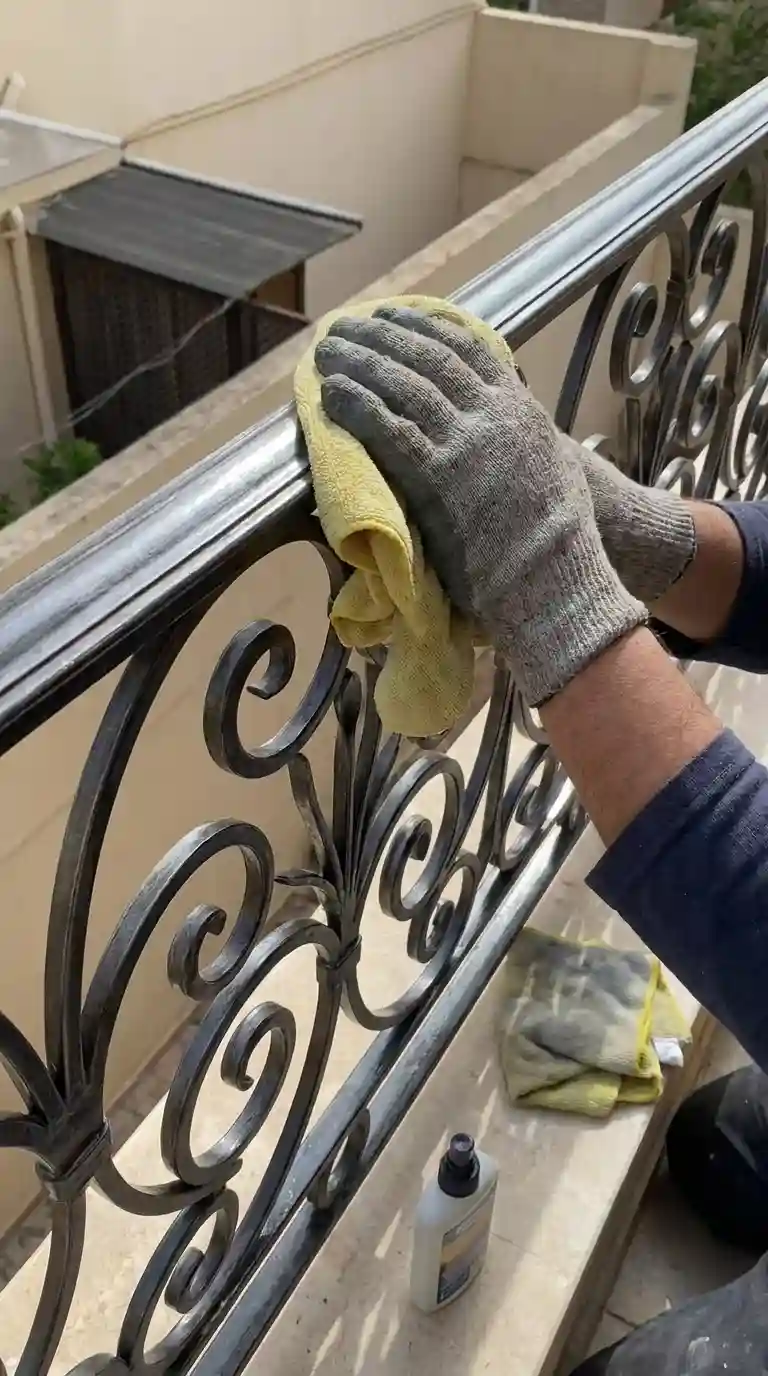
Every material requires a slightly different maintenance approach, and understanding this before you commit to a balcony railing design can save you a lot of frustration later.
Metal railings, whether iron, steel, or aluminum, should be inspected at least once a year for rust spots or chipped paint. Catching a small rust patch early and treating it with a rust inhibitor and touch up paint is far easier than dealing with a fully corroded section a few years down the line.
Wood railings need the most attention. Depending on your climate, resealing or restaining every one to two years keeps the wood protected from moisture and sun damage. Skipping this step is the number one reason wood balcony railing design ends up looking worn out faster than expected.
Glass panels simply need regular cleaning with a standard glass cleaner and a microfiber cloth. The main thing to watch for with glass is the metal hardware holding it in place, which can loosen over time and should be checked periodically for tightness.
Composite and cable railings are the lowest maintenance of the bunch. A simple rinse with a hose and occasional wipe down is usually enough, though cable railings should have their tension checked once a year to make sure the wires have not loosened.
How to Choose the Right Balcony Railing Design for Your Home
With so many options available, choosing the right balcony railing design can feel overwhelming. I always tell clients to start with three questions before looking at a single catalog or Pinterest board.
First, what is the architectural style of your home? A balcony railing design should feel like a natural extension of your house, not something bolted on as an afterthought. A sleek glass railing on a rustic farmhouse will always feel slightly out of place, just as ornate wrought iron on a strictly modern concrete home can feel mismatched.
Second, what is your climate like? Coastal homes need corrosion resistant materials, while homes in areas with heavy rain or snow need to consider how water drainage and freezing temperatures will affect the railing over time.
Third, how much maintenance are you realistically willing to do? Be honest with yourself here. A gorgeous wood railing that you never get around to resealing will end up looking worse than a slightly less exciting composite railing that always looks fresh with minimal effort.
Once you have answered these three questions, narrowing down your balcony railing design options becomes far easier, because you have already eliminated the choices that would not have worked long term anyway.
Common Mistakes to Avoid in Balcony Railing Design
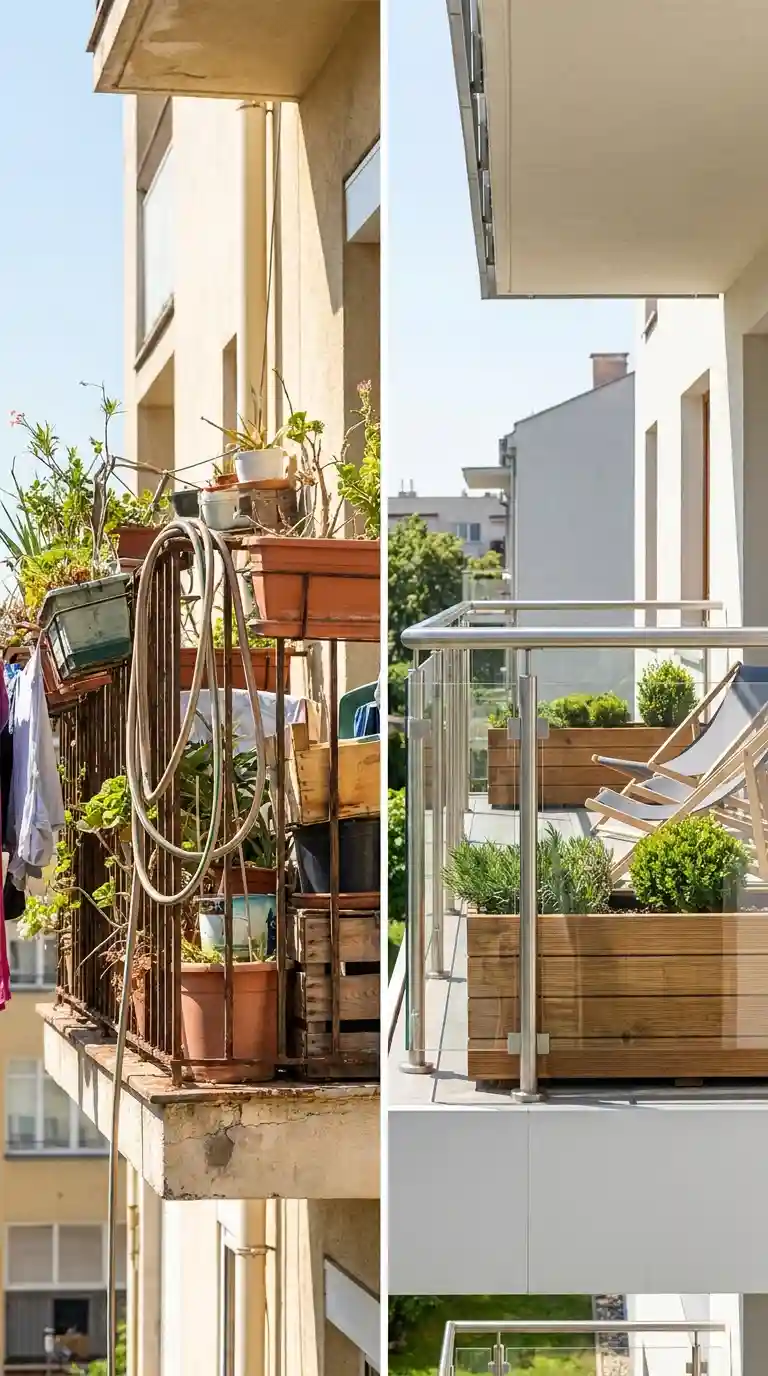
Over the years, I have noticed the same handful of mistakes come up again and again when people plan their balcony railing design. Avoiding these can save you a significant amount of regret and rework.
The first mistake is choosing style over safety. A beautiful railing that does not meet height or spacing requirements is not actually a good railing, no matter how much you love the look. Always confirm your design meets local safety codes before falling in love with a particular style.
The second mistake is ignoring the material’s suitability for your climate. I have seen gorgeous iron railings installed near the coast that were rusting within two years simply because the homeowner did not account for salt air exposure. Always match your material to your environment.
The third mistake is picking a railing that clashes with the rest of the home. This usually happens when people choose a trendy style they saw online without considering whether it actually fits their house’s existing architecture and color palette.
The fourth mistake is underestimating maintenance requirements. As I mentioned earlier, wood and untreated metal need regular upkeep, and skipping this leads to a tired, neglected looking balcony within just a few years.
Finally, many people forget to consider the view from inside the house, not just from the balcony looking out. A heavy, solid railing might look fine from the balcony itself but can block a significant amount of light and view when you are looking out through your living room or bedroom window.
Also Read : 45 Gorgeous Pink Living Room Ideas That Will Completely Transform Your Space
DIY vs Professional Installation for Balcony Railing Design
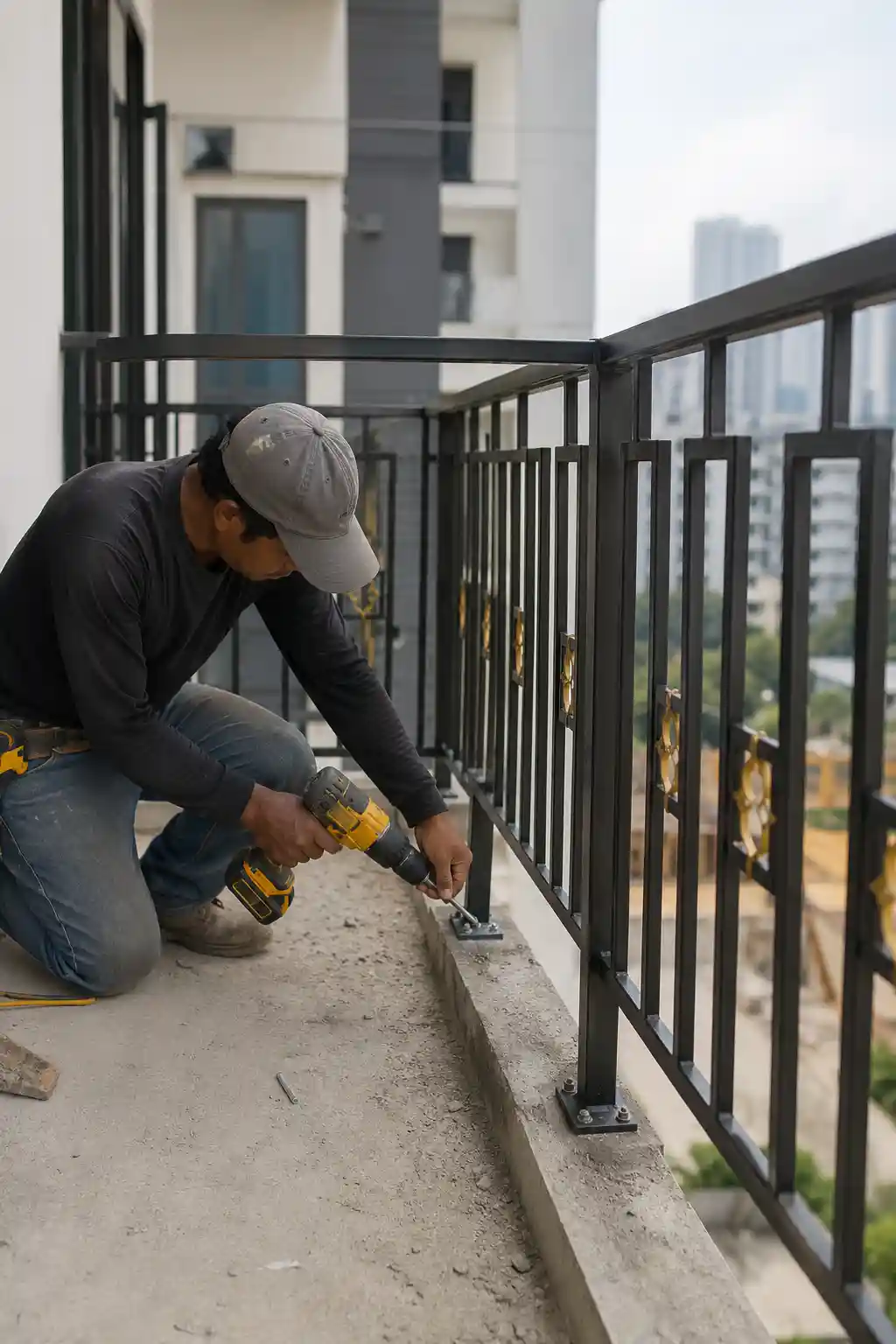
Whether to install your balcony railing design yourself or hire a professional depends largely on the material and complexity of the project. Simple pre fabricated aluminum or wood railing kits can often be installed by a confident do it yourselfer with basic tools, especially for ground floor balconies where the stakes of a mistake are lower.
However, anything involving custom welding, glass panels, or cable tensioning really should be left to a professional. These installations require specific tools and expertise to get right, and the safety consequences of a poor installation are too significant to risk on a first attempt.
For upper floor balconies especially, I always recommend professional installation regardless of material, simply because the anchoring needs to be verified by someone experienced in structural loads. A railing that looks perfectly installed but was not properly secured into the underlying structure can fail without warning, and that is not a risk worth taking to save a bit of money.
If you do decide to hire a professional, get at least two or three quotes, ask to see photos of their previous balcony railing design work, and confirm they are familiar with your local building codes before signing any contract.
Balcony Railing Design Trends Worth Knowing About
Design trends shift every few years, and balcony railing design is no exception. I like to keep an eye on what is coming up, not because homeowners need to chase every trend, but because it helps to know what will still look fresh a decade from now versus what might feel dated quickly.
Right now, one of the biggest trends is the mixing of materials within a single balcony railing design. Instead of choosing one material for the entire railing, homeowners are combining a metal frame with wood accents, or pairing glass panels with a stone base. This layered approach gives depth to the design and lets you bring in warmth from wood or stone while still getting the clean lines of metal or glass.
Another trend gaining momentum is the return of curved and organic shapes. For years, straight vertical bars dominated modern balcony railing design, but curved top rails and gently arched panels are starting to appear again, softening the look of otherwise minimalist balconies.
Sustainability is also shaping material choices. More homeowners are asking about recycled aluminum, reclaimed wood, and composite materials made from recycled plastics when planning their balcony railing design. Beyond the environmental benefit, these materials often come with excellent durability, which makes them a practical choice as much as an ethical one.
Smart features are slowly making their way into balcony railing design as well. Integrated lighting controlled by a phone app, motion sensor lights along the handrail, and even railings with built in planters that include self watering systems are becoming more common in higher end projects.
Balcony Railing Design for Different Climates
I mentioned climate earlier, but it deserves a deeper look because so many balcony railing design failures come down to choosing the wrong material for the local weather.
In hot, dry climates, metal railings can become extremely hot to the touch during peak summer hours, which is worth considering if you have children who might grab the railing while playing. Lighter colored finishes reflect more heat than dark colors, so a white or light gray balcony railing design can actually be more comfortable in these regions.
In cold, snowy climates, drainage becomes a major concern. Water that collects at the base of posts and then freezes can expand and crack certain materials over time, particularly lower grade wood or poorly sealed composite. Make sure your installer accounts for proper drainage gaps when planning a balcony railing design in a region with harsh winters.
Humid, tropical climates are tough on almost every material except well treated aluminum and stainless steel. Wood tends to warp or attract mold if not properly sealed and ventilated, while standard steel can rust surprisingly fast even with a protective coating. If you live somewhere with high humidity year round, I generally steer clients toward marine grade stainless steel or a high quality powder coated aluminum balcony railing design.
Coastal areas, as mentioned earlier, are particularly harsh due to salt air. Salt accelerates corrosion on nearly all metals except for higher grades of stainless steel and properly anodized aluminum. If you live within a mile or two of the ocean, always ask your supplier specifically about the corrosion resistance rating of the material before committing to a balcony railing design.
Combining Balcony Railing Design With Flooring and Furniture
A railing does not exist in isolation. The best balcony railing design works together with the flooring, furniture, and overall color palette of the space to create a cohesive look rather than a collection of mismatched pieces.
If your balcony has warm toned wood flooring, a black or bronze metal railing tends to create a beautiful contrast, while a white railing can feel a bit stark against warm wood tones. On the other hand, cool toned concrete or tile flooring pairs naturally well with both black metal and glass railings, since the cooler undertones complement each other.
Furniture choice matters too. A delicate, thin balcony railing design pairs nicely with slim rattan or wire frame furniture, keeping the whole space feeling light and airy. A heavier, more substantial railing style can support bulkier furniture pieces without the balcony feeling overloaded or visually busy.
Color coordination between your railing and your outdoor cushions, umbrellas, or planters ties everything together. I often suggest picking one or two accent colors from your railing’s finish, whether it is the warm tone of a wood rail or the cool gray of powder coated steel, and echoing that color somewhere else on the balcony through textiles or accessories.
Real Life Balcony Railing Design Transformations
One of the most rewarding parts of working in this field is seeing how much a simple railing change can transform an entire space. I remember one project involving an older apartment with a bulky, rusted iron railing that had clearly not been touched in decades. The client was ready to move because the balcony felt so unusable and unattractive.
Instead of a full renovation, we focused almost entirely on the balcony railing design. We removed the old iron bars, replaced them with a slim powder coated steel frame in matte black, and added a narrow wood cap rail along the top. The difference was dramatic. The balcony instantly felt more modern, safer, and far more inviting, all without touching the flooring or the walls.
In another case, a homeowner with a large rooftop balcony wanted to maximize their view of the surrounding hills. Their existing solid concrete railing was blocking almost a third of the view when seated. We replaced it with a frameless glass balcony railing design, and the transformation was immediate. Guests who visited after the change consistently commented on how much bigger and more open the space felt, even though the actual square footage had not changed at all.
These stories are a good reminder that you do not always need a massive renovation budget to see a meaningful difference. Sometimes the railing really is the missing piece that changes how an entire outdoor space feels and functions.
Working With a Designer or Contractor on Balcony Railing Design
If you are not confident designing your railing on your own, working with a designer or experienced contractor can make the process much smoother. When I sit down with a new client, the first thing I ask about is how they actually use their balcony. Do they entertain guests out there regularly, or is it a quiet spot for morning coffee? Do they have pets or young children who need extra safety consideration? These answers shape the balcony railing design far more than any current trend.
I also always recommend bringing reference photos to your first meeting. Even if you cannot articulate exactly what you want, a handful of images that caught your eye gives your designer or contractor a clear starting point. From there, a good professional will translate that inspiration into a design that actually fits your home’s structure, climate, and budget.
Do not be afraid to ask for a physical sample of the material and finish before committing. Photos and screens can be misleading when it comes to color and texture, and seeing an actual sample of the metal, wood, or glass in your own lighting conditions can prevent disappointment after installation.
Finally, always get everything in writing, including the exact material specifications, the finish type, the height and spacing measurements, and the estimated timeline. A clear written agreement protects both you and the contractor and ensures the finished balcony railing design matches what was actually discussed.
Also Read : 50 Fresh Spring Decor Ideas That Will Instantly Wake Up Every Room In Your Home
Final Thoughts on Balcony Railing Design
After everything we have covered, I hope it is clear that balcony railing design is not a small decision to rush through at the end of a renovation. It shapes how your home looks from the street, how safe your family feels, and how much you actually enjoy spending time outside on your own balcony.
Take your time exploring materials, styles, and finishes. Think about your climate, your maintenance habits, and your home’s existing architecture before making a final decision. Whether you end up with a minimalist steel railing, a warm wood design, or a luxurious frameless glass installation, the right balcony railing design will feel like it was always meant to be there.
A well chosen railing does more than keep you safe. It becomes part of the story your home tells to everyone who walks by, and that is worth getting right.
Balcony Railing Design and Property Value
A question I get asked surprisingly often is whether upgrading a balcony railing actually affects resale value. In my experience, the answer is yes, though maybe not in the dramatic way some homeowners expect. A tired, rusted, or visibly unsafe railing sends an immediate negative signal to potential buyers, even if the rest of the home is in great condition. It suggests neglect, and buyers often assume that if the railing was ignored, other maintenance items might have been ignored too.
On the flip side, a thoughtfully chosen balcony railing design can genuinely elevate how a home is perceived during a walkthrough. Real estate photographers know this well, which is why balconies with clean, modern railings tend to feature prominently in listing photos. A frameless glass railing overlooking a nice view, for example, photographs beautifully and often becomes one of the selling points highlighted in a listing description.
That said, I would not recommend a full railing replacement purely for resale purposes unless the existing one is genuinely damaged, unsafe, or clashing badly with the rest of the home. In most cases, a simple refresh such as repainting, tightening loose hardware, or adding a few plants along the rail is enough to make the space feel cared for without a major investment.
Seasonal Care Checklist for Balcony Railing Design
Since maintenance came up earlier, I want to give you something a bit more actionable, a simple seasonal rhythm you can follow no matter what material your balcony railing design uses.
In spring, do a full inspection after winter weather has passed. Check for loose bolts, chipped paint, early signs of rust, and any cracking in wood or composite materials. This is also the best time to give everything a deep clean before you start spending more time outside.
In summer, keep an eye on how the heat is affecting your railing, especially if you chose a dark metal finish. Touch up any paint that may have faded from sun exposure, and make sure climbing plants are not overwhelming the structure of the railing itself.
In autumn, clear away fallen leaves and debris that can collect at the base of posts and trap moisture against the material. This is particularly important for wood railings, where trapped moisture is one of the leading causes of rot.
In winter, especially in colder climates, make sure snow is cleared regularly rather than left to pile up against the railing, and check that any drainage points remain clear of ice buildup. A few minutes of seasonal attention each year will keep your balcony railing design looking sharp for far longer than if you wait until something visibly breaks.
Frequently Asked Questions
What is the best material for balcony railing design?
There is no single best material, since it depends on your budget, climate, and style preference. Metal offers durability and a modern look, wood brings warmth but needs more upkeep, and glass provides an open, unobstructed view. Coastal homes generally do better with aluminum or stainless steel due to their resistance to salt air corrosion.
How tall should a balcony railing be?
Most residential codes require a minimum height of around 36 inches, though this can increase for higher floors or commercial buildings. Always check your local building regulations before finalizing your balcony railing design, since requirements vary by region.
What is the cheapest balcony railing design option?
Pre fabricated aluminum kits and pressure treated wood tend to be the most budget friendly options. You can also refresh an existing railing with paint and decorative inserts for a fraction of the cost of a full replacement.
Can I install a balcony railing myself?
Simple kits for ground floor balconies can often be installed by a confident homeowner with basic tools. However, custom metalwork, glass panels, and upper floor installations should be handled by a professional to ensure proper anchoring and safety compliance.
How do I stop my balcony railing from rusting?
Regular inspection is key. Look for small rust spots at least once a year and treat them immediately with a rust inhibitor and matching touch up paint. Choosing a powder coated or galvanized finish from the start also significantly reduces the chances of rust developing.
What is the maximum gap allowed between balcony railing bars?
Many regions require gaps no wider than four inches to prevent a small child from slipping through or getting their head stuck. Always confirm the exact requirement for your local area before installation.
Are glass balcony railings safe?
Yes, when properly installed with tempered or laminated safety glass, glass balcony railing design is considered very safe. The key is ensuring the glass meets local building code thickness requirements and is installed with secure hardware that is regularly checked for looseness.
How much does a balcony railing design cost?
Costs vary widely depending on material and complexity, ranging from a few hundred dollars for a basic aluminum kit to several thousand dollars for custom wrought iron or frameless glass installations. Labor costs also depend heavily on your location and the difficulty of the installation.
What is the most popular balcony railing color right now?
Matte black has become extremely popular in recent years because it creates a strong visual outline against most wall colors and pairs well with both modern and traditional architecture. White remains a classic choice for coastal and Mediterranean style homes.