
There is a very specific kind of heartbreak that comes from watching a plant you genuinely loved slowly turn yellow, drop its leaves, and eventually die on your windowsill while you stand there completely confused about what went wrong. I have been there more times than I care to admit, and I have also spent years since then learning how to grow indoor plants in a way that actually keeps them alive, thriving, and genuinely beautiful for years rather than a few sad months.
Learning how to grow indoor plants gets treated online like a mysterious, almost magical skill that some people just happen to have and others simply do not. I genuinely do not believe that is true. Every single plant I have killed over the years taught me something specific about light, water, or soil that I now apply without even thinking about it. The people who seem to have a natural green thumb are usually just people who paid attention to their mistakes and adjusted from there.
This guide pulls together everything I have learned about how to grow indoor plants successfully, from picking the right plant for your actual home to troubleshooting the most common problems that trip up beginners again and again. We will walk through light, water, soil, humidity, and the small daily habits that separate a thriving indoor jungle from a windowsill full of sad, struggling plants. Let us get into it.
Also Read : Garden Edging Ideas: The Ultimate Guide to Defining a Beautiful, Polished Yard
Why Learning How to Grow Indoor Plants Is Worth the Effort
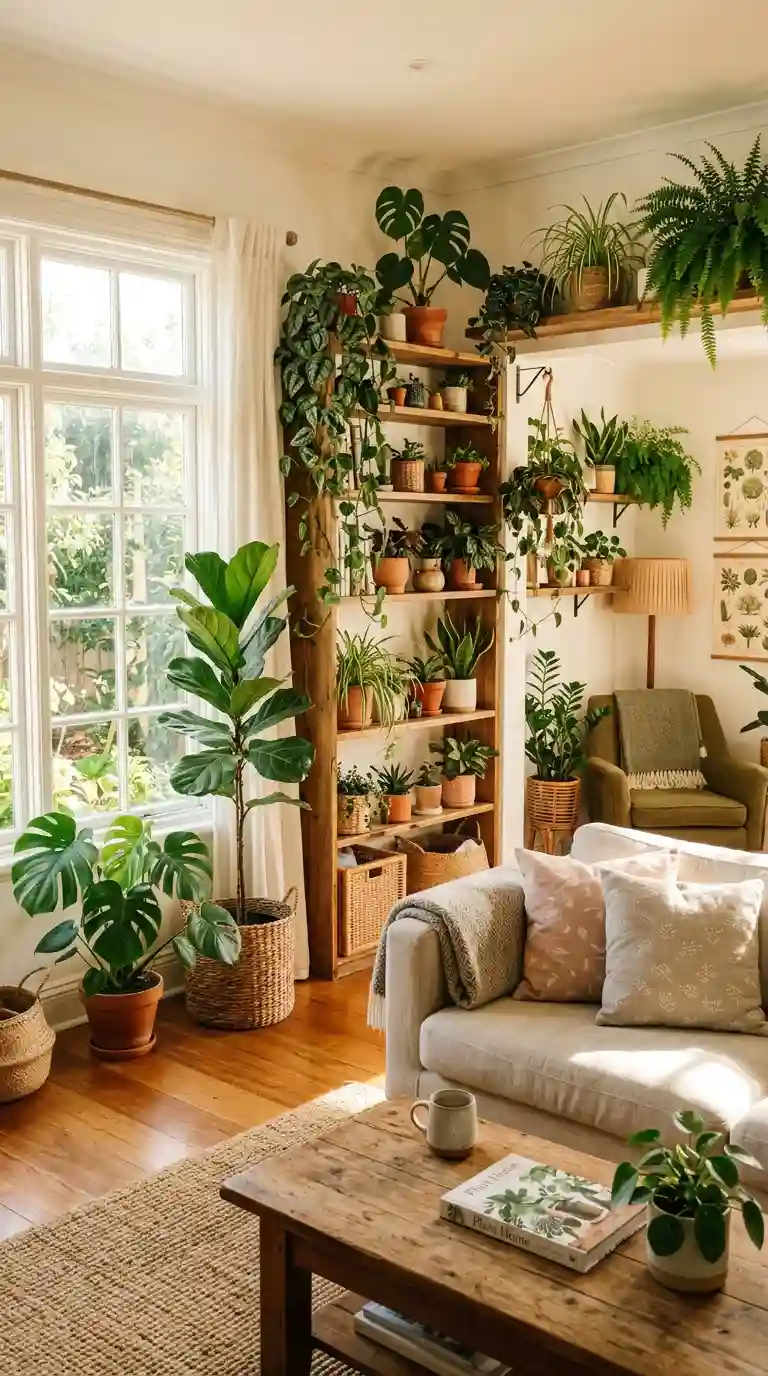
There is something genuinely calming about being surrounded by living, growing things inside your own home. Learning how to grow indoor plants successfully changes the entire feeling of a space, bringing texture, color, and a kind of quiet life into rooms that might otherwise feel flat or sterile, especially during the colder months when everything outside has gone dormant.
Beyond the purely visual appeal, there is genuine research suggesting that spending time around plants can improve mood and reduce stress, and I have found this to be true in my own experience as well. There is something quietly satisfying about checking on your plants each morning, noticing a new leaf unfurling, or realizing a cutting you rooted weeks ago has finally started to grow.
Figuring out how to grow indoor plants also gives you a genuine sense of accomplishment that few other hobbies quite replicate. Unlike a lot of modern life, where progress can feel abstract or slow, a plant gives you direct, visible feedback. It either grows or it does not, and learning to read that feedback and respond correctly is a skill that genuinely builds confidence over time.
I have watched friends and family go from nervously killing every plant they touched to confidently maintaining dozens of thriving specimens throughout their home, simply by understanding a handful of core principles. Learning how to grow indoor plants is not about having some innate gift. It is about understanding what each specific plant actually needs and paying close enough attention to notice when something needs to change.
Choosing the Right Plants Before You Start Growing Indoor Plants
Before you bring home a single plant, it genuinely helps to slow down and think honestly about your actual living space, since the foundation of learning how to grow indoor plants successfully starts with choosing species that genuinely match the conditions you can actually offer them.
Evaluate your home’s natural light honestly before buying anything. A north facing apartment with small windows offers genuinely different growing conditions than a sunroom with floor to ceiling glass, and choosing plants suited to your actual light levels, rather than the plant you simply liked the look of in the store, sets you up for far greater long term success.
Start small if you are genuinely new to this. Begin with one or two forgiving, beginner friendly plants and see how well they do before expanding your collection significantly. This approach lets you learn how to grow indoor plants gradually, building real confidence and observation skills before taking on something more delicate or demanding.
Pothos, philodendron, snake plants, and ZZ plants remain some of the most consistently recommended options for anyone just learning how to grow indoor plants, since all four tolerate a wide range of light conditions, forgive occasional watering mistakes, and grow reliably even for someone still developing their instincts.
Consider your household’s specific circumstances too. Households with curious pets or young children need to research plant toxicity carefully, since several popular houseplants, including sago palms, certain philodendrons, and some varieties of ivy, can pose a genuine hazard if chewed or ingested.
Understanding Light Requirements When Learning How to Grow Indoor Plants

Light is genuinely the single most important factor in learning how to grow indoor plants successfully, and it is also the element beginners most commonly misjudge or overlook entirely when their plants start struggling.
Every plant requires light energy for photosynthesis, but different species need meaningfully different amounts and intensities of that light to actually thrive. Understanding this range, rather than assuming every houseplant wants the exact same conditions, is genuinely foundational to learning how to grow indoor plants well.
Bright indirect light, meaning a spot near a window but not in the direct path of harsh midday sun, suits the widest range of common houseplants and remains the safest default recommendation for most beginners still learning how to grow indoor plants without a lot of specialized knowledge yet.
Direct sunlight, while necessary for certain sun loving species like succulents and cacti, can genuinely scorch the leaves of many popular tropical houseplants, including pothos, if placed in an unobstructed south or west facing window for extended periods during the hottest part of the day.
Low light tolerant plants, including snake plants, ZZ plants, and certain pothos varieties, genuinely can survive in dimmer corners of a home, though it is worth being honest that survive and thrive are two different things. A plant kept in very low light will generally grow more slowly and may never reach its full potential compared to one given brighter, indirect conditions.
Supplemental grow lights have become a genuinely accessible solution for anyone learning how to grow indoor plants in a space without much natural light available. Standard household light bulbs are not effective for this purpose, so investing in an actual full spectrum LED or fluorescent grow light designed specifically for plants makes a meaningful difference in spaces that otherwise struggle to support healthy growth.
Rotating your plants periodically, giving each side equal exposure to your available light source, helps prevent that lopsided, reaching appearance that develops when a plant consistently stretches toward light coming from only one direction.
Read Also : Fairy Garden Ideas: The Ultimate Guide to Building a Tiny, Magical World in Your Own Backyard
Mastering Watering Techniques While Learning How to Grow Indoor Plants
Watering might be the single trickiest skill within learning how to grow indoor plants, and it is genuinely the area where I see the most beginners make consistent, repeated mistakes without realizing it.
The single most important rule to internalize is that overwatering kills far more houseplants than underwatering ever does. Most houseplants are genuinely better off slightly dry than sitting in consistently soggy, waterlogged soil, and learning to resist the urge to water on a rigid daily schedule is one of the most valuable habits you can develop.
Checking the actual soil moisture, rather than watering based purely on a calendar, remains the most reliable technique within how to grow indoor plants successfully. Sticking a finger an inch or two into the soil tells you far more than guessing based on how many days have passed since your last watering.
Most houseplants only need watering once or twice a week during their active growing season, and significantly less during the winter months when growth naturally slows down. Adjusting your watering frequency seasonally, rather than keeping it constant year round, is a genuinely important piece of learning how to grow indoor plants successfully through every season.
Succulents and cacti represent a notable exception to the general slightly dry preference, since these particular plants actually benefit from periodic thorough soakings followed by a longer period of complete dryness, rather than the more consistent light moisture that tropical foliage plants typically prefer.
Watch for physical signs your plant is showing you, beyond simply checking the soil. Wilting leaves, dulled color, or a noticeably lighter feeling pot can all indicate a plant needs water, while yellowing leaves, a persistently soggy soil surface, or a moldy smell coming from the pot usually point toward overwatering instead.
Consider hydroponic growing as an interesting alternative worth exploring once you have some confidence with traditional soil based methods. Since there is no soil involved, nutrients delivered through water reach the plant’s roots directly, which can produce fuller, faster growth for certain species compared to traditional potting methods.
Choosing the Right Soil for How to Grow Indoor Plants Successfully
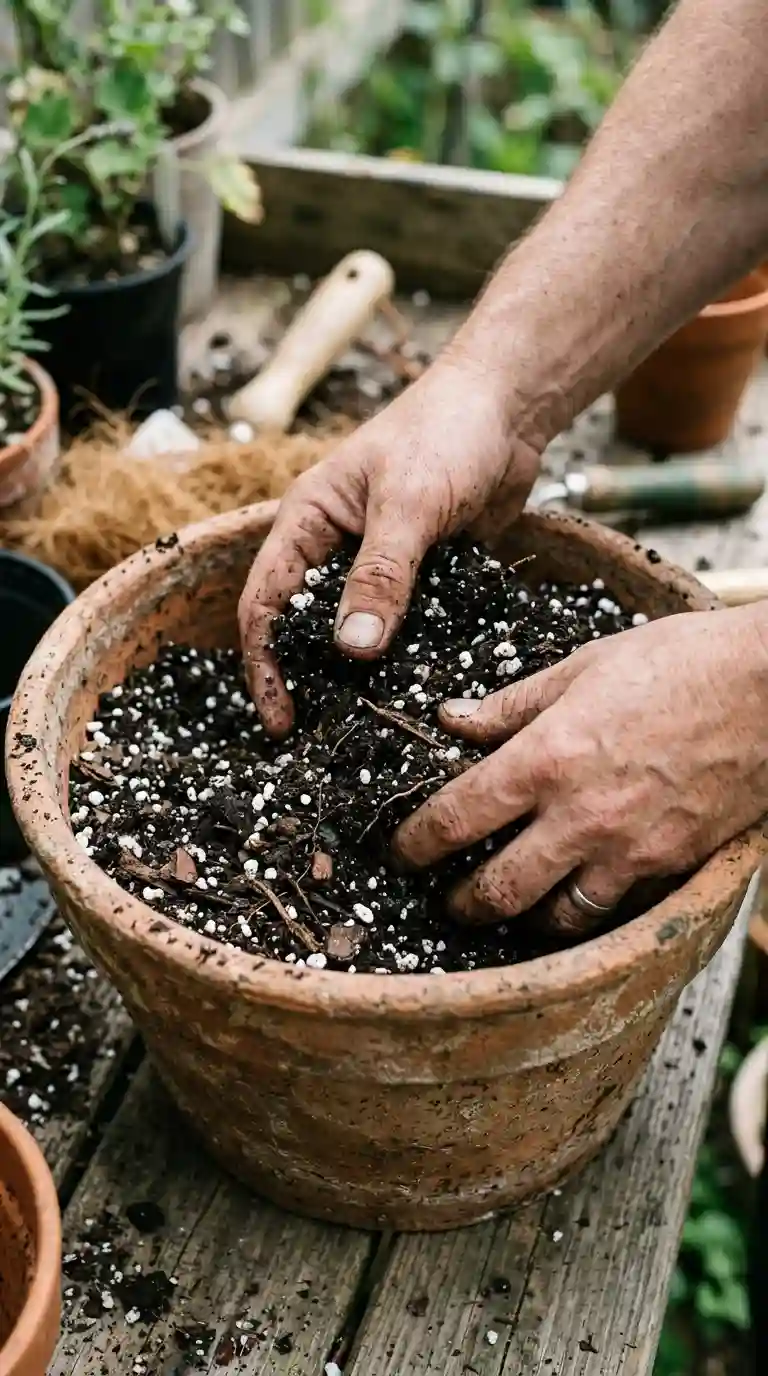
Soil quality genuinely shapes how successfully you can grow indoor plants, providing the foundation for root health, nutrient absorption, and proper drainage that a plant depends on throughout its entire life indoors.
A high quality potting mix, rather than soil dug directly from your yard, provides the ideal balance of nutrition, aeration, and water absorption that container grown plants genuinely need. Garden soil tends to compact too heavily in a pot, restricting root growth and drainage in a way that potting mix specifically avoids.
Different plants genuinely require different soil compositions as part of learning how to grow indoor plants across a varied collection. Succulents and cacti need fast draining, sandy or gritty soil that mimics their natural arid growing conditions, while orchids and bromeliads require a chunky, extremely well draining mix suited to their unique root structures.
A general well draining mix, often combining peat moss or coco coir with perlite and vermiculite, suits most common tropical foliage houseplants and remains a reliable default for anyone building out a varied indoor plant collection without wanting to purchase a dozen different specialty soil blends.
Refreshing and replenishing the nutrients in your potting soil periodically, either through repotting into fresh mix or regular fertilizing, supports sustained, healthy growth over the long term. Potting soil naturally depletes of nutrients over time as your plant actively uses what is available, so this ongoing maintenance genuinely matters for long term success.
Repotting into a slightly larger container every year or two, once a plant has genuinely outgrown its current pot, gives roots fresh space and nutrients to continue healthy growth. Signs a plant needs repotting include roots visibly circling the drainage holes or the plant needing water unusually frequently because its root system has filled the entire available soil volume.
Temperature and Humidity Considerations for Growing Indoor Plants
Temperature and humidity genuinely matter more than a lot of beginners initially realize when learning how to grow indoor plants, particularly for tropical species that originate from genuinely different climate conditions than the average home provides.
Most houseplants thrive within standard indoor room temperatures, generally somewhere between sixty five and eighty degrees Fahrenheit, without requiring any special heating or cooling considerations beyond what a typical home already maintains for human comfort.
Protecting plants from drafts, both hot and cold, matters significantly more than people expect. Positioning plants directly against a cold windowpane during winter, or right next to a heating vent that creates an unusually hot, dry microclimate, can genuinely stress a plant even if the room’s overall temperature seems perfectly reasonable.
Dry winter air from home heating systems can drop indoor humidity levels significantly, sometimes below thirty percent, which genuinely stresses many tropical houseplants and frequently causes the brown, crispy leaf tips that confuse so many beginners trying to figure out what went wrong.
Grouping plants together has become a genuinely popular and effective technique for naturally raising humidity around your plant collection, since plants release moisture through their leaves, and clustering several together creates a slightly more humid microclimate than any single plant could maintain entirely on its own.
A small humidifier placed near a cluster of particularly humidity loving plants, like ferns or certain orchids, offers a more direct solution for anyone learning how to grow indoor plants in a genuinely dry climate or a home with forced air heating running throughout the winter months.
Misting, while a commonly recommended technique, offers only a brief, temporary humidity boost and should not be relied upon as your primary strategy if you are dealing with a genuinely dry environment. A humidifier or a pebble tray filled with water positioned beneath a plant’s pot provides more consistent, longer lasting results.
Must Read : Raised Garden Bed Ideas: The Ultimate Guide to Building a Thriving, Beautiful Garden
Fertilizing Your Way Through How to Grow Indoor Plants Successfully
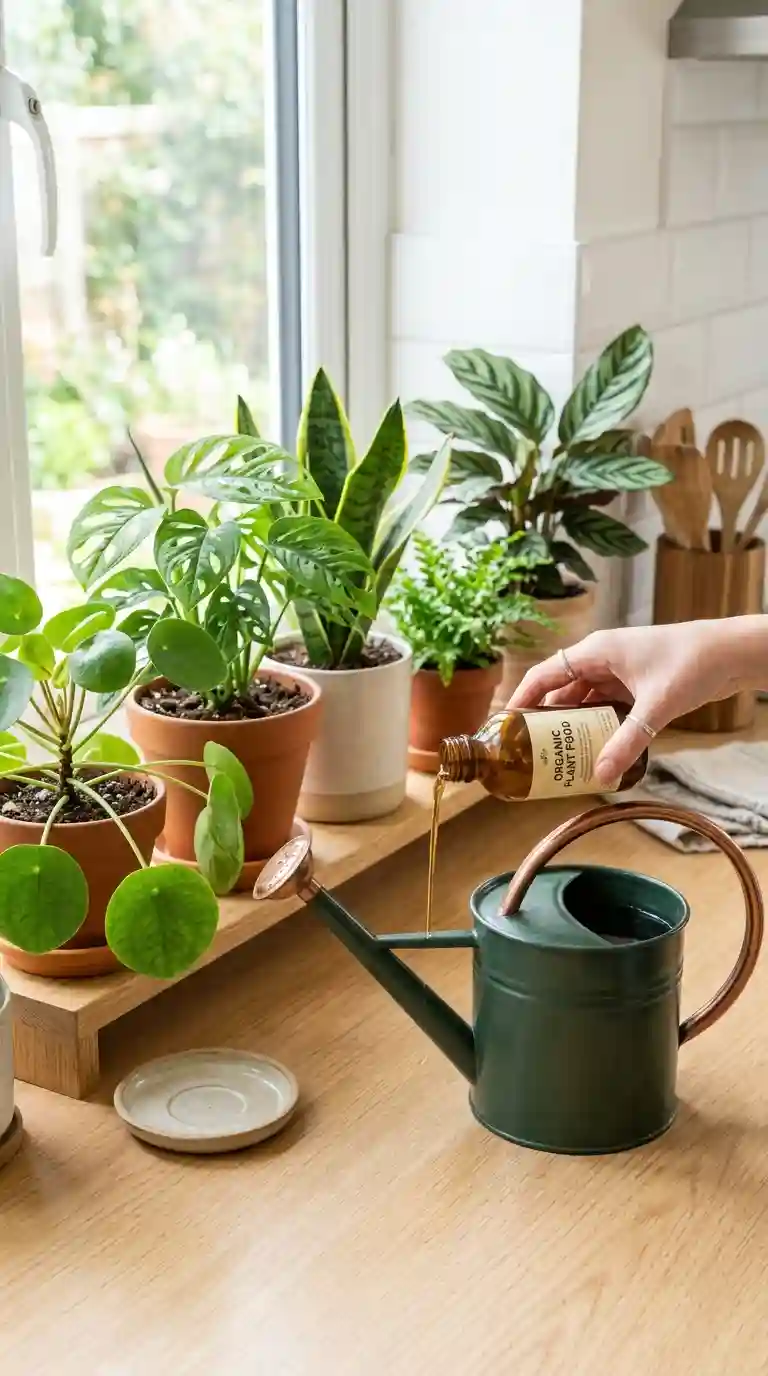
Fertilizing represents a genuinely important, though frequently overlooked, piece of learning how to grow indoor plants well over the long term, since potting soil naturally depletes of nutrients as a plant continues actively growing within its limited container.
Most houseplants benefit from regular fertilization during their active growing season, generally spring through early fall, when they are putting on the most new growth and therefore drawing the most nutrients from the soil available to them.
Reducing or entirely pausing fertilization during the winter months makes genuine sense for most houseplants, since growth naturally slows considerably during this period, and continuing to fertilize at full strength can actually cause more harm than good by building up excess salts in soil the plant is not actively using.
Organic fertilizers tend to be gentler and genuinely safer for most houseplants compared to harsher synthetic alternatives, reducing the risk of accidentally burning tender roots through over fertilization, which remains a fairly common mistake among beginners still learning how to grow indoor plants confidently.
Diluting fertilizer to half strength, particularly when you are still learning your specific plants’ individual tolerances, offers a genuinely safer starting point than applying a full strength dose right away. It is significantly easier to gradually increase fertilizer strength over time than to reverse the damage caused by an accidental overdose.
Watch your plants for signs of both nutrient deficiency and fertilizer burn as you continue developing your instincts around how to grow indoor plants successfully. Pale, slow growing leaves can indicate a plant needs more regular feeding, while crispy, browned leaf edges combined with a visible white crust on the soil surface often point toward excess fertilizer salt buildup instead.
Common Problems You Will Face While Learning How to Grow Indoor Plants
Even with genuinely solid fundamentals in place, every single person learning how to grow indoor plants eventually runs into a few common problems along the way. Recognizing these issues quickly, rather than panicking or giving up entirely, makes an enormous difference in whether a struggling plant actually recovers.
Yellowing leaves most commonly indicate overwatering, though this particular symptom can occasionally point toward a nutrient deficiency as well, so checking your soil moisture first remains the most reliable diagnostic starting point whenever you notice this specific issue developing.
Brown, crispy leaf tips typically signal low humidity, inconsistent watering, or occasionally a buildup of excess fertilizer salts in the soil. Addressing your home’s humidity levels and reviewing your recent watering consistency usually resolves this particular symptom within a few weeks of consistent, corrected care.
Leaves dropping suddenly and unexpectedly often points toward a sudden temperature change or a draft the plant was recently exposed to, rather than a watering or light issue specifically. Keeping your plants in a stable, consistent environment, away from doors that open frequently to cold outdoor air, genuinely helps prevent this particular problem.
Leggy, stretched out growth with unusually long gaps between leaves almost always indicates insufficient light. A plant stretching visibly toward its nearest light source is directly communicating that its current position is not providing enough intensity for healthy, compact growth.
Pest infestations, including common culprits like spider mites, mealybugs, and fungus gnats, genuinely happen to even experienced growers eventually, and catching these problems early through regular close inspection of your plants makes treatment significantly easier than waiting until an infestation has spread extensively throughout your collection.
Root rot, caused by consistently overwatered, poorly draining soil, represents one of the more serious problems you might encounter while learning how to grow indoor plants, and unfortunately it often requires removing the plant from its pot, trimming away any mushy, blackened roots, and repotting into completely fresh, dry soil to have any real chance of recovery.
Propagation Techniques to Expand How You Grow Indoor Plants
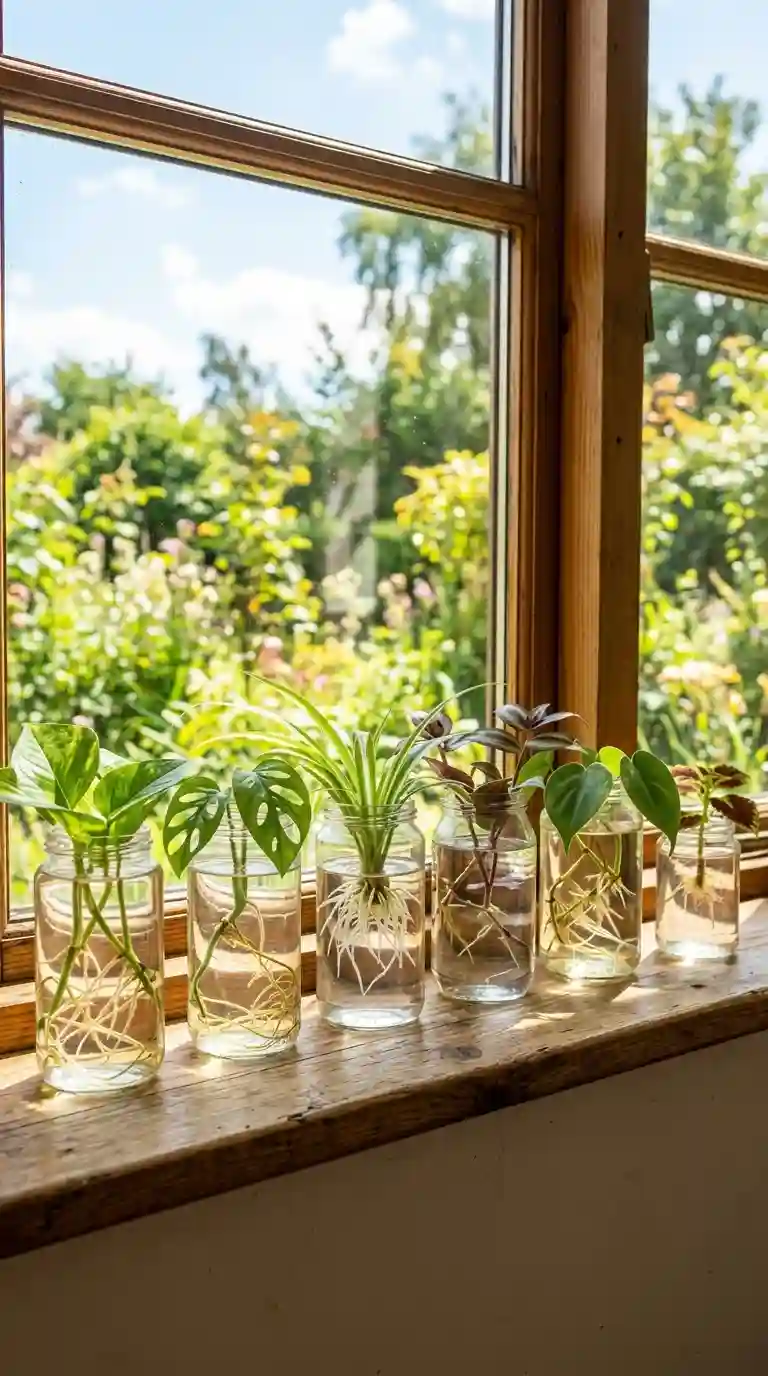
Once you have developed some genuine confidence in your basic care routine, learning how to grow indoor plants through propagation opens up an entirely new, genuinely rewarding dimension to this hobby, allowing you to multiply your existing collection without spending any additional money.
Stem cuttings represent one of the most accessible and beginner friendly propagation methods available. Many popular houseplants, including pothos and philodendron, root easily from a simple stem cutting placed in a glass of water, making this an excellent first propagation project for anyone still building their confidence.
Rooting cuttings in water lets you actually watch the new root system develop over the following weeks, which offers a genuinely satisfying, visual learning experience for anyone still developing their intuition around how to grow indoor plants from scratch rather than simply purchasing an already established plant.
Once roots have developed to a reasonable length, generally an inch or two, transferring your cutting into potting soil allows it to continue developing into a fully independent plant. This transition period requires slightly more attentive watering initially, since the plant is adjusting from pure water to soil based growing conditions.
Leaf cuttings work particularly well for certain succulent varieties, where an entire new plant can eventually grow from a single healthy leaf placed on top of well draining soil and given appropriate light and minimal water until roots and a new rosette begin to form.
Division offers another genuinely effective propagation method, particularly suited to plants that naturally grow multiple stems or offshoots from a shared root system, like snake plants or certain ferns. Carefully separating these sections during repotting allows you to create several independent plants from what was originally a single specimen.
Taking cuttings specifically during your plant’s active growing season, generally spring through summer, gives new propagations the best possible chance of rooting successfully, since the parent plant’s overall vigor during this period tends to translate into stronger, faster rooting for any cuttings taken from it.
Also Read : 50 Brilliant Small Garden Ideas That Will Transform Your Tiny Outdoor Space
Arranging and Styling Plants Within Your Home
Beyond the pure mechanics of care, learning how to grow indoor plants successfully also involves thinking thoughtfully about how you actually arrange and display your growing collection throughout your home.
Grouping plants by similar light and humidity needs makes practical care significantly easier, since you can water and maintain an entire cluster together rather than managing a dozen scattered plants each requiring a slightly different routine throughout your home.
Considering your existing interior style when selecting and arranging plants genuinely elevates the overall visual impact of your collection. Minimalist decor tends to pair beautifully with plants sharing similar shades of deep green, while a more eclectic home benefits from intentionally mixing plants with more varied, contrasting colors and leaf textures throughout the space.
Varying plant heights and pot styles throughout a room creates genuine visual interest, avoiding the flat, uniform look that comes from placing several similarly sized plants at exactly the same height without any intentional variation.
A dedicated windowsill garden, using your brightest available window to cluster several sun loving plants together, creates a genuinely charming focal point while also conveniently grouping plants with similar light requirements in the exact spot best suited to meet those needs.
Hanging and trailing plants, including pothos and certain philodendron varieties, work beautifully in elevated positions throughout a room, adding vertical interest and making efficient use of space that might otherwise go entirely unused within your overall approach to growing indoor plants.
Seasonal Adjustments for How to Grow Indoor Plants Year Round
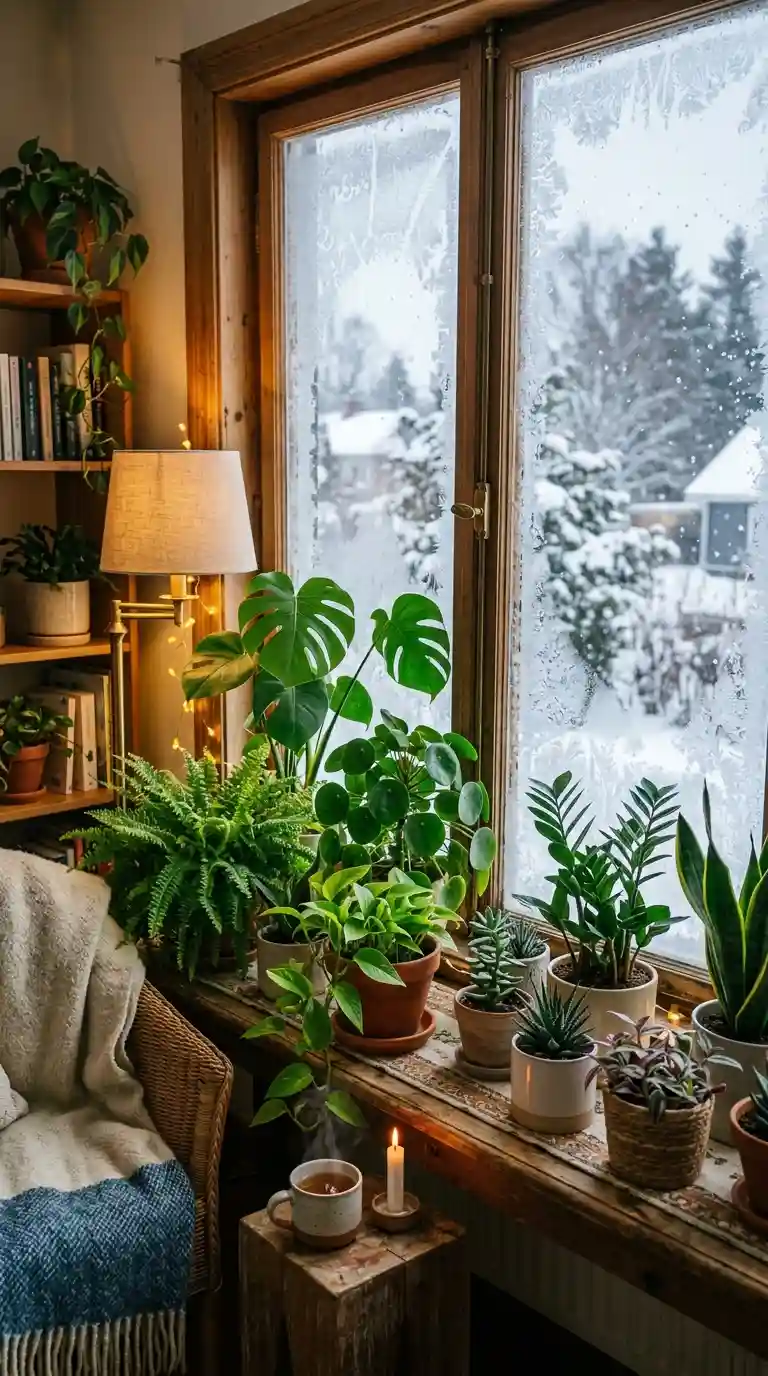
Successfully learning how to grow indoor plants throughout an entire year requires adjusting your care routine as the seasons genuinely change, rather than maintaining an identical approach regardless of what time of year it actually is.
Spring and summer represent the active growing season for most houseplants, when increased natural daylight and generally warmer temperatures encourage noticeably faster growth. This is the ideal window for repotting, propagating new cuttings, and maintaining a more regular fertilizing schedule.
Fall signals a gradual transition period, where you should begin slowly reducing watering frequency and fertilizer applications as your plants naturally start preparing for a slower period of growth heading into the colder months ahead.
Winter genuinely demands the most careful attention when learning how to grow indoor plants successfully through an entire calendar year. Reduced natural daylight hours, combined with dry heated indoor air, create meaningfully different conditions than what your plants experienced just a few months earlier during summer.
Moving plants away from cold, drafty windows during winter, while still ensuring they receive adequate available light, helps balance the competing needs of warmth and brightness during the season when both can genuinely be harder to provide simultaneously.
Watch for your plants’ natural seasonal slowdown without panicking about it. Reduced growth during winter is a completely normal, healthy response rather than a sign something has gone wrong with your care routine, and understanding this distinction prevents a lot of unnecessary worry among people still building confidence in how to grow indoor plants successfully.
Tools and Supplies That Make Growing Indoor Plants Easier
Having the right basic tools on hand genuinely simplifies the ongoing process of learning how to grow indoor plants, removing some of the guesswork and friction that can make consistent care feel more complicated than it actually needs to be.
A simple watering can with a narrow spout gives you genuine precision when watering, allowing you to direct water exactly at the soil rather than splashing it across leaves, which matters particularly for plants prone to fungal issues when their foliage stays consistently wet.
A moisture meter, while entirely optional, offers a genuinely helpful tool for beginners still developing confidence in reading soil moisture through touch alone. Inserting the probe directly into the soil gives an immediate, objective reading that removes some of the early uncertainty around when exactly to water.
Sharp, clean pruning shears or scissors matter more than people initially expect, both for removing damaged leaves and for taking clean propagation cuttings that root more reliably than a cutting made with a dull or dirty blade.
A basic set of well draining pots with drainage holes remains genuinely essential for how to grow indoor plants successfully. A pot without any drainage allows excess water to pool at the bottom, creating exactly the soggy, waterlogged conditions that lead to root rot over time.
Grow lights, as covered earlier, offer a genuinely worthwhile investment for anyone growing plants in a space without abundant natural light, and modern LED options have become significantly more affordable and energy efficient compared to older fluorescent alternatives.
Also Read : 45 Breathtaking Interior Decor Plants That Instantly Transform Any Room Into A Living Sanctuary
Building a Simple Care Routine for How to Grow Indoor Plants Consistently

Consistency genuinely matters more than perfection when it comes to learning how to grow indoor plants successfully over the long term, and building a simple, sustainable routine makes this hobby significantly easier to maintain without becoming overwhelming.
Setting a regular day each week to check on your entire plant collection, rather than relying purely on memory or waiting until a plant looks visibly distressed, helps you catch small problems early before they become significantly harder to fix.
Creating a simple care schedule, whether written down or set as phone reminders, genuinely helps until your routine becomes second nature. Once you have spent enough time observing your specific plants’ needs, you will likely find yourself checking on them instinctively without needing a formal reminder system at all.
Taking a few photos of your plants periodically, even informally, helps you notice gradual changes over time that might be harder to catch day to day. Comparing a current photo against one from a month earlier often reveals growth, or warning signs, that are genuinely easy to miss through casual daily observation alone.
Cleaning dust off your plants’ leaves periodically, using a soft damp cloth, genuinely matters more than a lot of beginners realize. Accumulated dust can meaningfully block light absorption, reducing your plant’s ability to photosynthesize effectively even when it is otherwise positioned in adequate light.
Being patient with yourself as you learn remains genuinely important throughout this entire process. Nearly everyone who has successfully learned how to grow indoor plants killed at least a few along the way, and each of those experiences genuinely taught something valuable that shaped better instincts going forward.
How I Approach Helping Someone Start Growing Indoor Plants From Scratch
Every time I help a genuinely nervous beginner start learning how to grow indoor plants, I start with the same honest conversation about their actual home, not their aspirational Pinterest board full of lush, jungle like rooms.
I remember helping a friend who had killed three consecutive plants and was genuinely ready to give up entirely, convinced she simply did not have whatever natural talent this hobby apparently required. We walked through her apartment together, and it became immediately clear her previous plants had all been sun loving varieties placed in a fairly dim, north facing living room. We started over with a single ZZ plant, genuinely one of the most forgiving low light options available, and watered it only once every couple of weeks based on actually checking the soil rather than a rigid schedule. Within a few months, she had confidently expanded to six thriving plants throughout her apartment.
I have also worked with someone on the opposite end of the spectrum, someone with abundant bright light but a tendency to love her plants a little too enthusiastically, watering daily out of genuine care rather than actual need. Teaching her to check soil moisture before watering, rather than following an automatic daily habit, immediately resolved the chronic yellowing leaves she had been dealing with for months.
What I have learned across these very different starting points is that successfully learning how to grow indoor plants rarely comes down to natural talent at all. It comes from honestly assessing your actual home conditions, starting with forgiving species suited to those specific conditions, and paying close enough attention to adjust your routine based on what your plants are genuinely telling you rather than what a generic care label suggests.
FAQ About How to Grow Indoor Plants
How often should I water my indoor plants?
Most indoor plants need watering roughly once or twice a week during their active growing season, though this varies significantly by species, and checking actual soil moisture with your finger remains more reliable than following a fixed schedule.
What is the easiest indoor plant to grow for beginners?
Pothos, snake plants, and ZZ plants are consistently recommended as some of the easiest indoor plants to grow, since all three tolerate a wide range of light conditions and forgive occasional watering mistakes.
How do I know if my indoor plant needs more light?
Signs a plant needs more light include leggy, stretched growth with unusually long gaps between leaves, and the plant visibly leaning or reaching toward its nearest available light source.
Can indoor plants grow without sunlight?
Some low light tolerant plants like snake plants and ZZ plants can survive in dimmer conditions, though nearly all plants grow better with some natural or supplemental light, and using grow lights is an effective solution for genuinely dark spaces.
What is the best soil for growing indoor plants?
A high quality, well draining potting mix suited to your specific plant type works best, with succulents needing fast draining sandy soil and most tropical foliage plants preferring a mix containing peat moss or coco coir with perlite.
Why are my indoor plant’s leaves turning yellow?
Yellowing leaves most commonly indicate overwatering, though it can occasionally signal a nutrient deficiency, so checking your soil moisture level first is the most reliable way to identify the actual cause.
How do I increase humidity for my indoor plants?
Grouping plants together, using a humidifier, or placing a pebble tray filled with water beneath a plant’s pot are all effective ways to raise humidity for tropical houseplants, particularly during dry winter months.
When should I fertilize my indoor plants?
Most indoor plants benefit from regular fertilizing during their active growing season in spring and summer, with reduced or paused fertilizing recommended during the slower winter months.
How do I propagate indoor plants from cuttings?
Taking a healthy stem cutting and placing it in a glass of water until roots develop, then transferring it into potting soil, is one of the easiest and most beginner friendly ways to propagate many common houseplants like pothos.
How do I stop overwatering my indoor plants?
Checking actual soil moisture with your finger before watering, rather than following a fixed schedule, and ensuring your pots have proper drainage holes are both effective ways to prevent the overwatering that commonly harms houseplants
Final Thoughts on How to Grow Indoor Plants
Learning how to grow indoor plants successfully is genuinely a skill built through observation and practice rather than some innate talent certain people simply have and others do not. Every yellowed leaf, every leggy stem, and every accidental overwatering teaches you something real about what your specific plants actually need, and that knowledge compounds meaningfully over time.
Start small, choose forgiving species suited to your actual home conditions, and pay close attention to what your plants are genuinely telling you through their leaves, their growth pattern, and their overall appearance. Adjust your care routine as the seasons change, and do not be discouraged by the inevitable losses that come with any genuine learning process.
Whatever your starting point, the reward for learning how to grow indoor plants well is genuinely worth the occasional setback along the way. A home filled with thriving, healthy greenery brings a quiet kind of life and calm that few other hobbies can offer, and that reward only grows richer the longer you keep learning and tending to what you have grown.


2 Comments on “How To Grow Indoor Plants: The Ultimate Guide To A Thriving Green Home”