
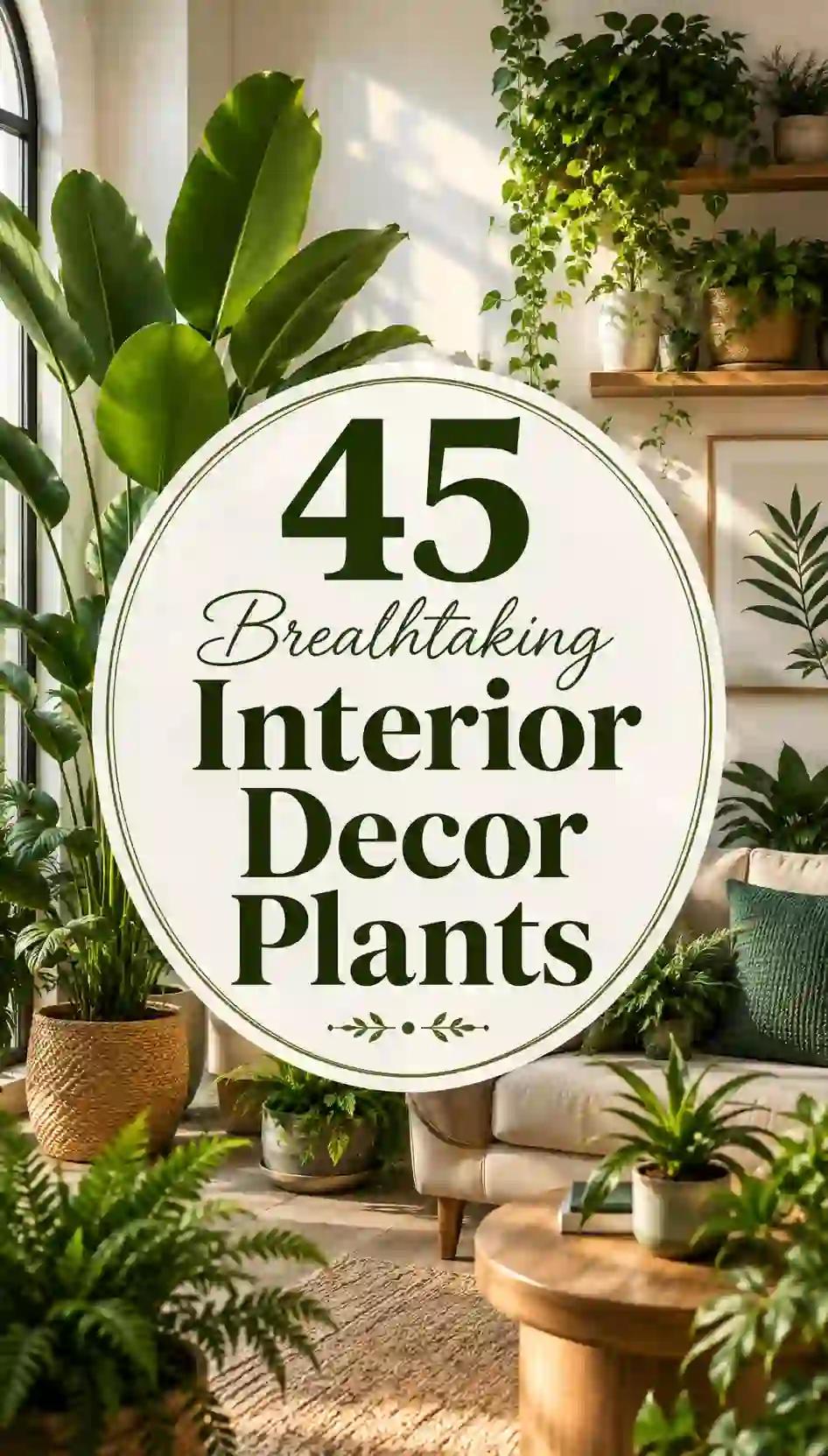
Most indoor plants die for a simple reason: the light in the room does not match the plant. A plant that needs bright indirect light will fade in a north-facing corner, and a sun-loving plant will scorch on a south-facing sill in summer. Before buying anything, spend one day noting which windows get direct sun, for how long, and which corners never get any — that one observation prevents most failures.
Start with three plants, not ten, and a budget of £30 to £90 for plants and pots. Three plants in different positions — one floor plant, one shelf plant and one table plant — show how a room responds to greenery without overwhelming it, and they are easier to water and check than a whole collection bought at once.
How do you test the light in a room?
Hold your hand about 30 centimetres above a surface at midday and look at its shadow. A sharp, dark shadow means direct sun; a soft, faint shadow means bright indirect light; almost no shadow means low light. Repeat the test in the morning and late afternoon, because a room that is bright at noon can be dark by 4 p.m. in winter, when daylight may last only seven to eight hours.
Record the result for each spot you intend to use, rather than relying on memory. A simple note — “living room corner: bright indirect, morning only” — is enough, and it stops the common mistake of moving a plant to a prettier but darker spot later.
Which plants cope with low light?
Snake plants, ZZ plants and pothos are the usual starting points for low light, because they tolerate both shade and irregular watering. A snake plant in a pot 20 to 25 centimetres wide can go two to three weeks between waterings in winter, while a pothos will trail 60 to 90 centimetres from a shelf within a year if it is healthy.
Low light does not mean no light. Even these plants need some daylight, and a plant placed more than 3 metres from the nearest window in a dark room will slowly weaken. If a room has no window at all, choose a plant for a different room, or use a grow light for 8 to 12 hours a day, rather than expecting a plant to survive on artificial room lighting alone.
What thrives in bright, indirect light?
Most popular houseplants, including monstera, philodendron and rubber plants, prefer bright indirect light — near a window, but not in direct sun. A monstera in a pot 30 centimetres wide can reach 120 centimetres tall within two years in good conditions, so allow for growth when choosing its position, rather than squeezing it into a corner it will outgrow in six months.
Turn the pot a quarter turn every two weeks so growth stays even. Without rotation, a plant will lean towards the window within a month, and the shaded side will become sparse. That one habit matters more than fertiliser for keeping a plant looking balanced.
How do you choose a statement plant for a living room?
Choose one plant that is at least two-thirds the height of the furniture beside it. A 90-centimetre plant beside a 120-centimetre sofa looks intentional; a 30-centimetre plant in the same spot looks lost. A fiddle-leaf fig, bird of paradise or large monstera works as a statement plant, but each needs bright indirect light and a pot with drainage, so check the light first.
Place the statement plant where it can be seen from the doorway, not hidden behind a door or a curtain. If the only bright spot is beside a radiator, choose a different plant: hot, dry air within 60 centimetres of a radiator will dry out leaves faster than low light will.
What works on a shelf, a desk and a bedside table?
Trailing plants work best on shelves, because their growth is the decoration. A pothos or string of pearls on a shelf 180 centimetres high will trail downwards and soften the shelf edge, whereas a tall upright plant on the same shelf will hit the ceiling. Keep trailing plants away from walkways where they can be brushed or pulled.
On a desk or bedside table, choose a plant no wider than 20 centimetres, so it does not crowd the working surface. A small succulent, peperomia or miniature snake plant fits that limit. The same shelf-editing principle applies here as to books: this guide to making a bookshelf look intentional explains why grouping in threes works better than lining up single items.
How do you water without killing the plant?
Check the soil before watering: push a finger 2 to 3 centimetres into the compost, and water only if it feels dry. Most houseplants die from overwatering, not underwatering, because roots sitting in water rot within days. Water thoroughly until water runs from the drainage holes, then empty the saucer — do not leave the plant standing in water.
In winter, reduce watering by about half, because growth slows and the compost dries more slowly. A plant watered weekly in summer may need water only every two to three weeks in winter. If leaves yellow and the soil is wet, stop watering and let the compost dry out before watering again.
What about pets, children and small spaces?
Many common houseplants are toxic if eaten by pets or young children, so check the plant label or a reliable plant database before buying, and keep any plant you are unsure about out of reach. Hanging planters and high shelves are useful in small flats, provided they are fixed securely and the plant can still be reached for watering — a plant that cannot be watered easily will be neglected.
In a small flat, use vertical space: one wall shelf 80 centimetres wide holds three small pots, and a tiered stand holds four to five plants in the footprint of one floor plant. That approach keeps floor space clear, which matters more in a studio than in a large living room.
How do pots, seasons and moving plants outdoors fit in?
Choose a pot 2 to 5 centimetres wider than the nursery pot, with drainage holes. A pot that is much larger holds too much wet compost and increases the risk of rot. Terracotta dries out faster than glazed ceramic, so it suits plants that prefer dry soil, while glazed pots suit plants that prefer consistent moisture.
In summer, some houseplants can spend time outdoors in shade, but they must be brought in before night temperatures fall below about 10 degrees Celsius, and they should be checked for pests before returning indoors. A sheltered patio is a good summer spot: the ideas in this guide to a small patio that works show how to place plants where they get light without being scorched.
Questions readers ask
How many indoor plants should a beginner start with? Three is a good number: one floor plant, one shelf plant and one table plant. That gives experience with different light and watering needs without a large outlay or a heavy care routine.
Why are my plant’s leaves turning yellow? The most common cause is overwatering, especially if the soil feels wet. Check drainage, let the compost dry out, and only then resume watering. Yellow leaves can also follow a sudden move to a much darker or brighter spot.
Can plants survive in a windowless bathroom? Not reliably. Even low-light plants need some daylight. A bathroom with a small frosted window can work for a pothos or ZZ plant, but a windowless bathroom will need a grow light or a different plant location.
How often should indoor plants be repotted? Most need repotting every one to two years, or when roots fill the pot and water runs straight through. Repot in spring, into a pot only slightly larger than the old one, with fresh compost.
Are indoor plants safe around pets? Some are, and some are not, so check each variety before buying. Keep any plant you are unsure about out of reach, and check the label or a reliable plant database rather than assuming a plant is safe because it is widely sold.
Indoor plants work when light, pot size and watering match the plant, not when a room is filled with greenery at random. Test the light, start with three plants, and let them grow into their spots — that is the whole approach.
When buying, inspect the plant before paying: check the underside of leaves for pests, look for firm green growth rather than yellow or drooping leaves, and check that the pot drains freely. A healthy plant in a nursery pot is a better buy than a larger plant already struggling in a decorative pot with no drainage.
Finally, wipe large leaves with a damp cloth every few weeks. Dust blocks light and dulls the foliage, and a quick wipe is also a useful check for pests and new growth. That small routine, done monthly, keeps plants looking cared for rather than merely placed.


6 Comments on “Which Plants Actually Survive Indoors — and Where to Put Them”