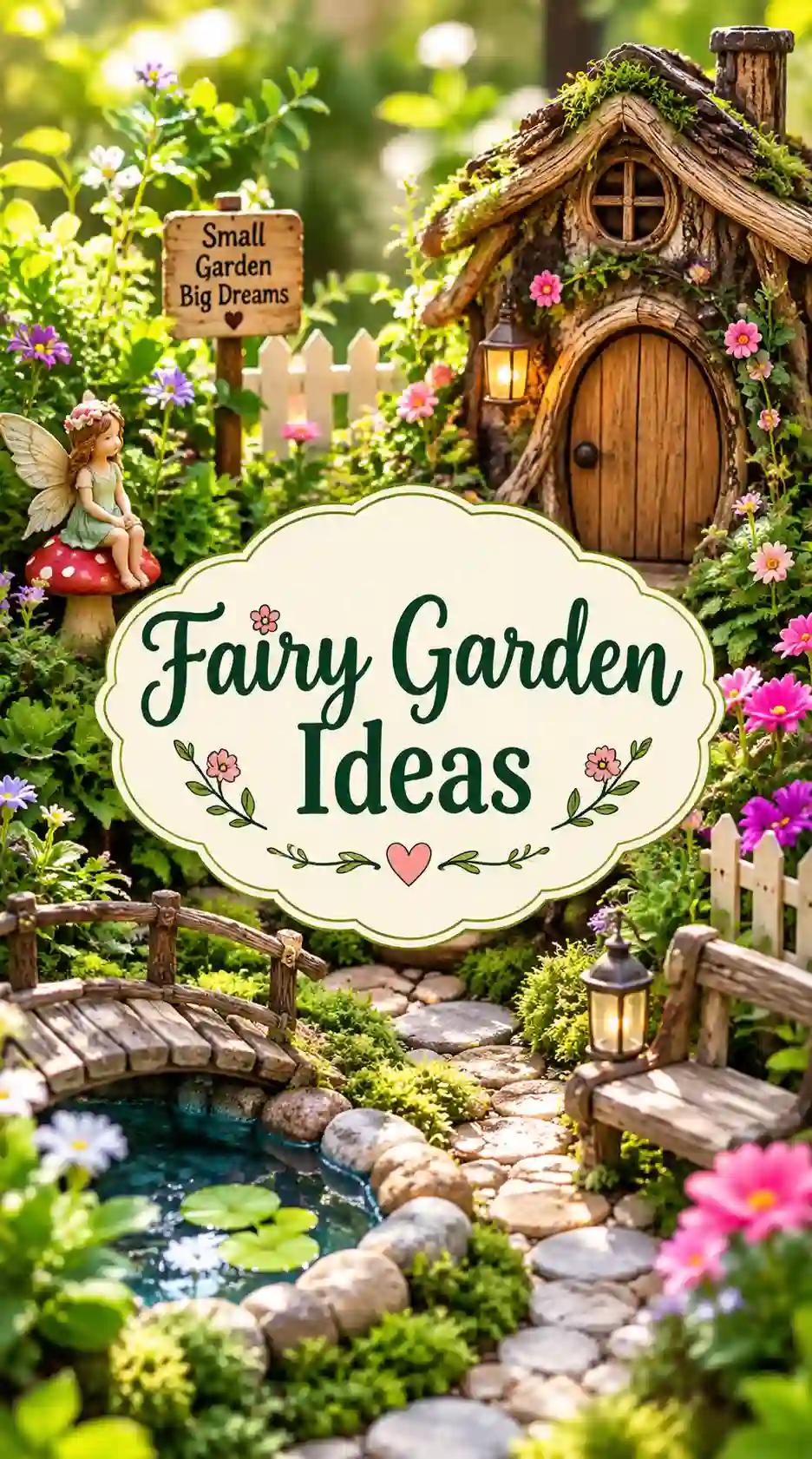
There is a very specific moment that happens the first time someone builds a fairy garden. They set the last tiny bench or the little pebble path in place, step back, and something in their face changes, almost like they surprised themselves. I have seen this happen with eight year olds and I have seen it happen with grown adults who insisted the whole project was really for their kids or grandkids. It never actually is. Fairy gardens have this quiet way of pulling grown ups back into a kind of play they forgot they were allowed to enjoy.
Fairy garden ideas get treated sometimes like a passing craft trend, something you see on a shelf at a discount store and move past without much thought. I understand why that happens, because a lot of mass produced fairy garden kits genuinely do look a little flat and generic. But when you actually sit down and build one with intention, choosing your own containers, plants, and tiny details, the whole thing becomes something closer to storytelling than decorating.
This guide is everything I have learned from building fairy gardens over the years, both for my own yard and for projects with friends, neighbors, and family. We are going to cover containers, plants, pathways, seasonal changes, indoor versus outdoor setups, and the small details that make a fairy garden feel genuinely magical instead of just a pile of miniature plastic furniture stuck in a pot.
Let us start building.
Related Post : Raised Garden Bed Ideas: The Ultimate Guide to Building a Thriving, Beautiful Garden
Why Fairy Garden Ideas Have Captured So Many Imaginations
There is something genuinely disarming about a miniature world. Fairy garden ideas tap into a very old, very human fascination with anything scaled down, tiny houses, dollhouses, model trains, and yes, entire little landscapes built for imaginary fairies passing through your backyard.
Part of the appeal is control. A fairy garden is a world you get to build entirely on your own terms, choosing every tiny path, every little bench, every flower, with no rules beyond your own imagination. In a life that often feels chaotic and hard to manage, there is a real comfort in creating a small, complete world that fits entirely inside a pot or a corner of your yard.
Fairy garden ideas also carry a genuine sense of history behind them, tracing back over a century to miniature landscape displays that first captured public attention at a world’s fair, long before social media turned this into a viral trend. That kind of staying power says something. This is not simply a fad born from a single viral video, it is something people have found genuinely delightful for generations.
I have watched fairy gardens become a bonding project between grandparents and grandchildren, a quiet solo hobby for someone going through a stressful season of life, and a genuinely impressive garden feature that guests cannot help but crouch down and admire the moment they spot it. Few garden projects offer that same range of emotional reward for such a relatively small investment of time and money.
Getting Started With Fairy Garden Ideas for Complete Beginners
Before diving into specific themes and containers, it helps to understand the basic building blocks that every successful fairy garden shares, regardless of how simple or elaborate the final result ends up being.
Every fairy garden needs three core components. A container or defined space, whether that is a pot, a section of your yard, or a repurposed vintage item. Living or artificial plants that establish the scale and greenery of the miniature landscape. And small scale accessories, like furniture, figurines, or structures, that bring the story of the space to life.
Start by deciding whether your fairy garden will live indoors or outdoors, since this single decision shapes almost every other choice you make from here forward, including your plant selection, your materials, and how much weather protection your accessories will need.
Choose your location thoughtfully if you are building outdoors. A spot that gets partial sun, is relatively sheltered from strong wind and heavy rain, and is easy to reach for regular watering and small adjustments will set you up for a much easier ongoing experience than a spot that is technically pretty but genuinely inconvenient to maintain.
Resist the urge to buy an expensive premade kit right out of the gate if you are just starting out. Some of the most charming fairy garden ideas I have seen were built almost entirely from items already sitting around someone’s house or picked up secondhand for next to nothing.
Related Post : 50 Brilliant Small Garden Ideas That Will Transform Your Tiny Outdoor Space
Choosing the Right Container for Your Fairy Garden Ideas
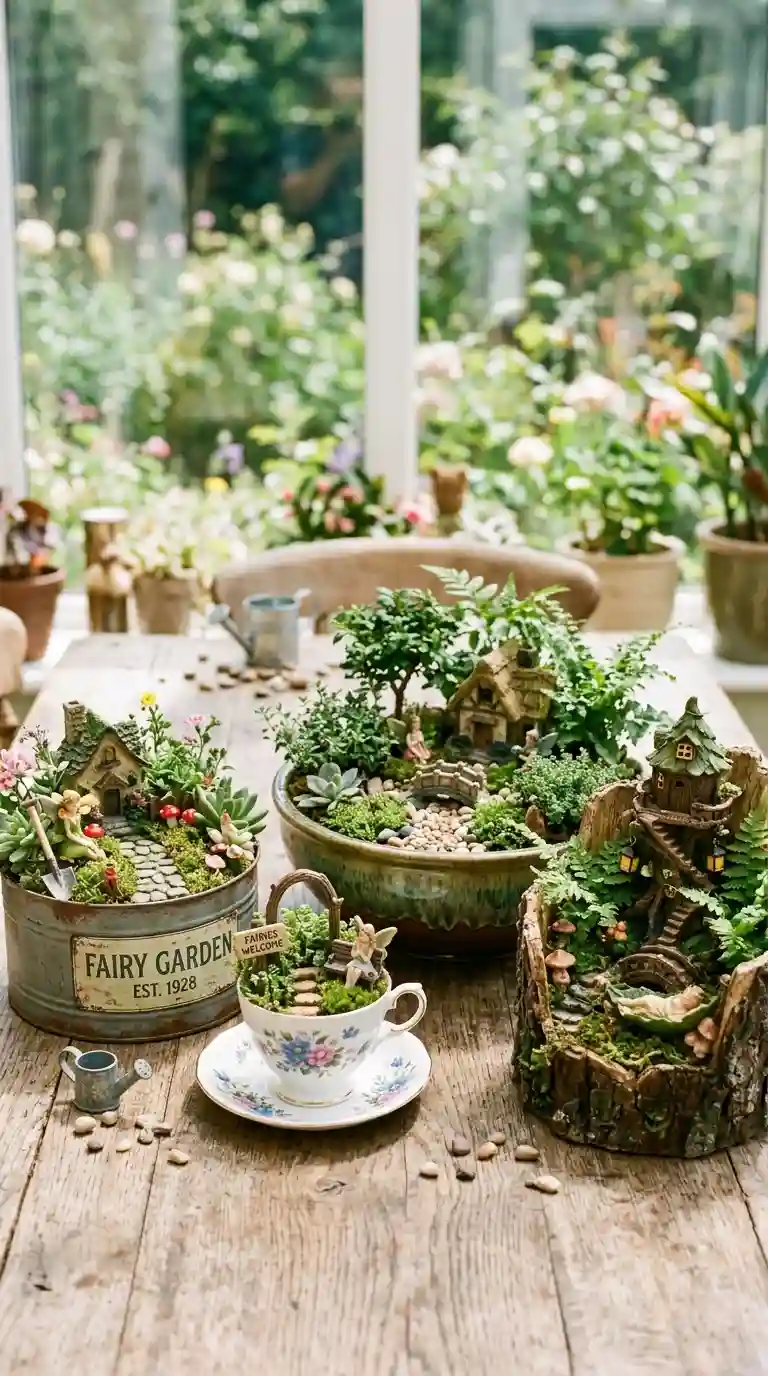
The container you choose sets the entire tone for your fairy garden, and this is genuinely one of the most fun parts of the planning process, since almost anything with a bit of depth can be repurposed into a miniature landscape.
Traditional shallow bowls, terracotta pots, and wide planters remain the most straightforward option for beginners, offering enough surface area to build a layered little scene without requiring any special modification or repair work before you get started.
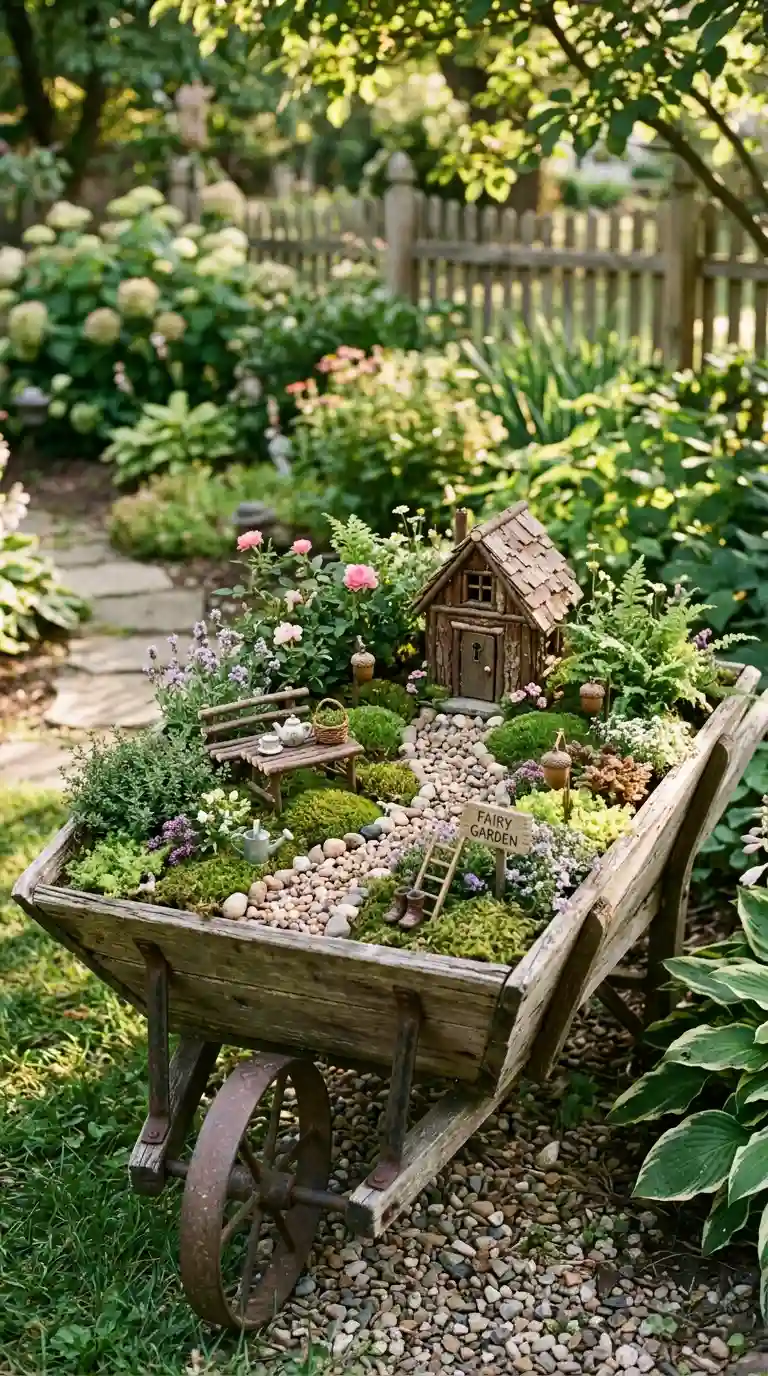
Vintage and upcycled containers bring an enormous amount of charm to fairy garden ideas specifically. An old wagon, a rusted wheelbarrow, a chipped teacup, or a weathered wooden crate all make genuinely wonderful homes for a miniature scene, and they tend to look far more interesting and personal than a brand new plastic pot bought specifically for the project.
Tree stumps and hollowed out logs create a genuinely enchanting, naturalistic feel for outdoor fairy garden ideas, particularly if you already have one sitting in your yard that has not been serving much purpose. The natural texture and bark detail do a lot of the visual storytelling for you before you even add a single accessory.
Old drawers, suitcases, and even broken flower pots turned on their side offer a genuinely clever way to repurpose something that might otherwise get thrown away, giving your fairy garden a bit of a backstory and character that a brand new container simply cannot replicate.
Whatever container you choose, make sure it has adequate drainage if you are using live plants, either through existing holes or by drilling a few yourself, since standing water will quickly rot roots and undo an otherwise beautifully built fairy garden.
Plant Selection for Fairy Garden Ideas
Plants are the living, breathing heart of any good fairy garden, establishing scale, texture, and a genuine sense of a tiny, thriving landscape rather than just a collection of miniature props arranged in soil.
Moss remains one of the single most useful materials across nearly every fairy garden idea, functioning almost like a miniature lawn that instantly makes tiny furniture and pathways look proportionally correct within the scene. It is soft, low maintenance, and visually reads as grass at a fairy sized scale in a way that regular turf simply cannot replicate.
Miniature and dwarf plant varieties are worth seeking out specifically for fairy garden projects, since a full sized plant can quickly overwhelm the scale of your tiny scene. Look for dwarf varieties of common garden plants, miniature roses, dwarf conifers, and other slow growing, naturally small options.
Succulents have become an increasingly popular choice within fairy garden ideas, particularly for indoor setups, thanks to their low water needs and naturally sculptural, tree like shapes that can stand in beautifully as miniature shrubs or even small trees within your scene.
Ground covers like creeping thyme or baby tears spread low and lush, creating a naturalistic carpet effect that pairs beautifully with a pebble pathway or a tiny bench placed directly on top of the greenery.
Seasonal flowering plants, including miniature roses, dwarf fuchsias, and small pansies, bring genuine color and life into your fairy garden, and rotating these seasonally is one of the easiest ways to keep an established fairy garden feeling fresh throughout the year.
Building Pathways and Structures Into Your Fairy Garden Ideas
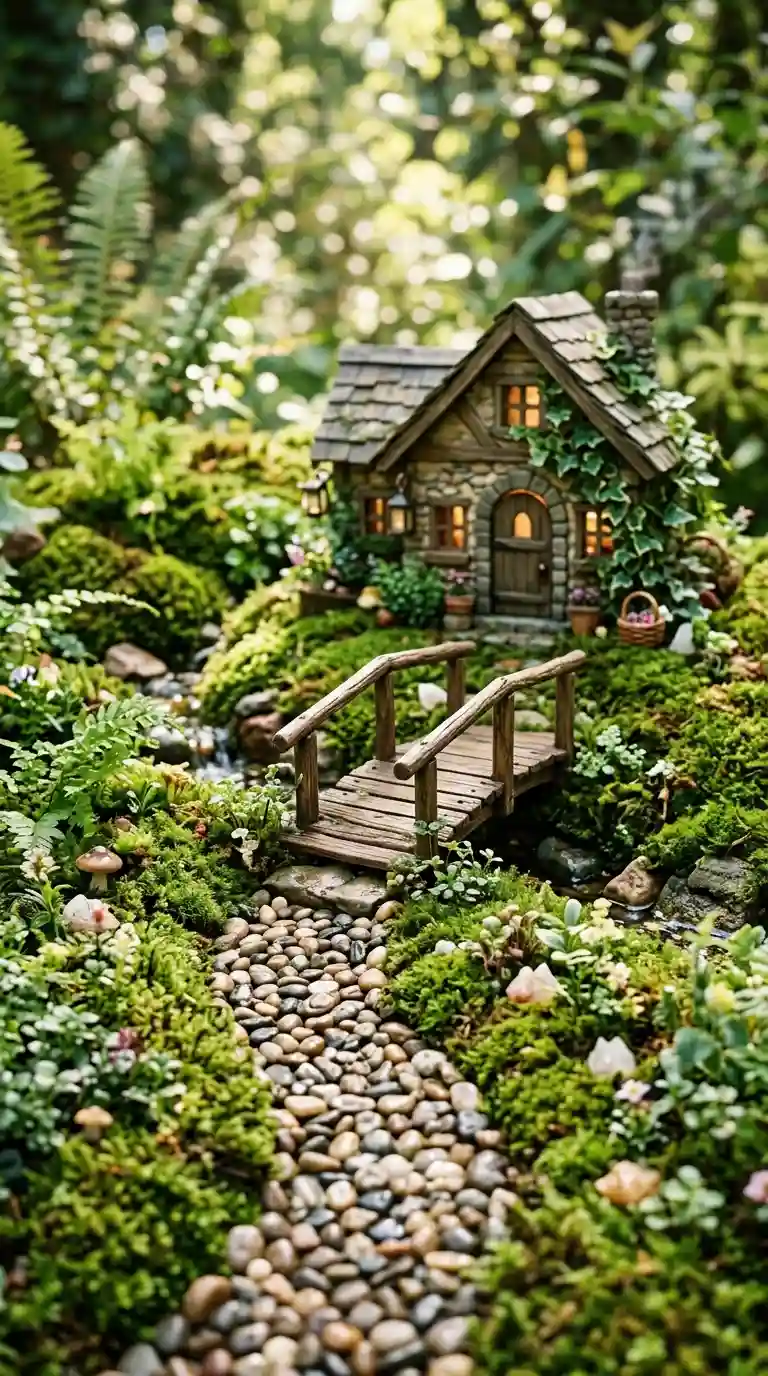
Pathways and small structures are often what genuinely elevates a fairy garden from a simple potted plant with some figurines on top into something that feels like an actual tiny world with its own sense of place and movement.
Pea gravel and small aquarium stones make excellent pathway material, since their scale reads correctly against miniature furniture and figurines in a way that regular sized garden gravel simply cannot. A winding path of these small stones instantly suggests a story, a route the fairies might travel from their front door down to a garden bench.
Colored aquarium gravel can double as a faux pond or stream when arranged in a shallow depression, bringing a water feature into your fairy garden without the maintenance complexity of an actual working water element.
Small twigs and bark pieces work beautifully as fencing, bridges, or roofing material for any tiny structures within your scene, and they cost absolutely nothing if you simply collect them from your own yard during a walk outside.
A tiny cottage or house, whether purchased or handmade from something as simple as a small cardboard structure covered in natural materials like bark, moss, and dried leaves, often becomes the genuine centerpiece of a fairy garden, giving the entire scene a clear focal point and a sense of who actually lives there.
Miniature furniture, including tiny benches, tables, and even a small swing, adds personality and narrative detail, suggesting daily fairy life happening within your garden rather than just a static, empty landscape.
Must Read : 60 Breathtaking Vertical Garden Ideas That Will Instantly Transform Your Small Space
Fairy Garden Ideas for Outdoor Spaces
Building a fairy garden directly outdoors, whether in a dedicated garden bed, tucked into a larger flower border, or set up in a container on your patio, opens up genuinely wonderful possibilities that indoor setups simply cannot match.
An in ground fairy garden nestled at the base of a larger tree or shrub creates a genuinely magical sense of scale, as though the fairies have simply set up their tiny world within the shade of a much larger, ancient forest from their own miniature perspective.
Repurposed garden items like an old wheelbarrow, wagon, or oversized boot make wonderful containers for an outdoor fairy garden, and these larger vessels give you significantly more room to build out an elaborate scene compared to a small tabletop container.
Weather considerations matter more outdoors than anywhere else in your fairy garden ideas. Choose durable, weather resistant materials for any structures or furniture, and consider bringing more delicate accessories inside during particularly harsh weather to extend their lifespan.
Wildlife friendly elements, like a small dish of water or specific plants that attract pollinators, add a genuinely lovely layer of real life activity to an outdoor fairy garden, blending the imaginary world you have built with actual visiting bees, butterflies, and birds.
Seasonal camping and picnic themed fairy gardens work particularly well outdoors, using a small bistro table cut from a fallen branch, propped up on short sticks, alongside a tiny campfire ring made from pebbles and a tuft of orange yarn standing in for flames.
Fairy Garden Ideas for Indoor Spaces and Small Homes
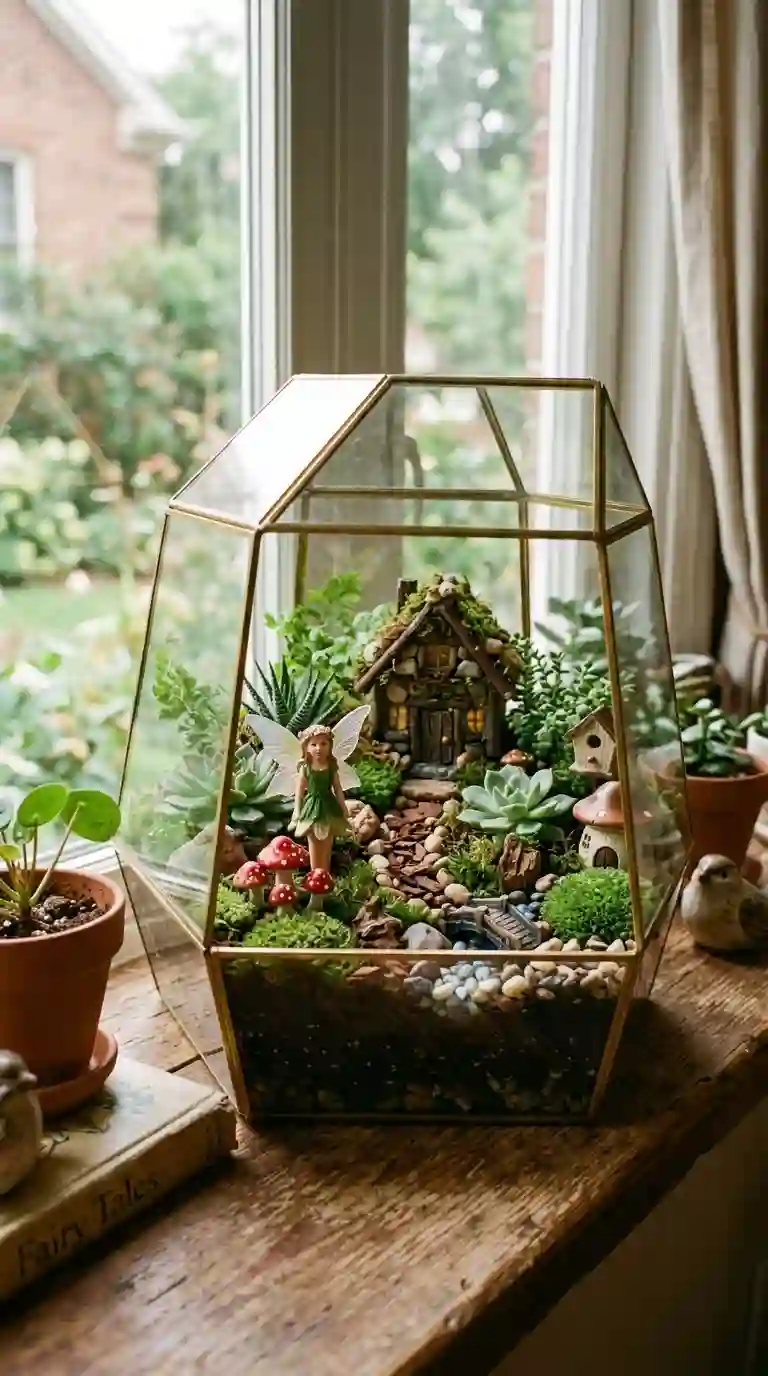
Not everyone has outdoor space to dedicate to a fairy garden, and indoor fairy garden ideas have genuinely flourished as a wonderful alternative, particularly for apartment dwellers or anyone wanting a year round project unaffected by weather.
Terrariums offer one of the most popular indoor fairy garden formats, combining a clear glass container with carefully layered soil, moss, and small plants to create a genuinely self contained miniature world that also happens to look beautiful sitting on a shelf or windowsill.
Succulent based indoor fairy gardens work particularly well for anyone without a lot of natural light or a consistent watering schedule, since these plants tolerate neglect far better than more delicate greenery while still providing the sculptural, tree like presence your miniature scene needs.
A simple bowl or shallow dish placed on a kitchen windowsill can become a lovely, low commitment introduction to fairy garden ideas for anyone unsure whether they want to invest in a larger project just yet.
Kids room fairy gardens, built with genuinely durable, washable materials, offer a wonderful sensory play project for children, combining hands on gardening basics with imaginative storytelling in a format that is easy to supervise and safely contained indoors.
Seasonal indoor fairy gardens, changed out every few months, let you experiment with different themes throughout the year without the commitment of a permanent outdoor installation, from a spring garden filled with tiny tulips to a cozy winter scene with faux snow and tiny pinecones.
Seasonal Fairy Garden Ideas Throughout the Year
One of the most enjoyable aspects of an established fairy garden is how naturally it lends itself to seasonal change, letting you refresh the same basic container or space multiple times a year without starting entirely from scratch.
Spring fairy garden ideas often center around fresh blooms, using miniature tulips, tiny daffodils, or dwarf pansies arranged around a small container or urn, celebrating the same sense of renewal that the broader garden experiences after a long winter.
Summer fairy gardens tend to lean into their most lush, full presentation, taking advantage of peak plant growth to create a genuinely thriving, verdant miniature landscape complete with tiny outdoor furniture arranged as though the fairies are enjoying the warm weather themselves.
Autumn fairy garden ideas embrace the natural materials already scattered around most yards this time of year, incorporating small acorns, dried leaves, and miniature pumpkins into the scene for a cozy, harvest themed feeling.
Winter and holiday fairy gardens bring a genuinely charming, cozy quality, using tiny popsicle stick fences, small pine branches, and even a bit of faux snow or white sand to suggest a quiet, snow covered scene, complete with miniature holiday decorations if you want to lean into the season fully.
Rotating your fairy garden through these seasonal changes keeps the project feeling fresh and gives you a natural, recurring excuse to revisit and refine your tiny world several times throughout the year rather than treating it as a single, static, one time creation.
Read Also : 45 Breathtaking Interior Decor Plants That Instantly Transform Any Room Into A Living Sanctuary
Themed Fairy Garden Ideas Worth Trying
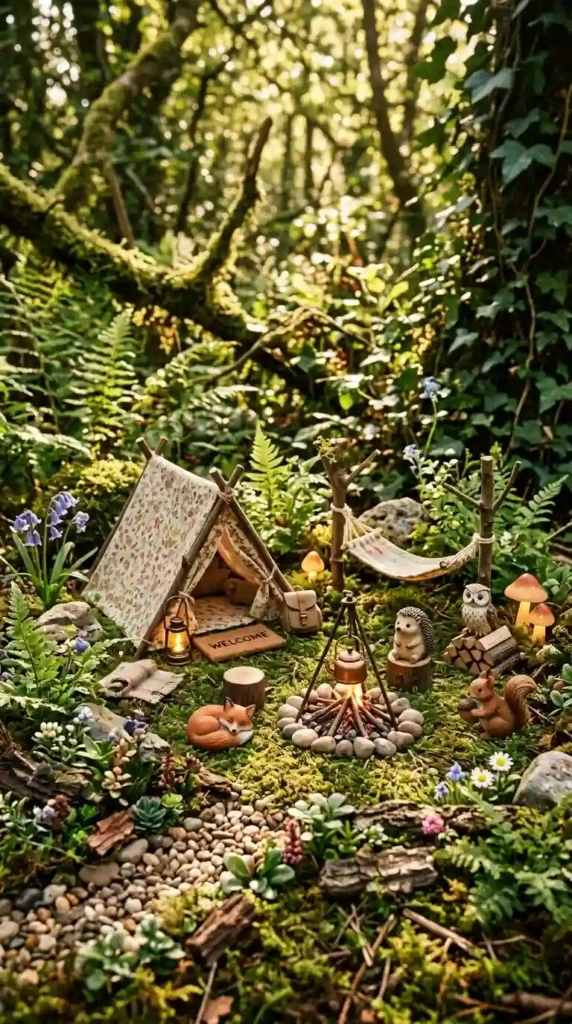
Beyond the basic cottage and garden bench setup, fairy garden ideas offer nearly endless room for a specific theme or story, and choosing a clear concept often makes the whole project feel more cohesive and intentional.
A camping themed fairy garden, complete with a tiny tent, a pebble fire ring, and miniature camp chairs, tells a genuinely charming little story of fairies enjoying a weekend getaway, and it works particularly well in a raised garden bed with a bit of open, sunny space.
A woodland creature fairy garden incorporates small toy animals alongside the traditional fairy figures, using tiny deer, rabbits, or foxes to suggest a broader, shared miniature ecosystem beyond just the fairies themselves.
A gnome themed fairy garden has genuinely surged back into popularity recently, drawing on a much older garden tradition than most people realize. Pairing handmade or purchased gnome figures alongside your fairy elements creates a lovely blend of two closely related whimsical garden traditions.
A beach or coastal themed fairy garden, using small shells, sand, and tiny driftwood pieces, offers a genuinely fresh twist for anyone tired of the classic woodland cottage aesthetic, particularly well suited to a shallow, wide container.
A fairy tale castle theme, built around a small tower or turret structure, leans into a more dramatic, storybook feeling, particularly appealing for kids who want their fairy garden to feel like the setting for an actual adventure rather than a quiet, peaceful cottage scene.
Fairy Garden Ideas Using Upcycled and Repurposed Materials
Some of the most charming fairy garden ideas I have ever come across relied almost entirely on items that were otherwise headed for the trash, and this approach genuinely deserves more attention than it usually gets.
Broken terracotta pots, rather than being discarded, can become the foundation of a genuinely clever fairy garden, using the broken pieces to build a small cottage structure or a set of tiny stone steps leading into the scene.
Bottle caps, wine corks, and small jar lids make surprisingly effective miniature furniture and structural elements, from a cork stool to a bottle cap birdbath, giving everyday recycling bin items a genuinely delightful second life.
Old jewelry, buttons, and beads can be repurposed into tiny decorative accents, whether that means a button used as a stepping stone or a bit of costume jewelry transformed into a fairy sized chandelier or wind chime.
Fabric scraps and old ribbon work well for tiny flags, tablecloths, or curtains within a small fairy house structure, adding a layer of soft texture and color that plastic accessories alone cannot replicate.
Popsicle sticks and craft glue remain one of the most versatile, low cost materials for building custom fairy garden structures, from a simple picket fence to a small bridge, and they are genuinely easy for kids to help construct alongside an adult.
How I Approach Building a Real Fairy Garden From Start to Finish
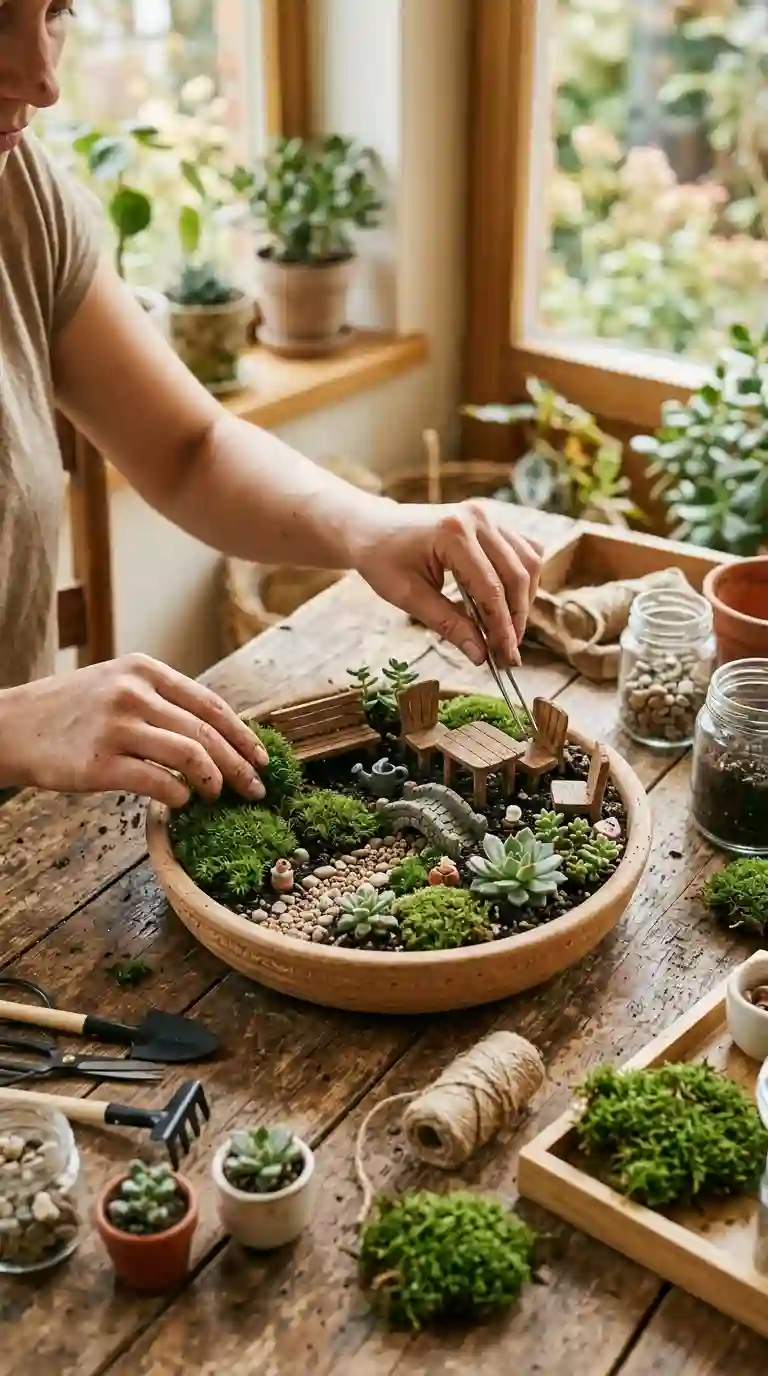
Every fairy garden project I take on starts the same way, with a walk around my own yard or the client’s yard looking for a spot or a container that already has a bit of natural character to it. I genuinely believe the best fairy garden ideas start from something that already feels a little bit magical before you add a single accessory.
I remember building a fairy garden inside an old wheelbarrow that had been sitting unused in my own backyard for years, rusted just enough to look charming rather than neglected. We filled it with a mix of creeping thyme, a few dwarf conifers, and a tiny path made from aquarium gravel leading up to a small popsicle stick fence. What started as a way to reuse an old piece of junk became genuinely one of my favorite garden features, and neighbors regularly stop to admire it during a walk.
I have also worked with families building a fairy garden specifically as a project for their kids, and in those situations, I always encourage leaning into a bit of chaos and imperfection rather than aiming for a magazine perfect result. Some of the most delightful fairy gardens I have seen include a plastic dinosaur standing guard next to a traditional fairy figure, entirely because a child insisted their dinosaur needed to live there too. That kind of genuine, unfiltered imagination is really the whole point of this project.
What I have learned across every fairy garden I have built or helped someone else build is that the most successful projects rarely come from an expensive premade kit followed exactly as instructed. They come from a willingness to repurpose what you already have, choose plants and materials with real texture and character, and let a little bit of imperfect, personal storytelling shape the final result.
Maintaining Your Fairy Garden Over Time
A fairy garden, particularly one built with live plants, needs a bit of ongoing attention to stay looking its best, and a little regular care goes a genuinely long way toward keeping the magic intact.
Water according to your specific plant selection, checking soil moisture regularly rather than following a rigid schedule, since succulents and moss have very different watering needs compared to more traditional flowering plants within the same tiny landscape.
Trim and tidy overgrown plants periodically, since a fairy garden depends on a specific sense of proportion, and a single plant growing too large or wild can quickly throw off the miniature scale that makes the whole scene feel believable.
Clean and reposition accessories occasionally, since outdoor elements in particular tend to shift, fade, or accumulate dirt over time, and a quick refresh keeps tiny furniture and figurines looking crisp rather than weathered in an unintentional way.
Refresh pathway material as needed, since pea gravel or small stones can scatter or sink into soil over time, particularly after heavy rain, requiring an occasional top up to keep your paths looking clean and well defined.
Bring delicate or non weatherproof accessories indoors during particularly harsh weather if your fairy garden lives outdoors, protecting your investment in small figurines or structures that were not necessarily designed to withstand extreme cold, heat, or heavy rain.
Also Read: 45 Beautiful Outdoor Plants For Patio Spaces That Instantly Feel Like A Garden Escape
Fairy Garden Ideas for Kids and Family Projects
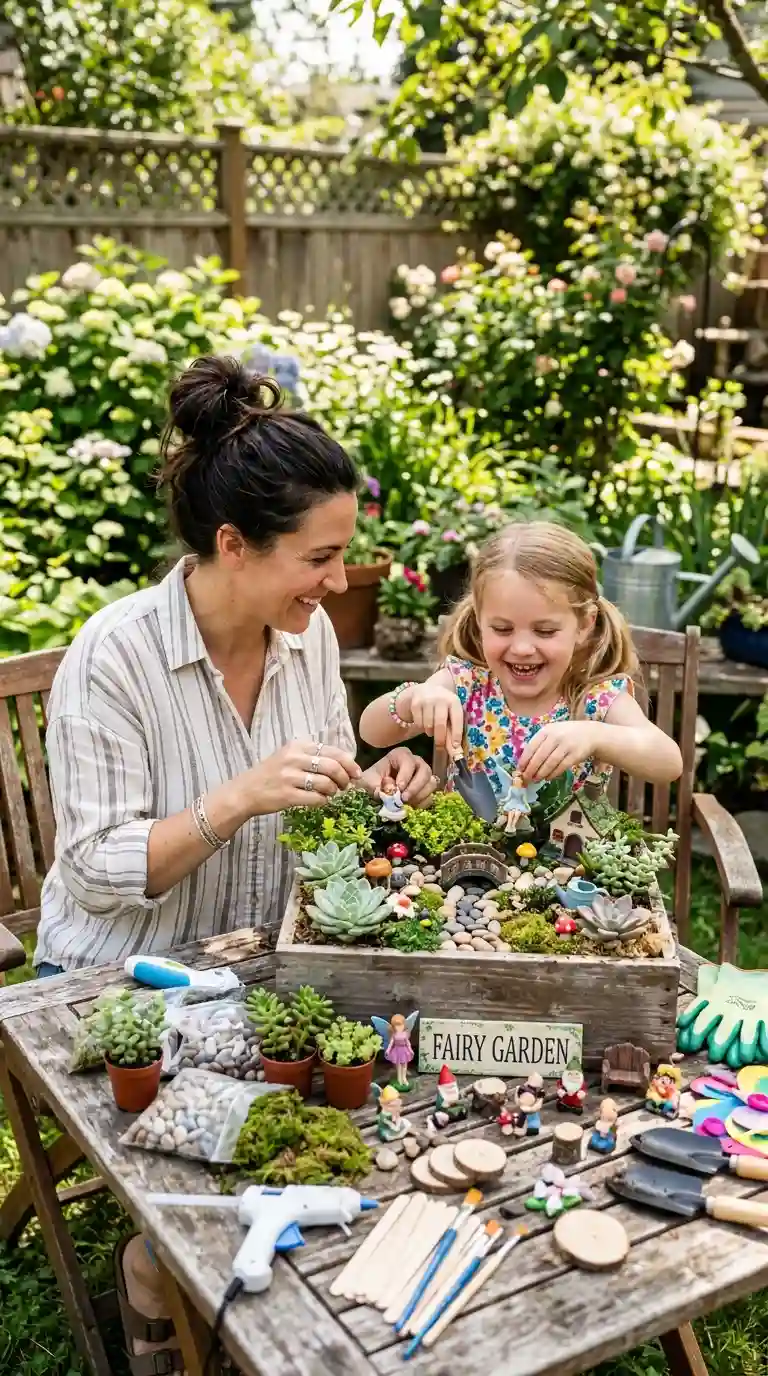
Fairy garden ideas remain one of the most consistently beloved family projects for genuinely good reason, offering a hands on, low pressure way to introduce kids to basic gardening while giving their imagination full creative control over the final result.
Letting kids choose their own theme and figurines, even if their vision leans more toward dinosaurs and monster trucks than traditional fairies, genuinely matters more than achieving a picture perfect, Pinterest style result. The goal is engagement and imagination, not aesthetic perfection.
Durable, washable materials work best for a kids fairy garden project, since young hands will inevitably touch, move, and occasionally drop the various small pieces throughout the building process and beyond.
Simple, low maintenance plants help set kids up for genuine success with the gardening side of this project, avoiding the disappointment that comes from a delicate, high maintenance plant dying quickly under a young caretaker’s well meaning but inconsistent attention.
Revisiting and updating the fairy garden together periodically, whether seasonally or simply whenever a child wants to add a new figurine or rearrange the little scene, keeps the project feeling alive and ongoing rather than a single completed craft that gets forgotten on a shelf.
Budget Friendly Fairy Garden Ideas
You genuinely do not need to spend very much money to create a delightful fairy garden, and some of the most charming examples I have seen relied almost entirely on inexpensive or repurposed materials.
Dollar store finds have become a genuinely reliable source for affordable fairy garden figurines, tiny furniture, and seasonal accessories, and many discount retailers now stock dedicated fairy garden sections specifically because of how popular this hobby has become.
Nature walks around your own neighborhood can supply an enormous amount of free material for your fairy garden, including small stones, twigs, acorns, moss, and interesting bark pieces that would otherwise cost money if purchased from a garden center.
Secondhand shops and yard sales frequently carry vintage containers, small figurines, and interesting decorative odds and ends that work beautifully within a fairy garden, often for a fraction of what a similar new item would cost at a specialty retailer.
Growing your own miniature plants from seed or small cuttings, rather than purchasing established plants, offers a genuinely economical way to fill out a larger fairy garden over time, particularly for easy to propagate ground covers like creeping thyme.
DIY structures made from popsicle sticks, small twigs, and craft glue cost next to nothing while offering genuinely charming, personalized results that a mass produced plastic structure simply cannot replicate in terms of character.
Read Also : 47 Patio Wall Decor Ideas That Will Instantly Transform Your Boring Backyard Into a Stunning Outdoor Retreat
Common Mistakes to Avoid With Fairy Garden Ideas
After building and helping with so many of these projects over the years, certain mistakes come up again and again, quietly undermining an otherwise promising fairy garden.
Choosing plants that grow too large too quickly is probably the most common issue. A full sized plant can overwhelm a miniature scene within just a few weeks, throwing off the entire sense of scale that makes a fairy garden feel believable and magical.
Skipping proper drainage, particularly in a repurposed vintage container without existing holes, leads to waterlogged soil and root rot that can quietly kill even the hardiest plants within a fairy garden over time.
Overcrowding the scene with too many accessories at once can make a fairy garden feel cluttered rather than charming, similar to the way an overstuffed room loses its sense of intentional design. Leaving a bit of open, breathing space within the scene often makes it feel more believable.
Ignoring your local climate and sunlight conditions when selecting plants for an outdoor fairy garden leads to disappointing results, regardless of how carefully you have arranged the miniature furniture and pathways within the space.
Forgetting to plan for maintenance access, particularly for an in ground fairy garden tucked into a hard to reach corner of a larger flower bed, makes ongoing watering and upkeep needlessly difficult, even for an otherwise well designed scene.
FAQ About Fairy Garden Ideas
What is a fairy garden?
A fairy garden is a decorative miniature garden built from small plants, natural materials, and tiny accessories like furniture and figurines, designed to look like a whimsical, scaled down landscape.
What do you need to start a fairy garden?
The basic essentials for any fairy garden idea include a container or defined outdoor space, potting soil, a few small or dwarf plants, and a handful of miniature accessories like figurines, furniture, or pathway material.
Can fairy gardens be built indoors?
Yes, indoor fairy garden ideas are extremely popular, often built inside terrariums, shallow bowls, or containers using succulents or moss, making them a great option for apartments or anyone without outdoor space.
What plants work best for a fairy garden?
Moss, dwarf conifers, creeping thyme, succulents, and miniature flowering plants like dwarf roses or pansies all work particularly well, since their small scale keeps the overall miniature landscape looking proportionally correct.
How do I make pathways in a fairy garden?
Pea gravel, small aquarium stones, or crushed shells are commonly used to create realistic looking pathways within a fairy garden, since their small size reads correctly against miniature furniture and structures.
How do you keep a fairy garden alive?
Regular watering appropriate to your specific plant choices, periodic trimming to maintain proper scale, and protecting delicate accessories from harsh weather all help keep an outdoor fairy garden thriving over time.
Where should I place an outdoor fairy garden?
Choose a spot with partial sun, reasonable shelter from strong wind and heavy rain, and easy access for regular watering and maintenance, since these factors will make ongoing care significantly easier.
Can fairy gardens be seasonal?
Yes, many people update their fairy garden ideas seasonally, swapping in different plants, colors, and small decorative accents to reflect spring blooms, summer lushness, autumn harvest themes, or a cozy winter scene
Final Thoughts on Fairy Garden Ideas
A fairy garden is such a small project in the grand scheme of a yard or a home, and yet building one has a genuine way of pulling people back into a kind of unguarded, imaginative play that adult life rarely makes room for anymore. Whether you build yours outdoors in an old wheelbarrow, indoors inside a simple terrarium, or as a shared project with a child who insists a plastic dinosaur belongs right next to the fairy figures, the real magic lives in the act of creating something tiny and complete with your own two hands.
You do not need a large budget, a big yard, or any special gardening expertise to get started. A little patience, a willingness to repurpose what you already have, and a genuine openness to a bit of whimsy will take you further than following any single tutorial exactly as written.
Whatever direction you take, the best fairy garden ideas are ultimately the ones that make you smile every single time you walk past them. That is really the whole point of building a tiny magical world in the first place.