
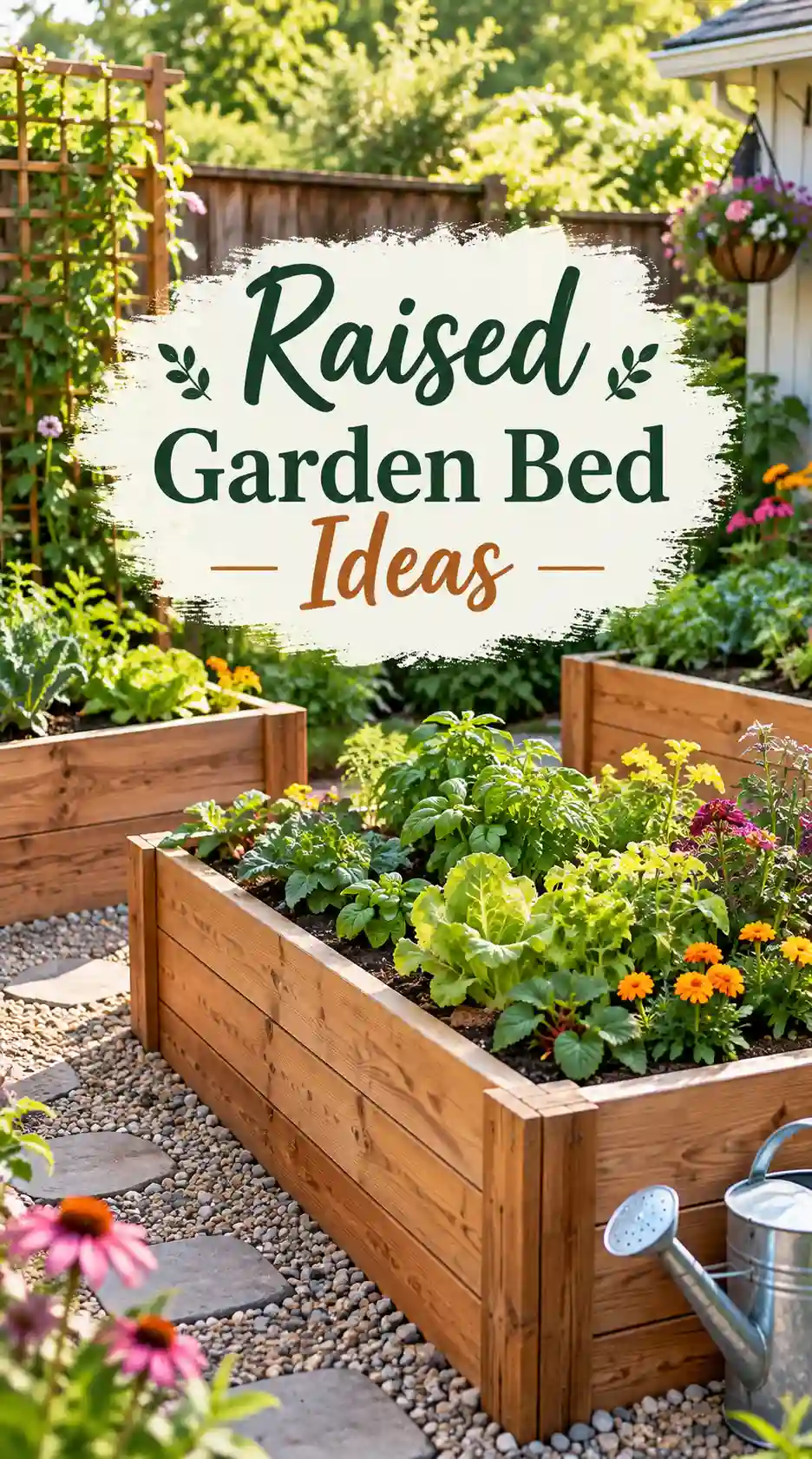
There is a particular kind of pride that comes from walking outside in the morning with a cup of coffee and looking at a row of raised garden beds you built yourself, watching tomatoes ripen or lettuce fill in week after week. I have helped a lot of people get to that exact moment, and I can tell you the path there is a lot less complicated than most people assume before they start.
Raised garden bed ideas get searched constantly for a good reason. They solve so many of the frustrations that come with traditional in ground gardening, poor soil, endless weeding, aching backs, and unpredictable drainage, all in one relatively simple structure. But the sheer number of options out there, wood, metal, stone, kits, DIY builds, can genuinely overwhelm someone who just wants to grow a few tomatoes without turning it into a research project.
This guide pulls together everything I have learned from building, consulting on, and troubleshooting raised garden beds across all kinds of yards, from tiny urban patios to sprawling backyard plots. We will cover materials, sizing, placement, soil, layout, and the small details that separate a raised garden bed that thrives for a decade from one that rots out after two seasons.
Let us dig in.
Also Read : 50 Brilliant Small Garden Ideas That Will Transform Your Tiny Outdoor Space
Why Raised Garden Bed Ideas Have Become So Popular
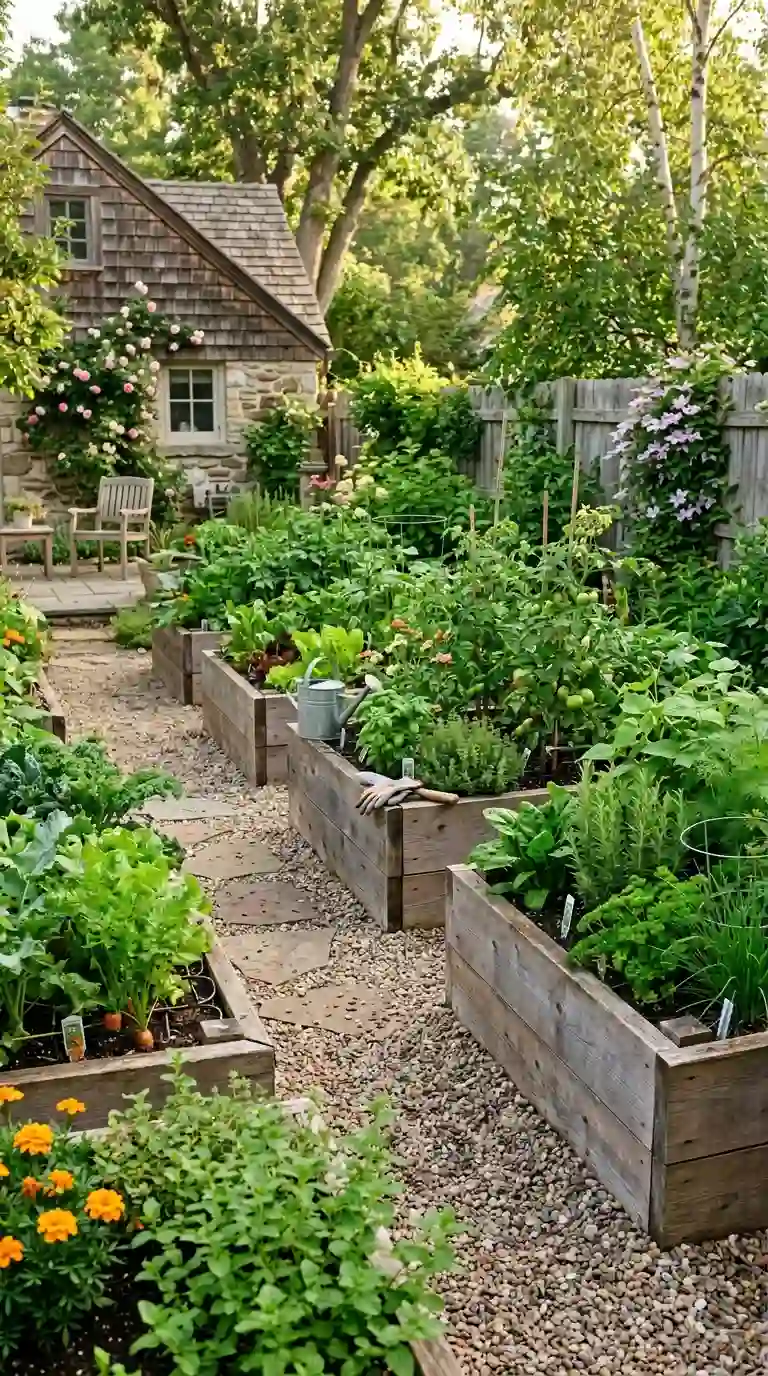
There is a reason raised garden bed ideas keep showing up at the top of every gardening search, and it comes down to something pretty simple. They solve real problems that in ground gardening genuinely struggles with, especially for beginners who do not yet have a feel for their yard’s specific soil conditions.
A raised garden bed gives you complete control over your soil quality from day one. Instead of fighting with compacted clay, rocky ground, or soil contaminated from years of previous landscaping, you fill the bed with a mix built specifically for healthy root growth. That single advantage alone explains a huge portion of why raised garden bed ideas have taken over so much of the gardening conversation in recent years.
Drainage improves dramatically with a raised structure as well. Water moves through an elevated bed more evenly than it does through compacted ground, which reduces the risk of root rot and the kind of soggy, waterlogged soil that quietly kills more plants than people realize.
Raised garden bed ideas also solve a very real physical problem for a lot of gardeners. Taller beds, in particular, reduce the amount of bending and kneeling required to tend a garden, which matters enormously for anyone dealing with mobility limitations or simply wanting to avoid the knee pain that comes with hours of traditional ground level gardening.
Beyond the practical side, raised beds have become a genuine design element in modern outdoor spaces. Rather than being tucked away in a hidden corner of the yard, well built raised garden beds now function almost like architecture, creating structure, defined pathways, and visual rhythm throughout an entire backyard.
Choosing the Right Material for Your Raised Garden Bed Ideas
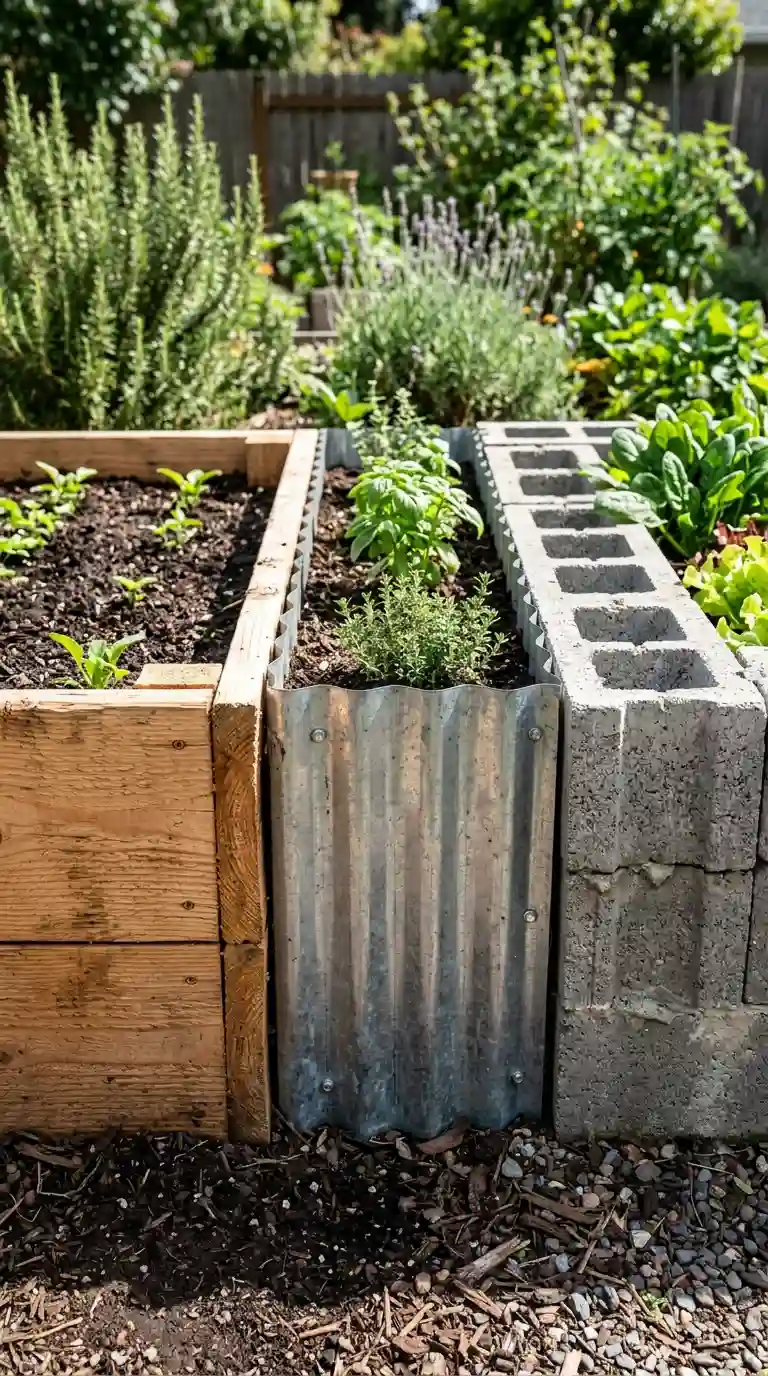
Material choice is probably the single most important decision within any collection of raised garden bed ideas, since it directly affects cost, lifespan, appearance, and how much maintenance you will realistically be dealing with over the years ahead.
Cedar and redwood remain the gold standard for wooden raised garden bed construction, thanks to their natural resistance to rot and insect damage. Cedar in particular tends to cost less than other premium hardwoods while still holding up beautifully for many years, which explains why it remains one of the most requested materials in raised garden bed ideas across every style of garden.
Untreated pine and other softer woods offer a genuinely budget friendly entry point into raised bed gardening, particularly for anyone testing out the concept before committing to a more permanent, premium material. These beds typically need replacing sooner, often within a handful of seasons, but they are a smart, low risk way to start.
Galvanized steel has become one of the fastest growing trends among raised garden bed ideas, and for good reason. These beds offer exceptional durability, often lasting decades with minimal maintenance, and the sleek, slightly industrial look pairs beautifully with both modern and rustic garden styles. Corrugated metal beds in particular bring genuine texture and visual interest to a yard.
Concrete block and stone raised garden beds offer a genuinely permanent, architectural option for anyone wanting their garden structure to feel like a true built in feature of the landscape rather than something that could be moved or replaced easily. These tend to require more upfront labor and cost, but the payoff is a structure that will realistically outlast almost every other material on this list.
Repurposed materials, including old stock tanks, wine barrels, or even stacked concrete pavers, offer some of the most creative and budget conscious raised garden bed ideas available, giving a garden genuine character while keeping costs low.
Fabric grow bags have carved out their own popular niche within raised garden bed ideas, particularly for renters or anyone working with a temporary or highly flexible space. These breathable containers support excellent drainage and root health, and they can be moved, folded up, and stored away entirely when not in use.
Must Read : 45 Breathtaking Interior Decor Plants That Instantly Transform Any Room Into A Living Sanctuary
Wood Raised Garden Bed Ideas Worth Considering
Wood remains one of the most beloved materials within raised garden bed ideas, and it is easy to understand why. It looks natural, it is relatively easy to work with for a DIY project, and it blends seamlessly into almost any backyard aesthetic.
Untreated cedar is worth prioritizing specifically for anyone growing edible plants, since it avoids any risk of chemical leaching into the soil that can sometimes come with pressure treated lumber. While pressure treated wood has improved significantly over the years, a lot of experienced gardeners still prefer to play it safe with a naturally rot resistant, untreated wood option.
Thicker lumber, generally two inches or more, will genuinely outlast thinner boards, even within the same wood species, so it is worth spending a bit more upfront on sturdier material rather than needing to rebuild your raised garden bed within just a couple of growing seasons.
Simple rectangular builds remain the most straightforward wood raised garden bed idea for a first time DIY project, requiring only basic tools and a handful of screws or brackets to assemble a sturdy, functional structure.
More elaborate wood designs, including stepped or tiered raised beds, add genuine visual interest and can make a compact space feel fuller and more dynamic, since each tier introduces a new level and a new planting opportunity within the same overall footprint.
Metal Raised Garden Bed Ideas for a Modern Look
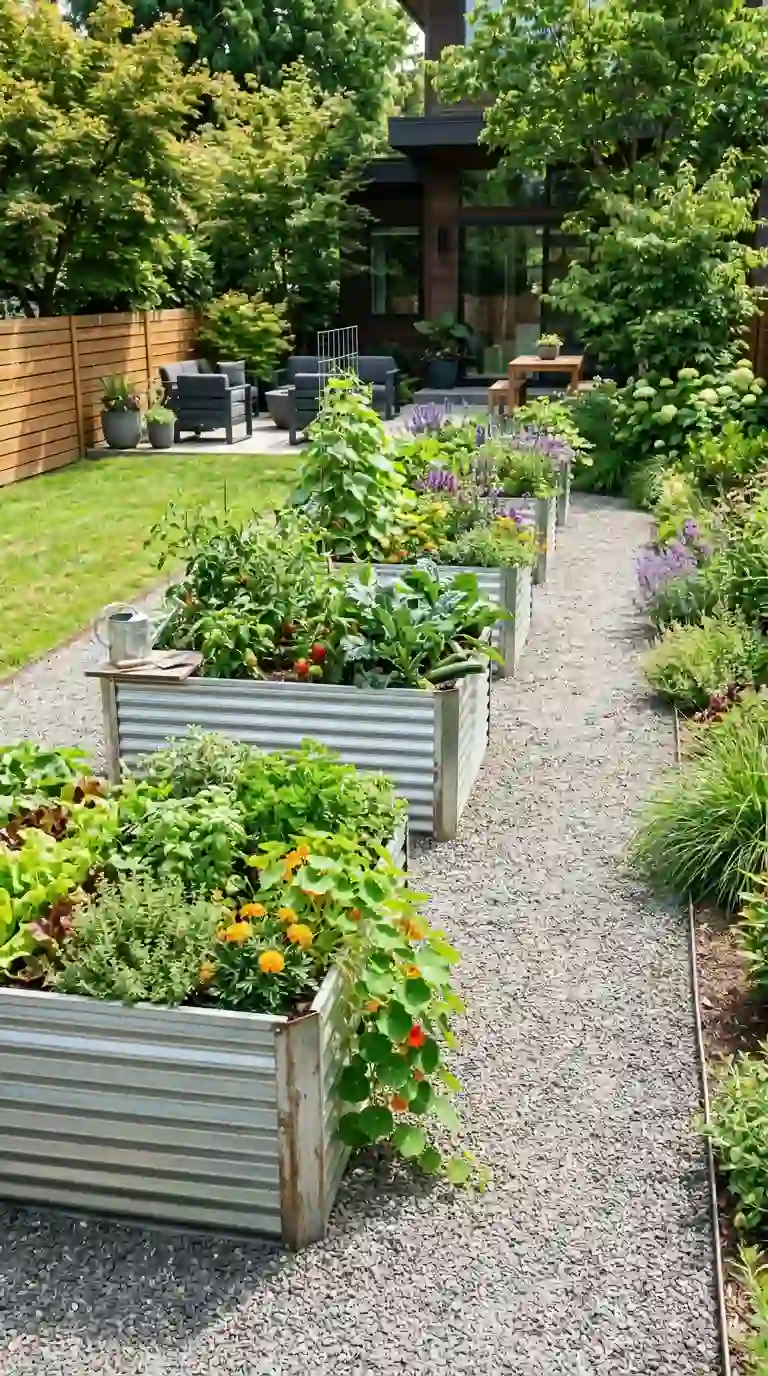
Metal raised garden bed ideas have surged in popularity recently, and once you see one done well, it is easy to understand the appeal. The clean lines and durable construction give a garden a genuinely current, architectural feeling that wood simply cannot replicate in quite the same way.
Galvanized steel beds resist rust and weather damage remarkably well, often carrying a realistic lifespan of two decades or more with very little required maintenance. This durability makes the higher upfront cost genuinely worthwhile for anyone planning to garden in the same spot for years to come.
Corrugated metal, in particular, brings a slightly rustic industrial texture into raised garden bed ideas, working beautifully alongside softer, more natural elements like gravel paths and overflowing greenery for a look that feels both modern and grounded at the same time.
Soft, muted metal tones, including sage toned or matte finished beds, have become a genuinely popular direction within contemporary raised garden bed ideas, offering the durability of metal construction without the starker, more utilitarian look that older galvanized designs sometimes carried.
One practical consideration worth mentioning with metal raised garden bed ideas involves heat. Metal can absorb and hold warmth more intensely than wood, particularly in very hot climates, so lining the interior walls or choosing a location with some afternoon shade can help protect plant roots from excessive heat buildup during the peak of summer.
Raised Garden Bed Ideas for Small Spaces and Patios
Not everyone has a sprawling backyard to work with, and raised garden bed ideas translate beautifully into much smaller spaces, including patios, balconies, and tight urban side yards.
Compact rectangular beds, sized to fit narrow side yards or small patio corners, allow even the most limited outdoor space to support a genuine, productive garden without requiring extensive square footage.
Stacked or tiered designs make excellent use of vertical space in a small footprint, letting a gardener grow significantly more within the same physical area compared to a single flat, ground level bed.
Fabric grow bags and lightweight container style raised beds are particularly well suited to balconies and patios, since they are easy to move, easy to store during colder months, and do not require any permanent installation at all.
Positioning smaller raised garden bed ideas along a fence line or the perimeter of a patio, rather than scattering them randomly, tends to make the most efficient use of limited space while keeping the rest of the area open for seating or foot traffic.
Even a single well placed raised garden bed on an apartment balcony, filled with a mix of herbs and a couple of compact vegetable plants, can deliver a genuinely satisfying gardening experience without needing anything close to a full backyard.
Also Read : 60 Breathtaking Vertical Garden Ideas That Will Instantly Transform Your Small Space
Choosing the Right Size and Height for Your Raised Garden Bed
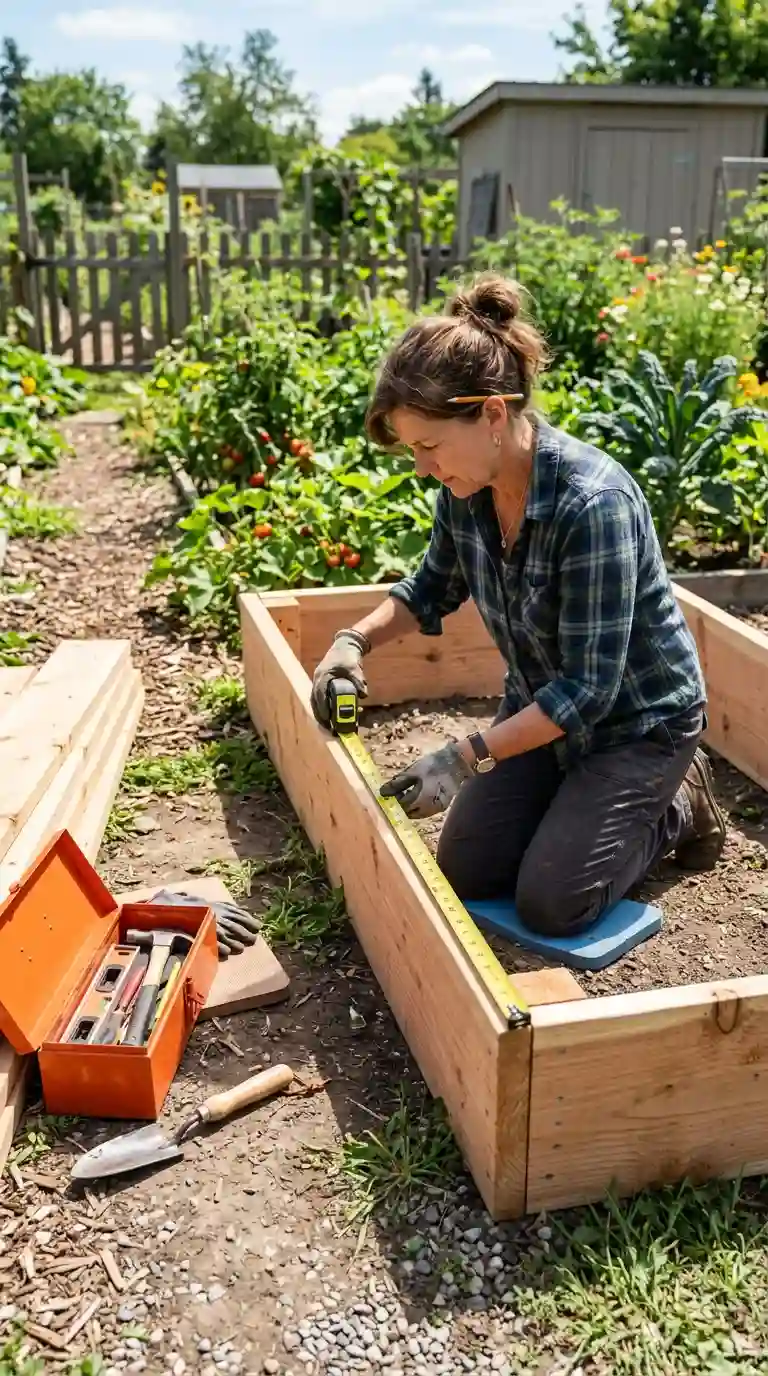
Getting the dimensions right matters just as much as material choice within good raised garden bed ideas, since the wrong size can make a bed genuinely frustrating to maintain over time.
Width should generally stay narrow enough that you can comfortably reach the center of the bed from either side without stepping into the soil itself. For a bed accessible from both sides, around four feet wide tends to work well for most people, while a bed against a wall or fence, accessible from only one side, should stay closer to two to three feet wide.
Length is far more flexible and mostly comes down to your available space and personal preference, though breaking a very long garden into a few separate beds rather than one continuous run often makes maintenance and pathway access considerably easier.
Height depends heavily on your specific gardening goals and physical needs. Standard raised garden bed heights of eight to twelve inches work well for most general vegetable and flower gardening, offering improved drainage and soil control without requiring an enormous amount of fill material.
Taller raised garden bed ideas, generally in the eighteen to twenty four inch range, genuinely reduce the amount of bending and kneeling required, making them an excellent choice for gardeners dealing with mobility concerns, back issues, or simply a strong preference for gardening from a standing or seated position rather than crouching at ground level.
Very tall, waist height raised beds have become increasingly popular for gardeners specifically prioritizing accessibility, sometimes incorporating a built in seating ledge around the perimeter that doubles as both a place to sit and a practical work surface while tending the plants.
Best Placement and Positioning for Raised Garden Bed Ideas
Where you actually put your raised garden bed matters just as much as how you build it, and this is a step that gets rushed far too often in the excitement of starting a new project.
Most vegetables and flowering plants need a genuine six to eight hours of direct sunlight daily to thrive, so observing your yard carefully throughout a full day before committing to a permanent location will save you enormous frustration later on.
Avoid positioning raised garden bed ideas directly beneath overhanging tree branches. Falling leaves, sap, and debris create ongoing maintenance headaches, and the shade cast by mature branches can significantly limit the sunlight your plants actually receive throughout the growing season.
Consider proximity to a water source when planning your layout. A raised garden bed positioned far from an outdoor spigot will make regular watering a genuinely tedious chore, and that friction often leads to inconsistent care over time, regardless of how well the bed itself was originally built.
Plan for practical access needs from the very beginning, including space for tool storage, a nearby compost bin, and clear, comfortable pathways between multiple beds if you are building more than one. These small planning details make an enormous difference in how enjoyable the garden actually is to maintain day to day.
Wind exposure is worth considering as well, particularly for taller raised garden bed ideas or beds holding especially tall plants like tomatoes or corn. A bit of natural windbreak, whether from a fence, a hedge, or the layout of surrounding structures, can protect more delicate plants from unnecessary stress.
Soil and Filling Your Raised Garden Bed the Right Way
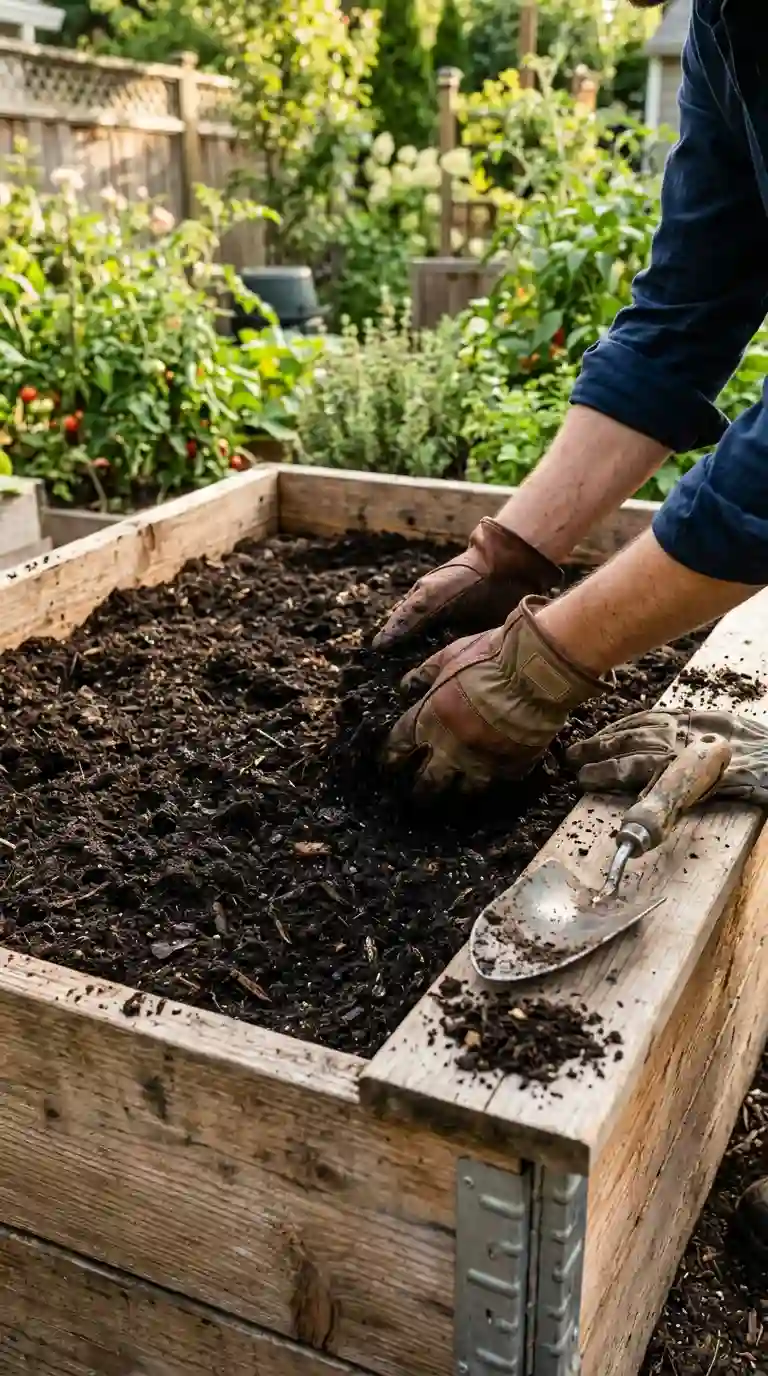
The soil you use inside your raised garden bed genuinely determines the success of everything you plant, making this one of the most important, and unfortunately often rushed, steps within the entire process.
A quality raised bed soil mix typically combines topsoil, compost, and a bit of aeration material like perlite or coarse sand, creating a blend that drains well while still retaining enough moisture and nutrients to support healthy root development.
Layering your fill material can help manage cost in taller raised garden bed ideas, using coarser, bulkier material like small branches or straw toward the bottom of a very deep bed, with the nutrient rich soil mixture concentrated in the upper layers where most root activity actually takes place.
Compost deserves a genuinely central role in your soil mix, whether store bought or homemade, since it introduces beneficial microorganisms and nutrients that support long term soil health far better than a single initial fertilizer application ever could.
Testing your soil periodically, even with a simple at home kit, helps you understand pH levels and nutrient deficiencies specific to your particular raised garden bed, allowing you to make targeted amendments rather than guessing at what your plants might need.
Refreshing your soil somewhat each season, adding fresh compost and replenishing nutrients that plants have drawn down over a full growing cycle, keeps a raised garden bed productive year after year rather than gradually depleting over time.
Also Read : 47 Patio Wall Decor Ideas That Will Instantly Transform Your Boring Backyard Into a Stunning Outdoor Retreat
Layout Ideas for a Beautiful and Functional Raised Garden Bed Setup
Beyond individual bed construction, the way you arrange multiple raised garden bed ideas across a yard genuinely shapes both how the space functions and how it looks overall.
A grid layout, using evenly spaced rectangular beds separated by clear pathways, creates an organized, intentional feeling that works particularly well for larger vegetable gardens where efficient access to every bed matters for regular harvesting and maintenance.
An organic, curved layout, arranging beds along a winding gravel or mulch path, tends to feel more relaxed and garden like, softening the more rigid structure that raised beds naturally introduce into a landscape.
Framing a central lawn or gathering space with raised garden bed ideas positioned along the perimeter creates a defined outdoor room, blending functional growing space with the kind of layout typically reserved for purely ornamental landscaping.
Combining raised beds with a pergola or simple overhead structure introduces vertical interest and can eventually support climbing plants like beans or cucumbers, layering the garden both horizontally and vertically within a relatively modest footprint.
Incorporating a bench or built in seating directly into a raised garden bed design, particularly with darker stained wood, turns the structure into a functional gathering space in addition to a planting area, merging utility and comfort within a single feature.
Raised Garden Bed Ideas for Growing Vegetables
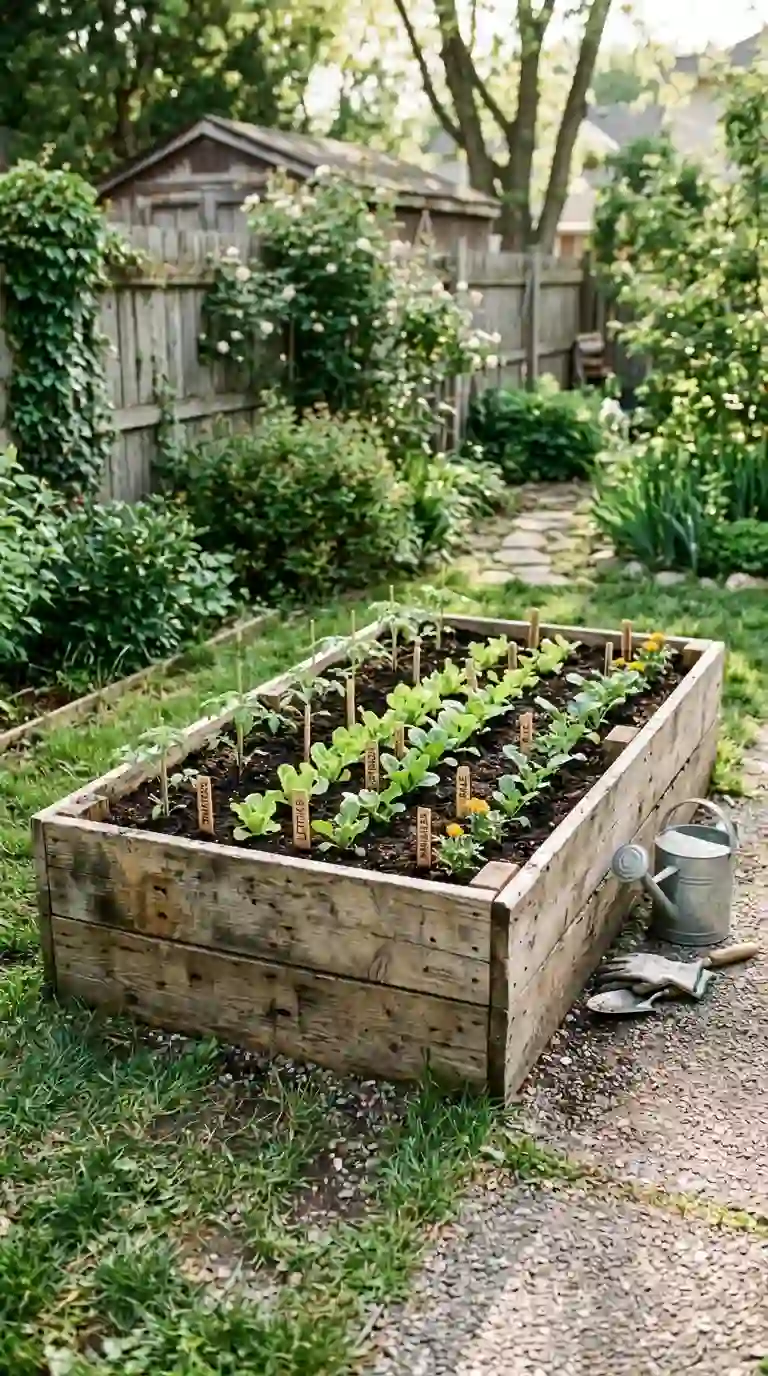
Vegetable gardening remains the most common motivation behind raised garden bed ideas, and a few specific considerations help maximize both the yield and the visual appeal of an edible garden.
Companion planting works beautifully within a raised garden bed structure, pairing vegetables with complementary flowers or herbs that help deter pests naturally. Marigolds planted alongside tomatoes, for example, remain a classic and genuinely effective combination that also happens to look lovely.
Grouping vegetables by height and sun needs within a single bed helps prevent taller plants from shading out smaller ones unintentionally, an easy mistake to make when a garden layout gets planned purely around what someone wants to grow rather than how those specific plants will actually interact once fully mature.
Succession planting, staggering your planting dates for fast growing crops like lettuce or radishes, allows a single raised garden bed to produce a continuous harvest throughout the season rather than one large batch that all ripens simultaneously.
Vertical supports, including simple trellises or stakes, let vining vegetables like cucumbers, beans, and certain squash varieties grow upward rather than sprawling across the entire bed, effectively multiplying your usable growing space within the same footprint.
Rotating what you plant in each specific bed from year to year helps prevent the soil depletion and pest buildup that can occur when the same crop family grows in identical soil season after season, supporting the long term health and productivity of your raised garden bed setup overall.
Raised Garden Bed Ideas for Flowers and Ornamental Gardens
Raised garden bed ideas are not limited purely to vegetables, and a growing number of homeowners are using this same structure specifically for flowers and ornamental plantings.
Cottage garden style raised beds, filled with a mix of cascading, overflowing flowers rather than tightly organized rows, create a relaxed, romantic feeling that softens the more architectural nature of a raised bed structure itself.
Pollinator friendly plantings, including native wildflowers and nectar rich blooms, turn a raised garden bed into a genuine haven for bees and butterflies, supporting local ecosystems while also creating a genuinely beautiful, ever changing display throughout the growing season.
Seasonal rotation, swapping spring bulbs for summer annuals and then transitioning into fall blooming perennials, keeps an ornamental raised garden bed feeling fresh and intentional across the entire year rather than static.
Mixing height and texture deliberately, combining tall spiky blooms with softer, rounder flowers and some trailing greenery along the edges, creates the kind of layered visual interest that separates a genuinely well designed ornamental raised bed from one that simply looks randomly planted.
Read Also : 45 Beautiful Outdoor Plants For Patio Spaces That Instantly Feel Like A Garden Escape
Budget Friendly Raised Garden Bed Ideas
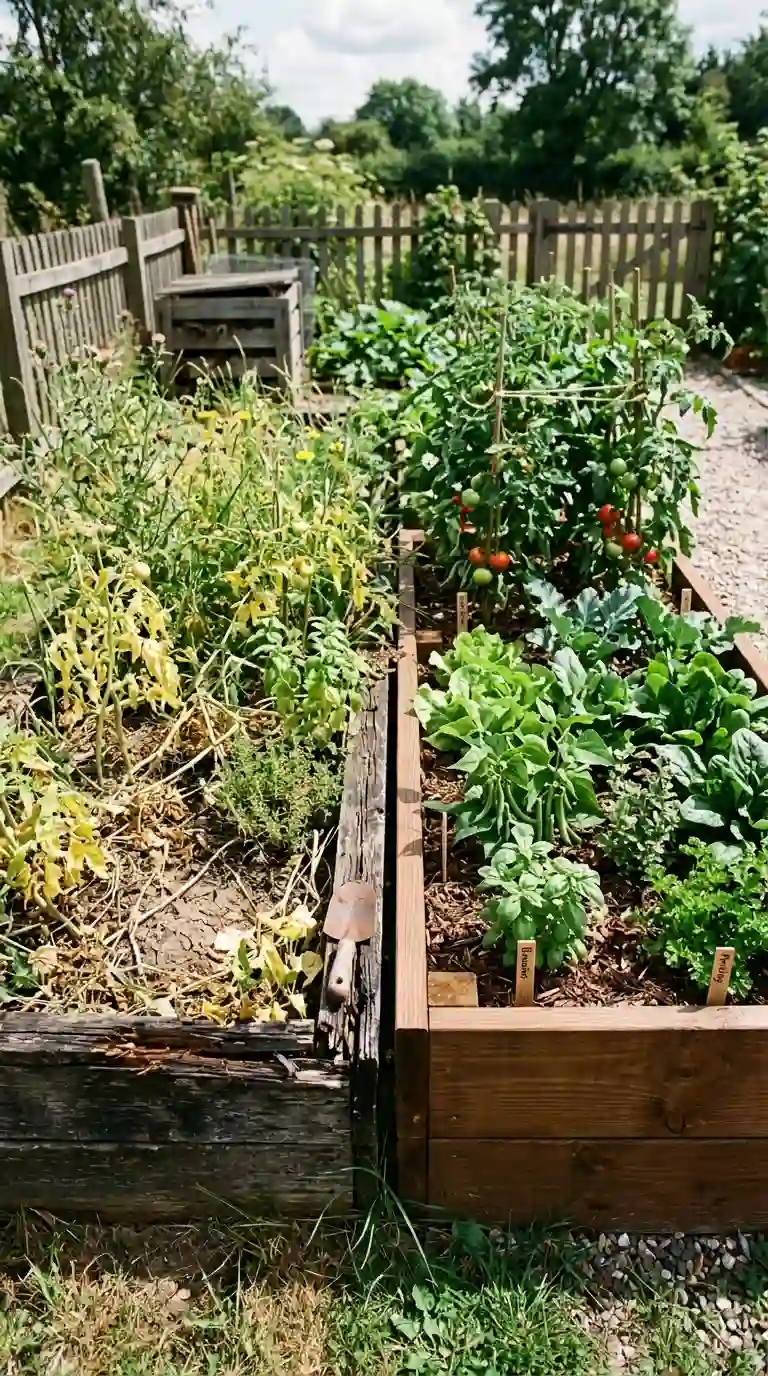
You do not need a large budget to build genuinely effective raised garden bed ideas, and some of the most productive gardens I have seen started with reclaimed materials and a bit of creative problem solving.
Reclaimed wood, including old pallets or leftover fencing material, can be repurposed into perfectly functional raised garden beds at a fraction of the cost of new lumber, particularly for anyone comfortable with basic DIY construction.
Repurposed containers, like old stock tanks, wine barrels cut in half, or even large plastic totes with drainage holes added, offer genuinely creative and low cost raised garden bed ideas that also happen to bring real character and personality into a yard.
Concrete blocks, simply stacked without mortar in a rectangular shape, create an inexpensive, sturdy raised bed structure that requires very little specialized skill or tools to assemble, making it one of the most accessible entry points into raised bed gardening.
Flat pack raised bed kits have become increasingly affordable and widely available, offering a straightforward, no fuss assembly process for anyone who wants a clean, finished look without committing to a full DIY build from raw lumber.
Fabric grow bags remain one of the lowest cost raised garden bed ideas available, requiring no construction at all beyond simply filling the bag with soil, making them an excellent low risk starting point for anyone still deciding whether raised bed gardening is right for them long term.
Maintaining Your Raised Garden Bed Over the Years
A well built raised garden bed can genuinely last for many years, but a bit of ongoing maintenance makes a significant difference in how long that lifespan actually stretches.
Inspect wood raised garden bed corners and joints periodically for early signs of rot or structural weakening, addressing small issues promptly before they develop into a problem requiring a full rebuild of the structure.
Refresh and amend your soil each season, adding fresh compost and checking for nutrient depletion, since even the best initial soil mix will gradually lose some of its fertility after repeated growing cycles without replenishment.
Clean out spent plants and debris at the end of each growing season, reducing the risk of pests and disease carrying over into the following year’s planting within the same raised garden bed structure.
Reapply a food safe wood preservative periodically on untreated wood beds, extending their functional lifespan without introducing any harmful chemicals into the soil where edible plants are actively growing.
Check drainage periodically, particularly after heavy rain, to confirm water is moving through the bed properly rather than pooling, which can indicate a need to loosen compacted soil or add additional aeration material to the mix.
Common Mistakes to Avoid With Raised Garden Bed Ideas
After helping so many people build and troubleshoot their own gardens, certain mistakes come up repeatedly, quietly undermining otherwise promising raised garden bed ideas.
Building beds too wide to comfortably reach across is one of the most common early mistakes. Once a bed is filled with soil and plants, stepping into it to reach the center compacts the soil and can damage root systems, so getting the width right from the very beginning genuinely matters.
Skipping proper soil preparation, either using low quality fill material or failing to include enough compost, leads to disappointing yields even in a beautifully constructed raised garden bed, since the structure itself does very little without genuinely healthy soil inside it.
Overcrowding plants within a single bed is another frequent issue, often stemming from excitement about how much can theoretically fit into a small space. Following proper spacing guidelines for each specific plant, even when it looks sparse at first, prevents competition for nutrients and light as everything matures.
Ignoring drainage needs, particularly in beds built with a solid, non permeable bottom layer, can lead to waterlogged soil and root rot, undermining one of the primary advantages that raised garden bed ideas are supposed to provide in the first place.
Choosing the wrong material for your specific climate or budget, without considering long term maintenance realistically, often leads to premature replacement and unnecessary added cost down the line.
Also Read : Balcony Railing Design Ideas That Will Completely Transform Your Outdoor Space
How I Approach a Real Raised Garden Bed Project From Start to Finish
Every raised garden bed project I take on starts with a conversation about goals rather than materials. I want to know whether someone is chasing a productive vegetable harvest, a beautiful ornamental display, or simply a low maintenance way to add some greenery to an otherwise underused corner of their yard.
I remember working with a client who had a small, mostly shaded urban backyard and had essentially given up on the idea of growing her own vegetables after a few failed attempts directly in the ground. We identified the one section of her yard that actually received consistent afternoon sun, built two modest sized cedar raised garden beds specifically sized for that space, and filled them with a properly balanced soil mix from the start. By midsummer, she had more tomatoes and herbs than she knew what to do with, and the entire transformation came down almost entirely to proper placement and quality soil rather than anything particularly complicated in the construction itself.
I have also worked with clients on the opposite end of the spectrum, homeowners with sprawling backyards wanting raised garden bed ideas that functioned almost like landscape architecture, defining pathways and outdoor rooms rather than existing purely as a functional vegetable patch. Those projects leaned more heavily into layout and material choice, using galvanized metal beds arranged along a gravel path to create genuine visual structure throughout an otherwise open lawn.
What I have learned across both types of projects is that the most successful raised garden bed ideas start with genuine observation of a specific space, its sunlight, its access to water, its actual daily use, rather than simply copying whatever layout looks impressive in an inspiration photo online.
Raised Garden Bed Ideas for Beginners Just Getting Started
If you are building your very first raised garden bed, keeping things simple genuinely sets you up for a better experience than jumping straight into an elaborate, multi tiered design.
Start with one or two modest sized beds rather than committing to an entire yard transformation right away. This lets you learn how your specific soil, sunlight, and watering routine actually work before scaling up to a larger, more ambitious project.
Choose a straightforward, budget friendly material for your first attempt, whether that is a simple wood build or an affordable flat pack kit, saving the more premium materials for once you have a clearer sense of how committed you are to maintaining the garden long term.
Stick to a handful of genuinely easy, forgiving plants for your first season, like lettuce, herbs, or cherry tomatoes, building confidence and experience before attempting more finicky or demanding crops.
Keep a simple log of what you plant, when, and how it performs throughout the season. This small habit becomes genuinely valuable over time, helping you refine your specific raised garden bed setup year after year based on real observed results rather than guesswork.
Also Read : French Balcony Magic: The Ultimate Guide To Elegant, Space Saving Charm For Every Home
Seasonal Raised Garden Bed Ideas Throughout the Year
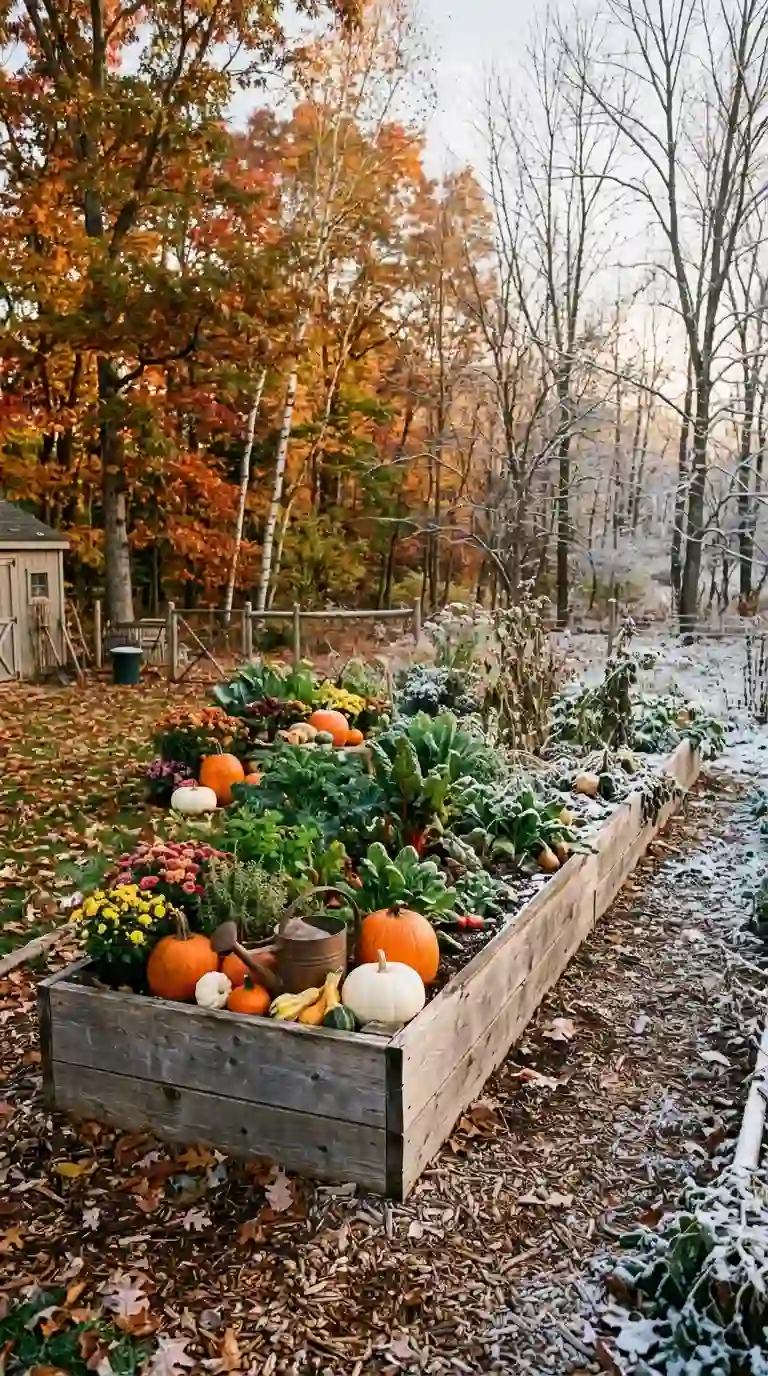
A raised garden bed does not need to sit empty and idle outside of the main summer growing season, and thinking seasonally opens up considerably more value from the same structure throughout the entire year.
Spring planting typically kicks off with cold hardy crops like lettuce, spinach, and peas, which tolerate the cooler temperatures and occasional light frost still common early in the season better than more heat loving vegetables.
Summer remains the primary season for most raised garden bed ideas, supporting classic warm weather crops like tomatoes, peppers, squash, and a wide variety of flowering annuals that thrive in consistent heat and full sun.
Fall planting, often overlooked, allows many raised garden beds to produce a genuine second harvest, particularly for crops like kale, broccoli, and root vegetables that actually improve in flavor after exposure to a light frost.
Winter, particularly in milder climates, can support certain cold tolerant greens and herbs directly in a raised bed, while colder regions often use this season for planning next year’s layout, amending soil, or simply covering beds with mulch to protect and enrich the soil until spring planting resumes.
FAQ About Raised Garden Bed Ideas
What is the best material for a raised garden bed?
Cedar and redwood remain popular choices for wood raised garden bed ideas due to their natural rot resistance, while galvanized steel offers exceptional durability and has become one of the fastest growing trends thanks to its long lifespan and low maintenance needs.
How deep should a raised garden bed be?
Standard raised garden bed depths of eight to twelve inches work well for most vegetables and flowers, while taller beds of eighteen to twenty four inches suit gardeners wanting to reduce bending or grow deeper rooted crops.
What is the cheapest way to build a raised garden bed?
Budget friendly raised garden bed ideas include using reclaimed wood pallets, stacked concrete blocks without mortar, repurposed containers like old stock tanks, or simple fabric grow bags that require no construction at all.
How do I fill a raised garden bed with soil?
A quality mix typically combines topsoil, compost, and an aeration material like perlite, layered with bulkier filler material toward the bottom of very deep beds to help manage cost while still supporting healthy root growth in the upper layers.
What should I put at the bottom of a raised garden bed?
Many gardeners use a layer of coarse branches, straw, or cardboard at the bottom of deeper raised garden bed ideas to improve drainage and reduce the amount of soil needed, though shallower beds generally do not require this extra layer.
How much sunlight does a raised garden bed need?
Most vegetables and flowering plants need six to eight hours of direct sunlight daily, so placement in a spot with consistent sun exposure throughout the day is one of the most important factors in successful raised garden bed ideas.
Can I use pressure treated wood for a raised garden bed?
Modern pressure treated wood is generally considered safer than older formulations, though many gardeners still prefer untreated cedar or redwood for edible gardens to avoid any risk of chemical leaching into the soil.
What can I grow in a raised garden bed?
Raised garden beds support a huge range of plants, including vegetables like tomatoes and leafy greens, herbs, and ornamental flowers, with companion planting and vertical supports helping maximize yield within a limited footprint.
How many raised garden beds do I need for a family?
This depends heavily on what you plan to grow and how much you want to harvest, though a modest start of two to four beds is often enough for a family wanting a meaningful supply of vegetables and herbs without an overwhelming maintenance commitment.
Should raised garden beds be placed on grass or on a hard surface?
Raised garden bed ideas generally work best placed directly on grass or bare soil to allow natural drainage and worm activity, though beds on patios or hard surfaces can also work well with proper drainage layers and slightly deeper soil.
Final Thoughts on Raised Garden Bed Ideas
A raised garden bed genuinely earns its popularity honestly, solving real problems around soil quality, drainage, and physical accessibility while also giving a yard genuine structure and visual interest. Whether you are drawn to the natural warmth of cedar, the sleek durability of galvanized metal, or a simple budget friendly build using reclaimed materials, the underlying principles behind good raised garden bed ideas stay consistent no matter which direction you choose.
Start with honest observation of your own space, your sunlight, your water access, and your realistic maintenance habits, rather than simply copying an inspiration photo exactly as shown. The best raised garden bed setup is always the one that genuinely fits how you actually live and garden, not the one that photographs the most impressively online.
Whatever you build, give it time. A raised garden bed rarely looks its best in its very first season, but with a bit of patience, consistent care, and soil that keeps improving year after year, it has real potential to become one of the most rewarding features in your entire outdoor space.


One comment on “Raised Garden Bed Ideas: The Ultimate Guide to Building a Thriving, Beautiful Garden”