

A bathroom is a small room, and that is exactly why a careful refresh can change it so much. A standard basin sits about 800–850mm from the floor, a bath is usually around 1,700mm long, and most of the surfaces you actually see are within arm’s reach, so paint, hardware and lighting carry more weight here than in a larger room.
Budget and time should be decided before anything is bought. A cosmetic refresh, covering paint, hardware, a mirror and textiles, typically costs £400–£1,500 and can be finished in a weekend to a week. A fuller update, adding a vanity, flooring and shower fittings, is more like £2,500–£7,000 and two to four weeks, depending on deliveries and drying times.
Start with what stays in place, then work outwards from there. Moving a toilet or bath is where a simple project turns into plumbing, tiling and plastering, so the sections below keep the layout fixed and spend the effort where it shows.
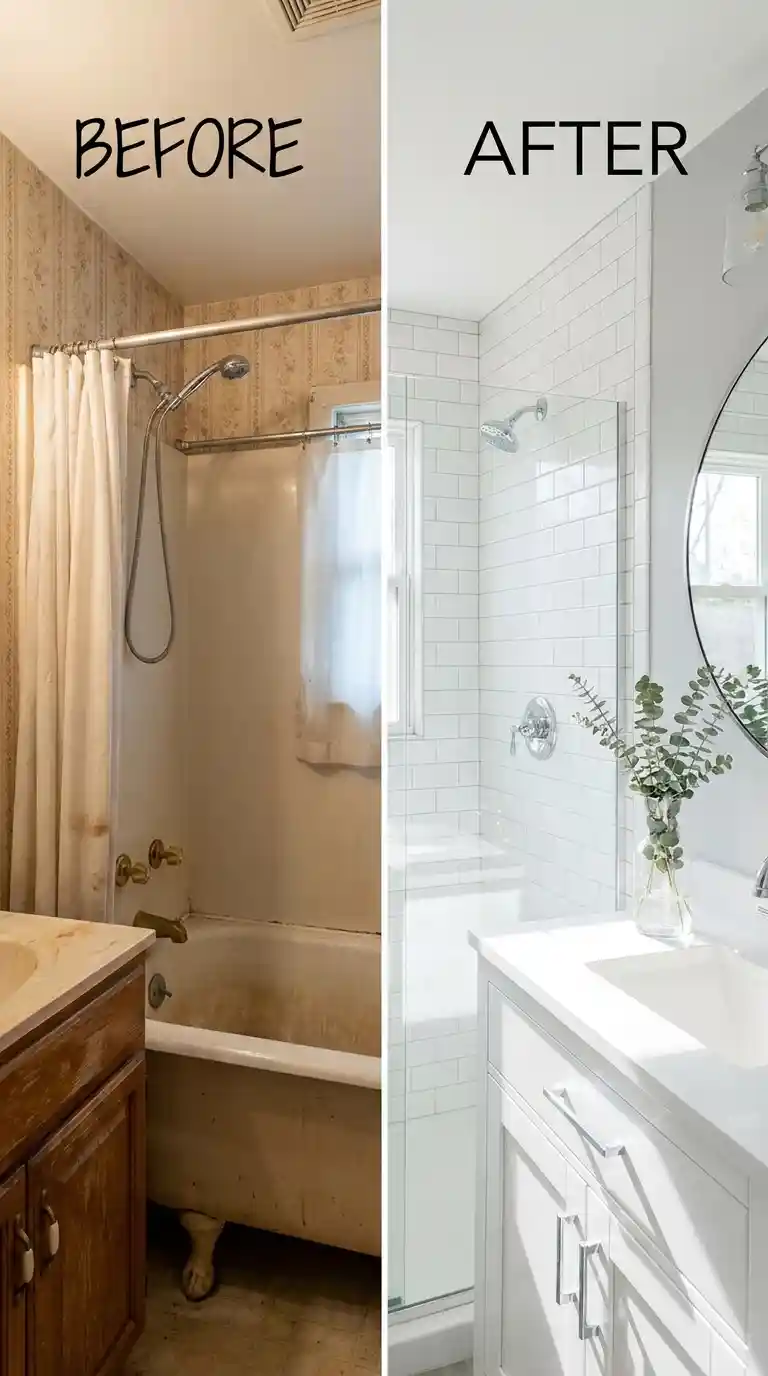
Where Should You Start When the Room Feels Overwhelming?
Measure first, and write the numbers down. Note the width of the vanity, the distance from the toilet centre to each side wall, and the height of the existing mirror, because a mirror or cabinet that is 50mm too wide is the kind of mistake that only shows up after delivery. Photograph the pipe positions behind the vanity as well, so a replacement can be matched without opening the wall.
Then rank the room by what you notice every day, not by what looks worst in a photo. In the photo above, the before-and-after difference comes from light, colour and a clean wall, not from a new layout. That same principle applies to dark rooms too: how dark rooms can still feel inviting depends on warm light and pale reflective surfaces, not on stripping everything out.
What Can You Realistically Change Without Moving Plumbing?
Almost everything visible can change while the pipes stay put. Paint, tiles, a vanity in the same footprint, a mirror, lighting, taps and a shower screen all work with the existing connections, provided the new fittings match the old centres. A basin tap, for example, needs the same hole spacing as the one it replaces, and a vanity needs the same waste position, or a small amount of pipework becomes unavoidable.
Decide the order before buying: walls and ceiling first, then flooring, then the vanity and fittings, then mirrors and textiles last. Working in that sequence avoids painting over a new floor or scratching a new mirror during tiling. If a job needs the water off for more than a day, plan it for a weekend when a second bathroom, or a neighbour’s shower, is available.
Which Paint and Tile Choices Actually Survive a Steamy Room?
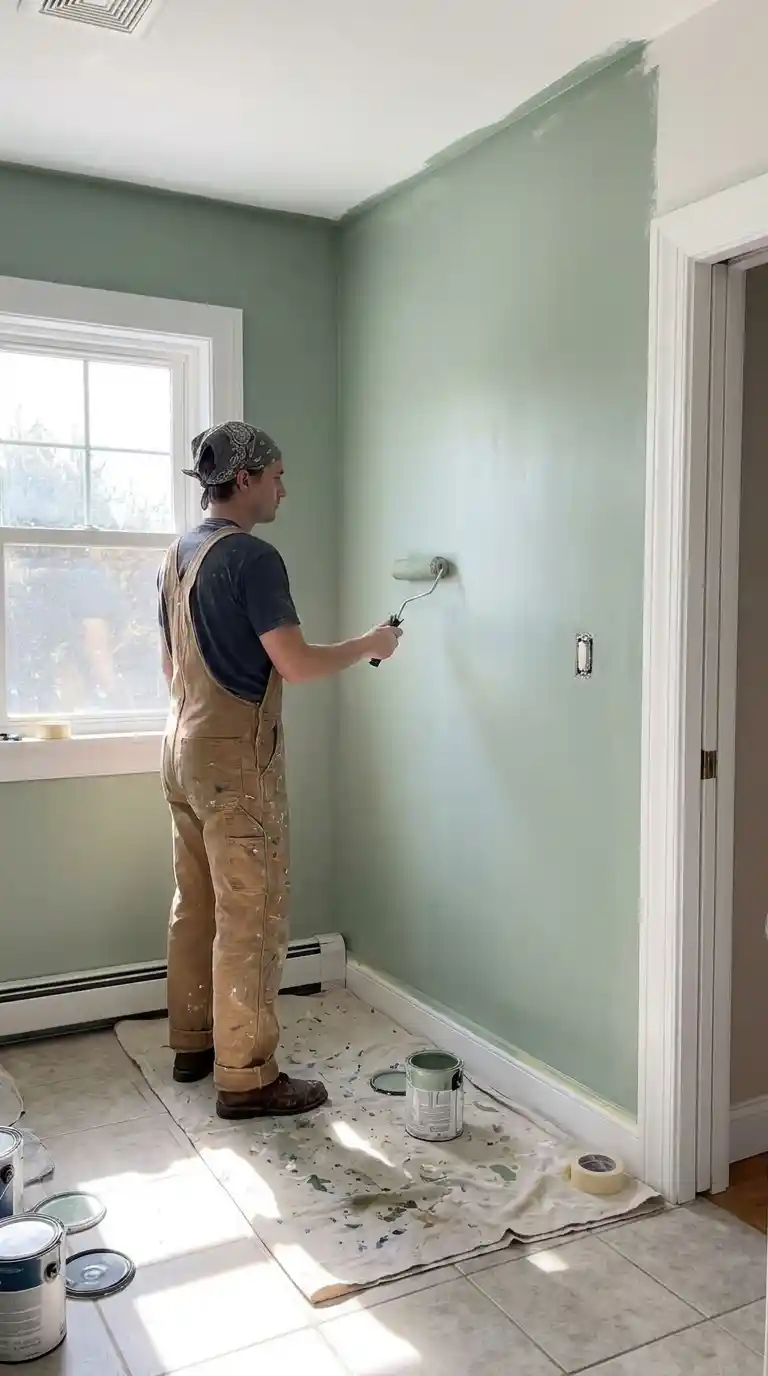
Use a satin or semi-gloss paint on walls, and a dedicated bathroom or kitchen paint on the ceiling, because flat matt paint holds moisture and marks easily in steam. Two thin coats, with at least 4 hours between them, will last longer than one thick coat, and a primer is worth the extra day when painting over dark or glossy tiles. The photo above shows why colour matters as much as finish: a muted green keeps the room calm without making it feel dark.
For floors, peel-and-stick tiles and waterproof vinyl planks are the most forgiving choices, since both can be laid over a sound, level floor without wet adhesive. Tile paint or epoxy is a reasonable stopgap for sound but dated wall tiles, but it is not a substitute for retiling a shower that leaks. Regrouting, by contrast, is genuinely quick: clean out loose grout, apply new grout, and leave the shower unused for 24 to 72 hours while it cures.
Is It Cheaper to Refinish the Vanity or Replace It?

Refinishing almost always wins on cost if the carcass is solid. Sanding, priming and painting a vanity, plus new handles, typically costs under £150 in materials and takes a weekend, while a like-for-like replacement vanity alone often starts around £300 before taps and fitting. The photo above shows the result to aim for: a clean, pale unit with one consistent metal finish, rather than a mix of chrome, brass and black.
Replace the unit only when the carcass is swollen, the doors no longer close, or the size is wrong for the room. In that case, choose a wall-hung unit if floor space is tight, because seeing more floor makes the room feel larger, and keep every finish in the room to one metal. The same discipline applies elsewhere in the home: how finishes are balanced in a black and copper kitchen is a useful reminder that one warm metal, used consistently, looks calmer than three competing ones.
How Do You Make a Small Bathroom Feel Less Cramped?

Start with the mirror, not the walls. A mirror that runs almost the full width of the vanity, hung with its centre about 1,500mm from the floor, doubles the sense of space far more effectively than a small decorative mirror. Add lighting at both sides of the mirror if possible, rather than a single bar above it, because side light removes shadows and makes the room feel wider at face height.
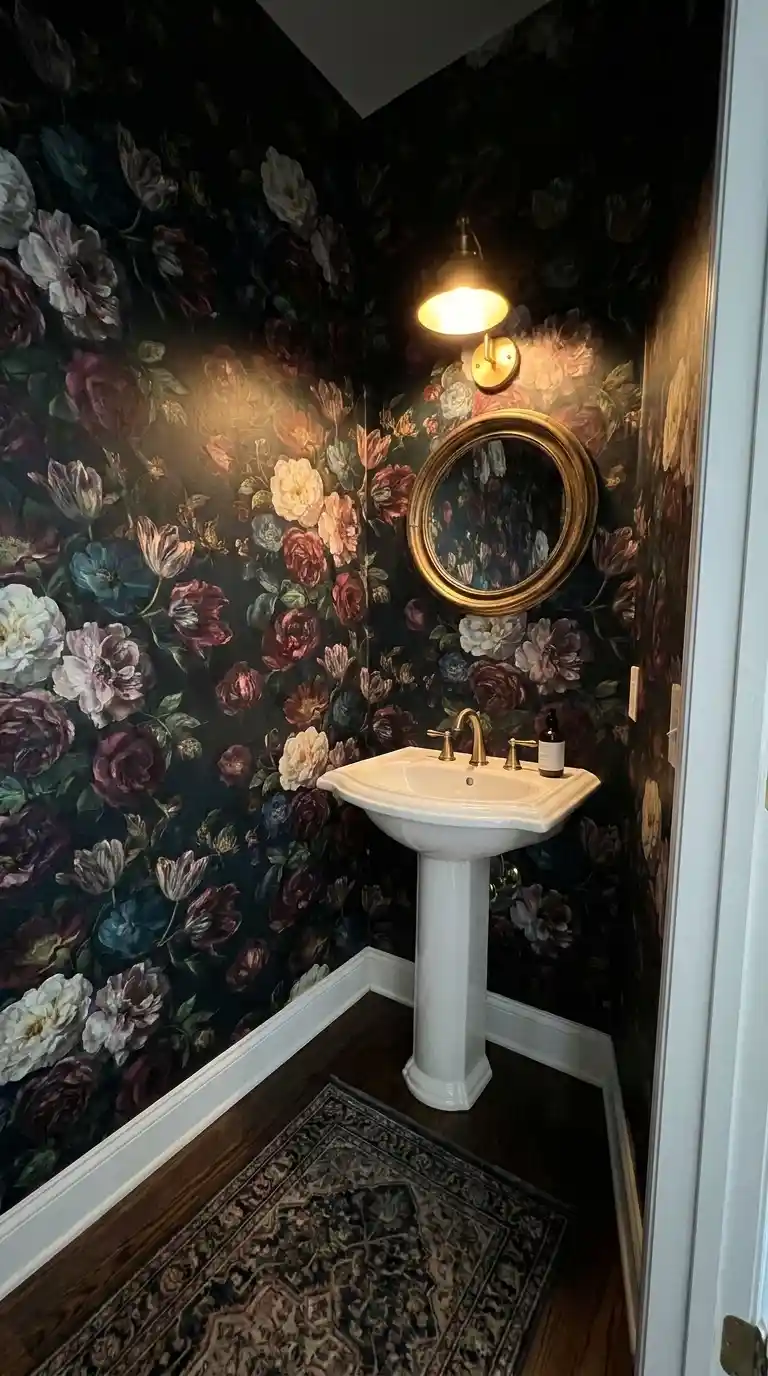
Then free the floor. A pedestal or wall-hung basin, tall narrow shelving, and a single bold accent, such as the patterned wallpaper in the second photo above, work better together than a bulky vanity plus several small decorations. Keep everyday items behind a door or in a basket, and leave at least one clear stretch of worktop, so the room reads as calm rather than crowded.
What Should You Do About the Shower and Tub?
Start with the cheapest fixes that change the whole area: new caulk, a new shower head and a matching trim kit. A rainfall head, for example, needs a minimum flow rate to work well, so check the existing pressure before buying a larger head that will only dribble. Replacing a dated curtain with a washable fabric curtain, or a fixed glass panel where space allows, also changes the room for under £100 in most cases.
Reglazing is the middle step for a sound but stained bath. A kit costs far less than a replacement bath, but the surface needs 48 to 72 hours to cure, and ventilation matters while it dries. If the bath is cracked, the enamel is lifting, or the waste is leaking into the floor below, stop and get a professional assessment instead, because a cosmetic coat will only hide a problem that is getting worse.
How Much Should You Spend, and Where Does It Go?
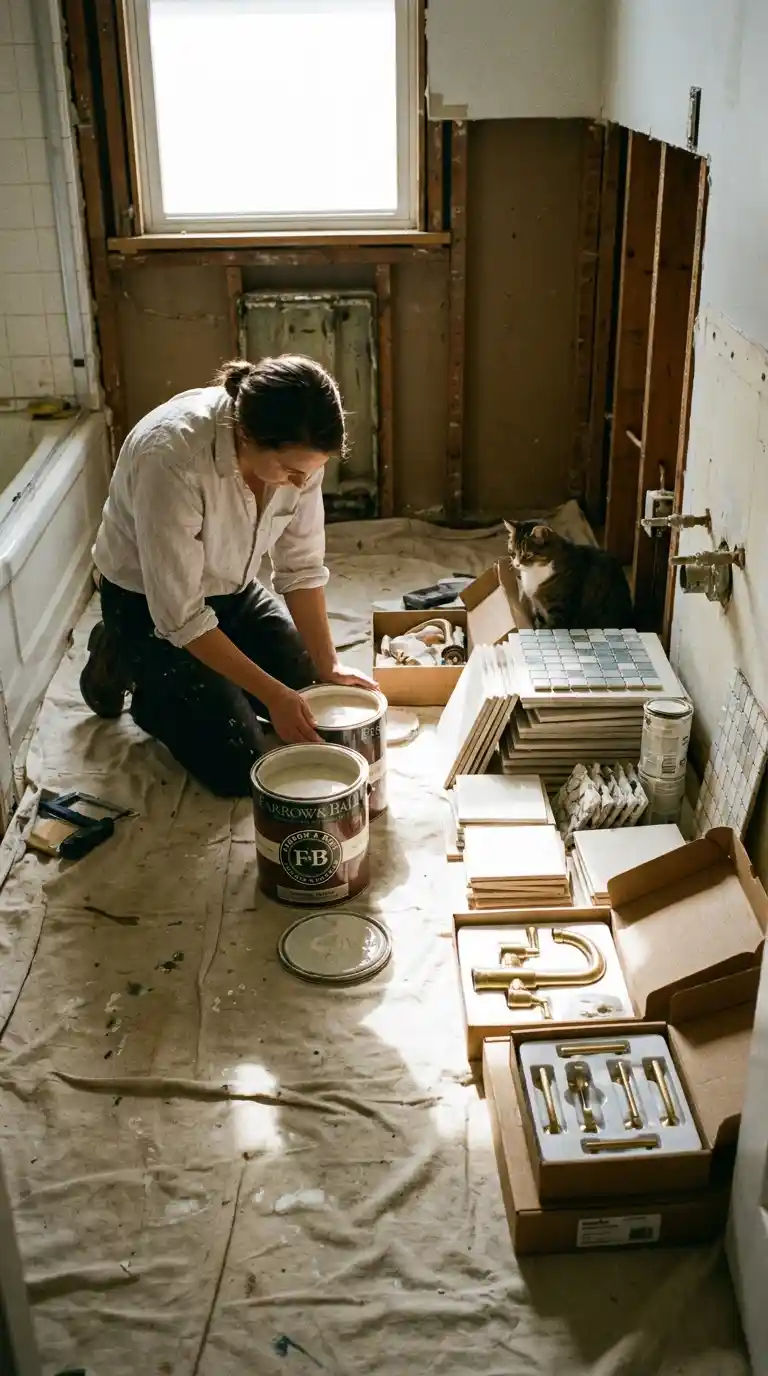
A useful split for a £1,000 cosmetic refresh is roughly £250 on paint and preparation, £250 on a mirror and lighting, £200 on hardware and textiles, and £300 kept back for the unexpected, such as a cracked tile or a seized tap. That contingency matters: in a bathroom, a single hidden leak can swallow a budget that was spent too early on decorations. The photo above is a reminder to buy materials before styling, not the other way round.
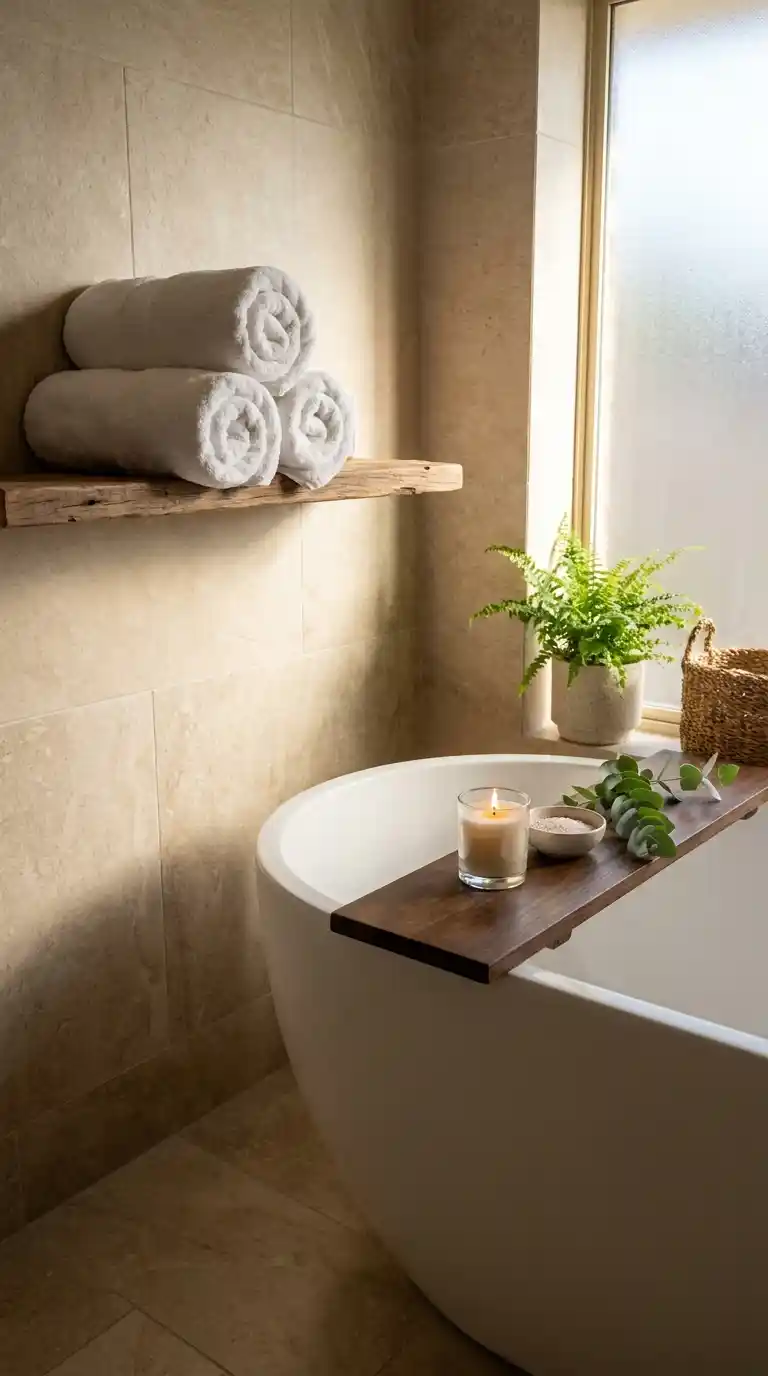
For a calmer finish, keep the palette to two neutrals plus one accent, and put the money into things you touch: thick towels, a solid shower head and a mirror that does not distort. Clear surfaces help more than extra decoration, so hide daily items in a basket or cabinet and leave only two or three objects on show, as in the second photo above. Secondhand and clearance tiles are worth checking, but buy 10% extra, because a discontinued tile cannot be matched later.
How Do You Fit It Into a Weekend, and When Should You Stop?
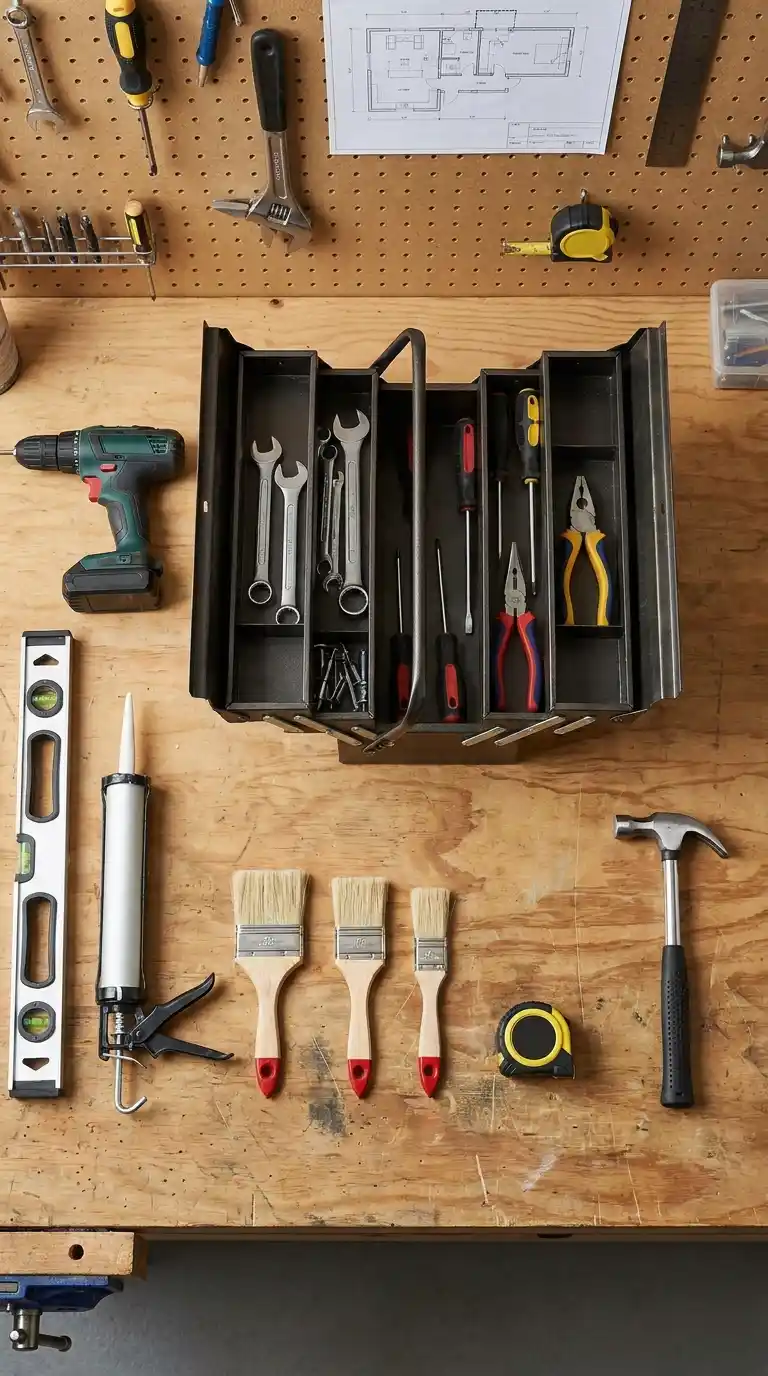
Gather tools before starting: a drill, a level, a stud finder, painter’s tape, drop cloths, a caulking gun, gloves and safety glasses, plus a respirator mask for sanding or tile paint. Renting a tile cutter for a day is cheaper than buying one for a single floor, and it avoids a blunt blade ruining the last few tiles. The photo above is a useful checklist: if a tool is missing on day one, buy it before demolition, not during it.
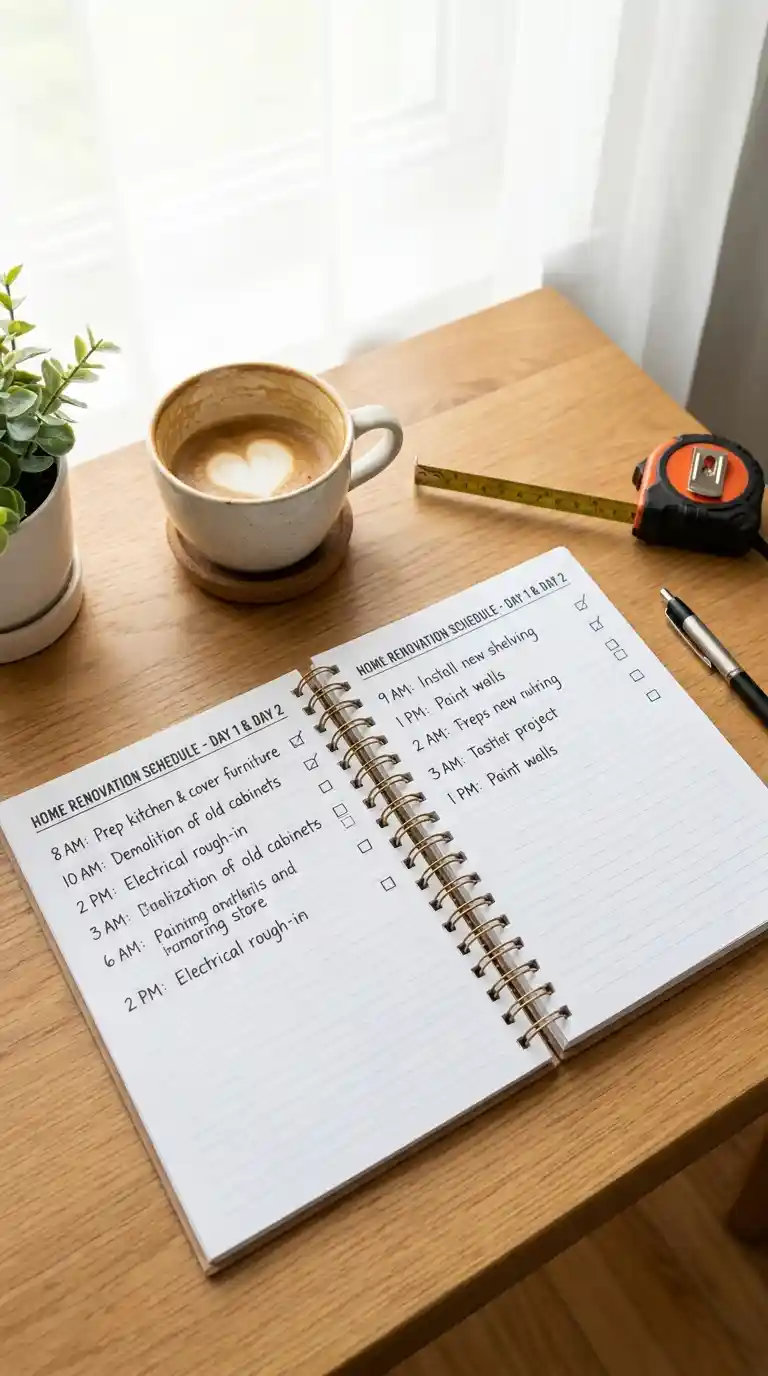
A realistic weekend runs like this: day one for removal, patching, priming and the first paint coat; day two for the second coat, hardware, mirror and textiles, then recaulking once paint is dry. Allow a third day in the plan for anything involving tile or a new vanity, because drying and delivery times are the usual reason a weekend project slips. Skipping preparation, ignoring ventilation while paint cures, and choosing a trend that will date quickly are the three mistakes that cost the most time to fix.
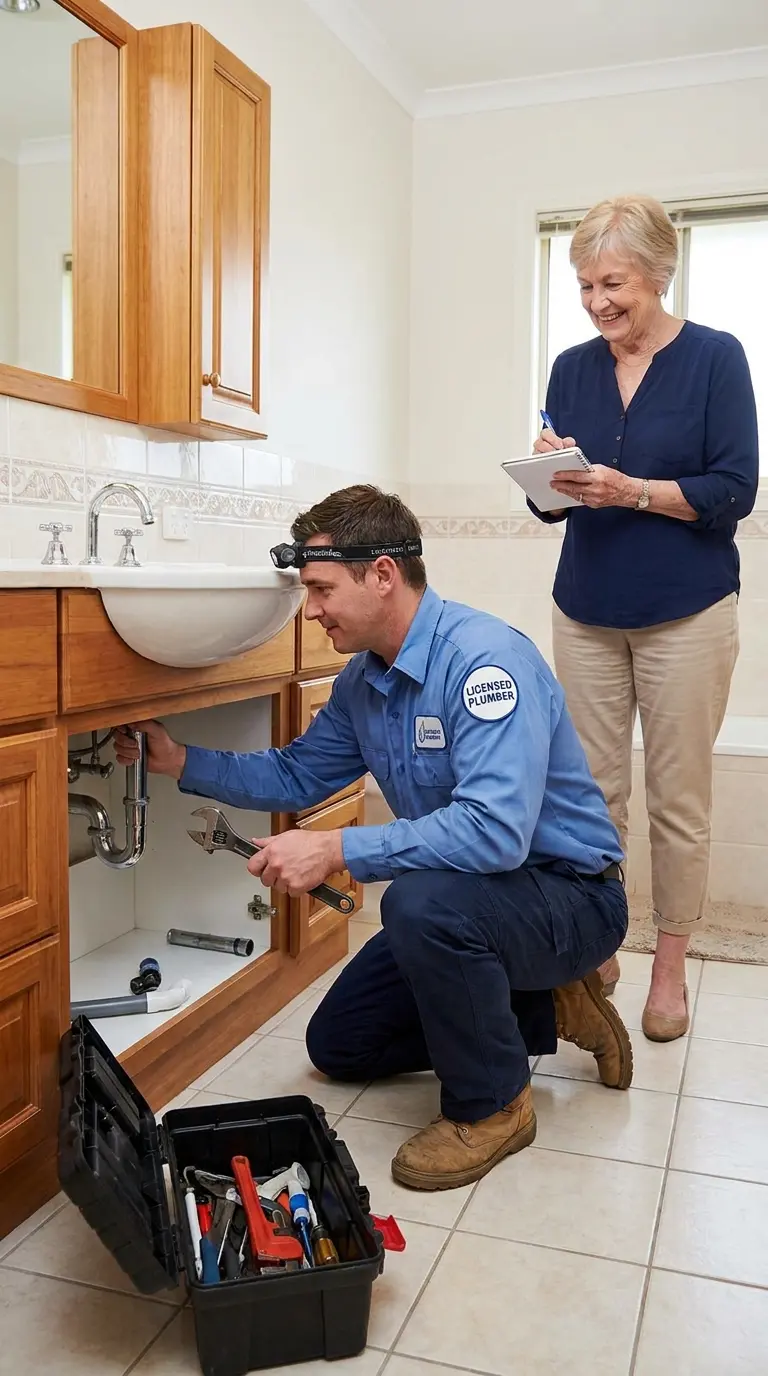
Stop and call a professional for moving pipes or wiring, structural changes, and waterproofing behind a shower, as in the photo above. Those jobs carry a risk of leaks, failed inspections or hidden damage that outweighs any saving. Cosmetic work is a good place to learn; anything behind a wall or under a floor is not.
Frequently Asked Questions
How much should a cosmetic bathroom refresh cost?
Typically £400–£1,500 for paint, hardware, a mirror and textiles, or £2,500–£7,000 for a fuller update with a vanity, flooring and new shower fittings. Keeping 10–20% back for surprises is sensible.
Can a bathroom refresh really be done in one weekend?
Yes, for paint, hardware, mirror and textile changes, provided materials are bought in advance. Tile, a new vanity or reglazing will usually push the job into a second weekend.
Can you paint over bathroom tile yourself?
Yes, with a dedicated tile paint or epoxy kit, thorough cleaning and priming, and good ventilation. It works best on sound wall tiles, not on a leaking shower.
Do you need a permit for a bathroom refresh?
Cosmetic changes such as paint, flooring and like-for-like fixture swaps generally do not need one, but moving plumbing, wiring or walls usually does, so check local rules before starting.
When should you call a professional instead?
For moving pipes or wiring, structural work, shower waterproofing, or any leak into the floor below. Everything visible on the surface is usually a safe place to start.





6 Comments on “Doing Up a Bathroom Yourself, Without Gutting It”