
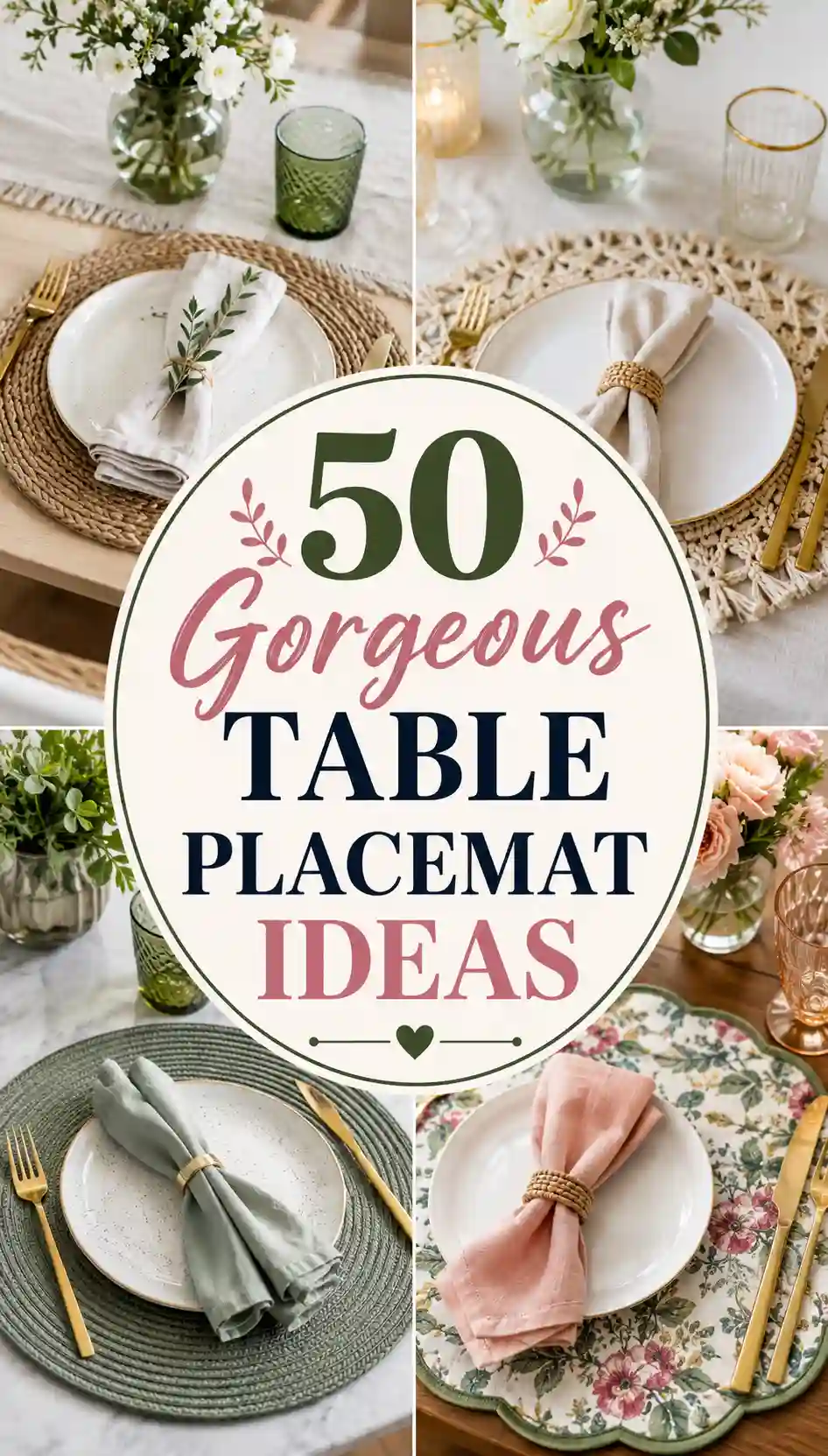
Start with three measurements, not a mood board. Measure the table width, the space for each place setting, and the gap between settings. A standard rectangular mat is about 33 by 46 centimetres, a round mat is usually about 38 centimetres across, and most settings need at least 5 centimetres of clear table between mats. If those numbers do not work, the prettiest mat will still look crowded.
Set a budget before browsing. A practical set of six wipe-clean mats often costs £20 to £40, while a set of six linen or woven mats can run £45 to £90. Allow 20 minutes to measure, compare two or three materials, and check the washing instructions. The one real consideration that matters most is cleaning: a mat that cannot be cleaned in the way you actually clean will spend most of its life in a drawer.
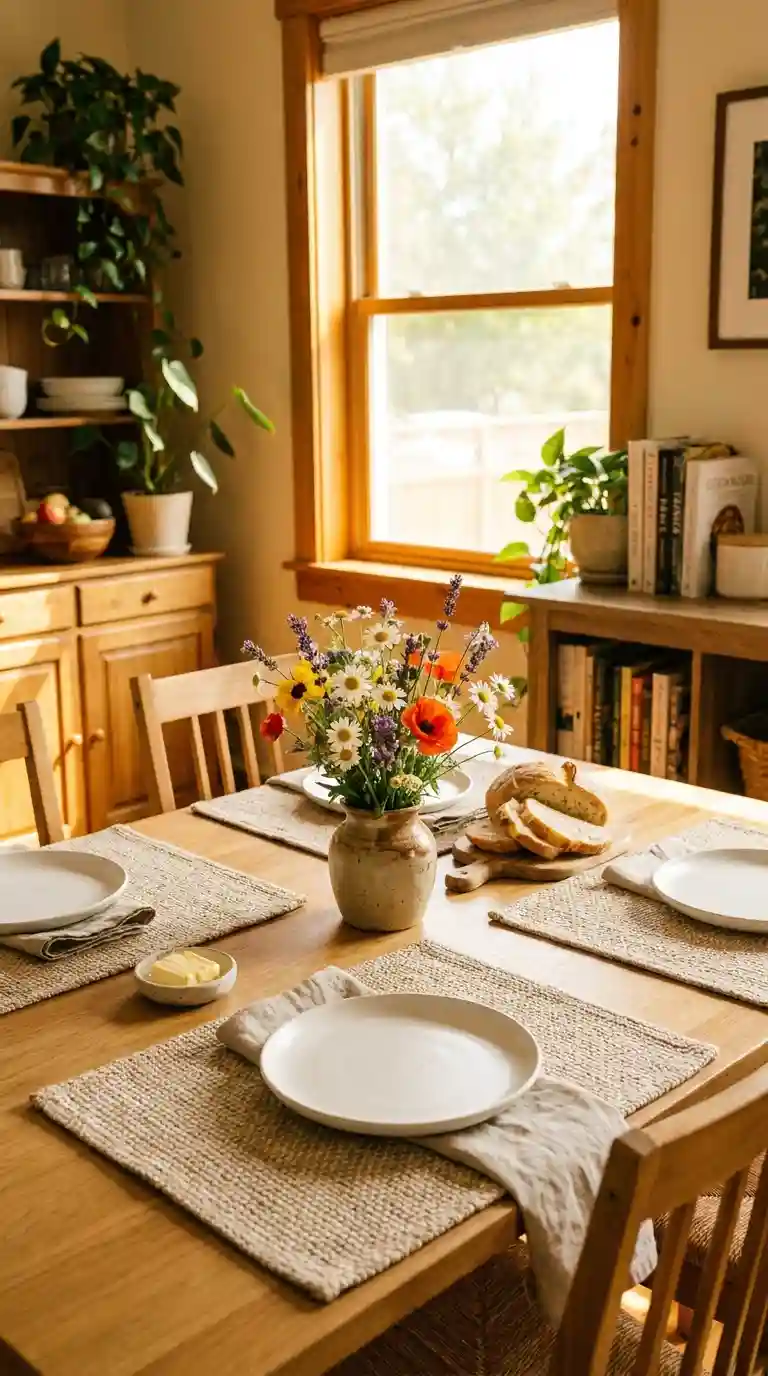
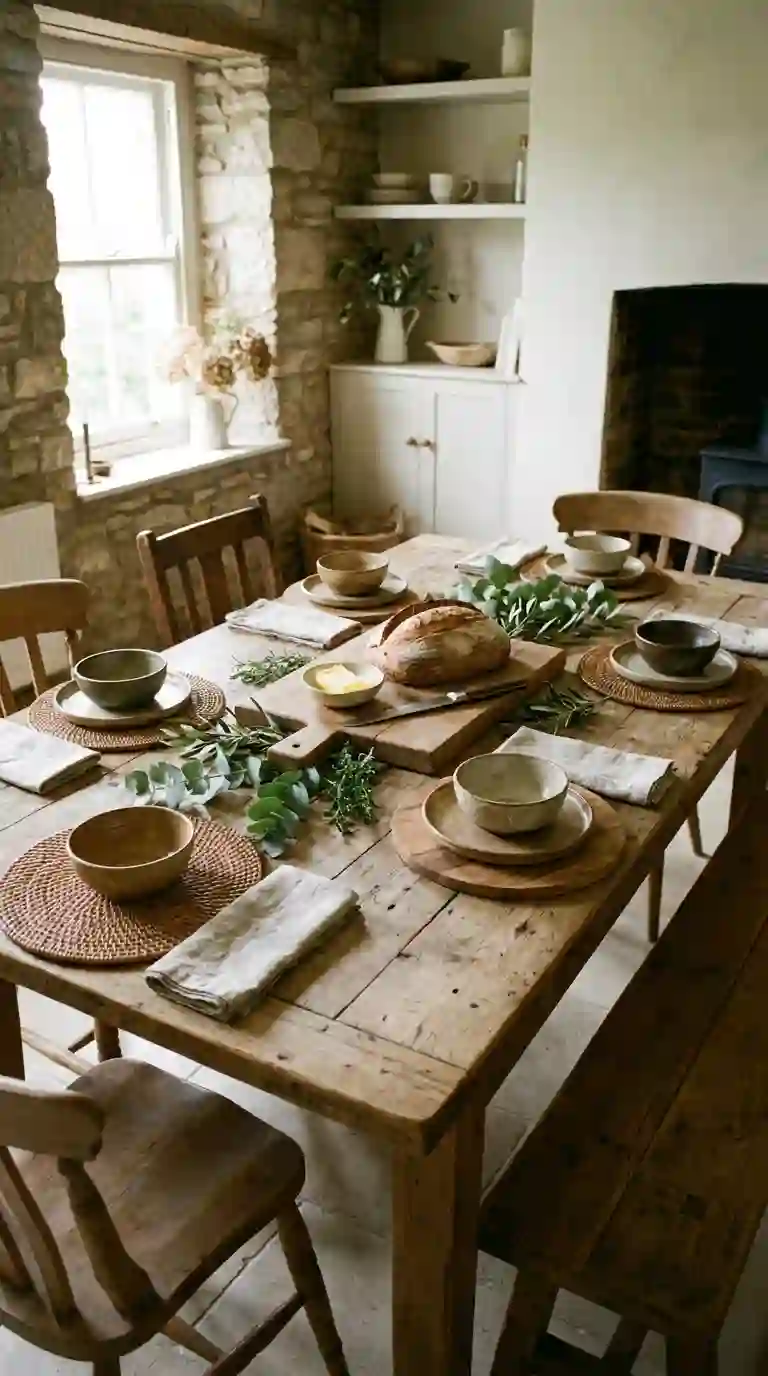
In the photo below, a simple woven setting does most of the work. The texture gives the table structure, while the plain plates keep the look calm. That balance is the decision to copy, rather than any single colour.
What size should you actually buy?
Choose the mat for the plate, not for the table. A dinner plate is typically 27 to 28 centimetres across, so a 33 by 46 centimetre mat leaves about 3 centimetres on each side and room for cutlery. On a table for four, allow at least 60 centimetres of width per setting; on a table for six, check that the mats do not overlap the centrepiece. If a mat overhangs the edge by more than 2 centimetres, it will catch sleeves and shift during a meal.
The decision is simple: measure one setting with plates and glasses in place, then buy that size for every seat. Mixed sizes look accidental unless the difference is deliberate, such as a larger charger under a smaller mat for a formal meal.
Which material suits everyday meals?
For daily use, wipe-clean vinyl or PVC wins on practicality, woven jute or seagrass wins on texture, and cotton sits between the two. Vinyl can be wiped in under a minute and handles tomato sauce, coffee and greasy fingerprints without staining. Woven mats hide crumbs better and feel warmer, but they need shaking out and spot cleaning. Cotton, shown in the photo below, looks softer and washes well, yet it needs ironing if a crisp edge matters to you.
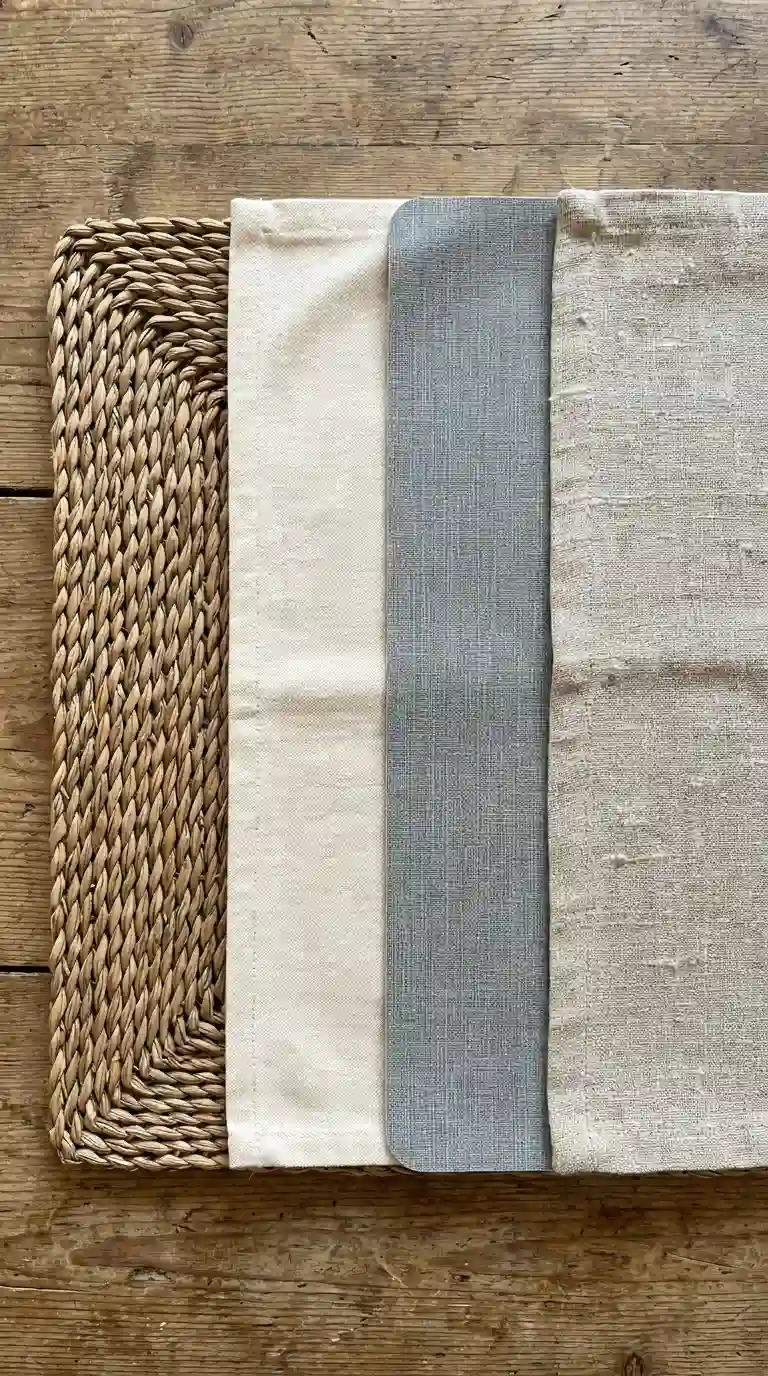
Decide by cleaning time, not by appearance alone. If you cook most nights and clean up quickly, choose vinyl for weekdays and keep cotton or linen for weekends. If you wash table linen twice a week anyway, cotton is a sensible everyday choice. Cork is another useful option for hot dishes, because it resists heat and grips the table, although it can mark if a very hot pan sits on it for a long time.
How do you make a formal table feel considered, not fussy?
Limit the table to three colours and two textures. A plain linen mat, a simple charger and one repeated detail, such as a gold rim or a woven edge, will look more considered than five competing patterns. Leave at least 30 centimetres between the mat and any centrepiece so the table does not feel filled to the edges.
Layering works when each layer has a job. In the layered setting in the photo below, the larger base mat defines the place, the smaller top mat adds colour, and the plate anchors both. Remove one layer if the setting looks busy from the doorway; a formal table should read clearly from 2 metres away. For winter gatherings, the deep green and metallic styling in the second photo below shows the same rule: one strong colour, one metallic accent, and plain glassware to keep it calm.
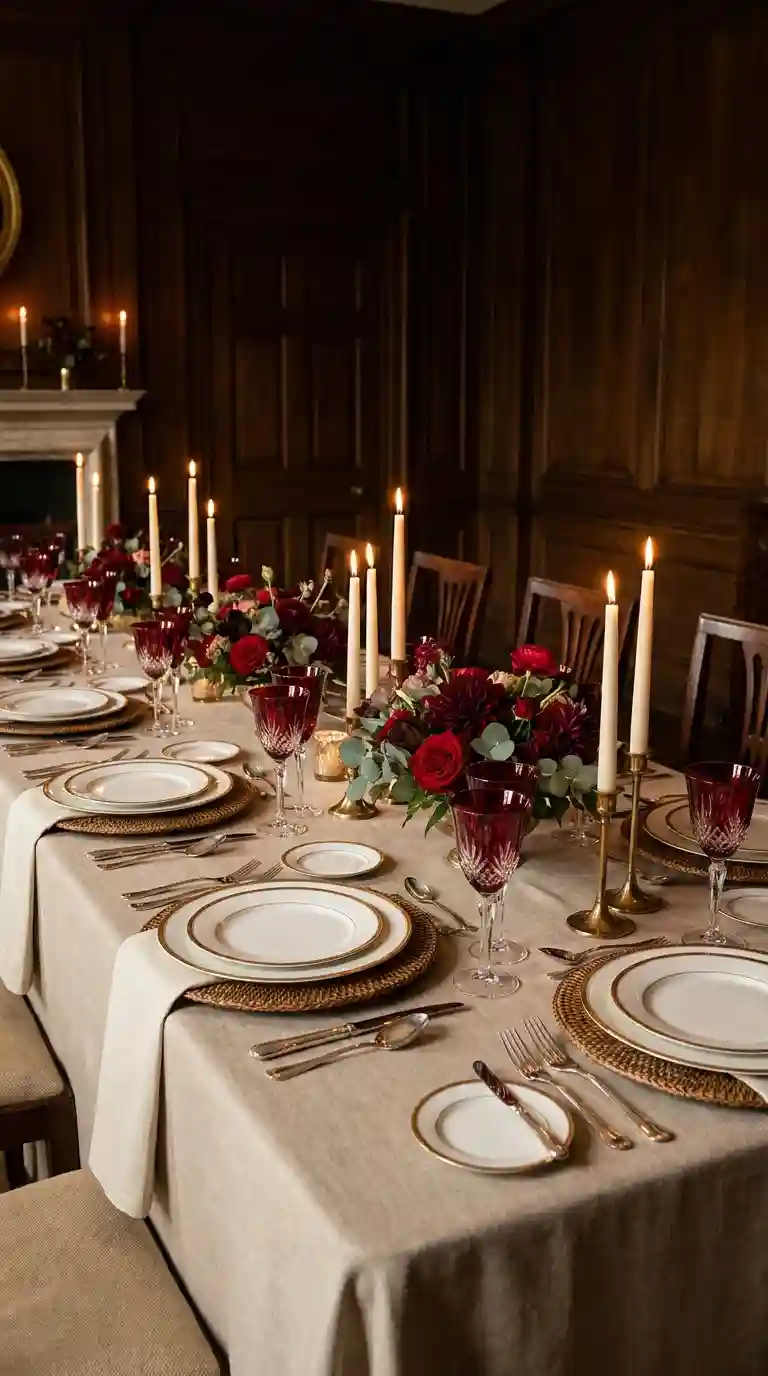
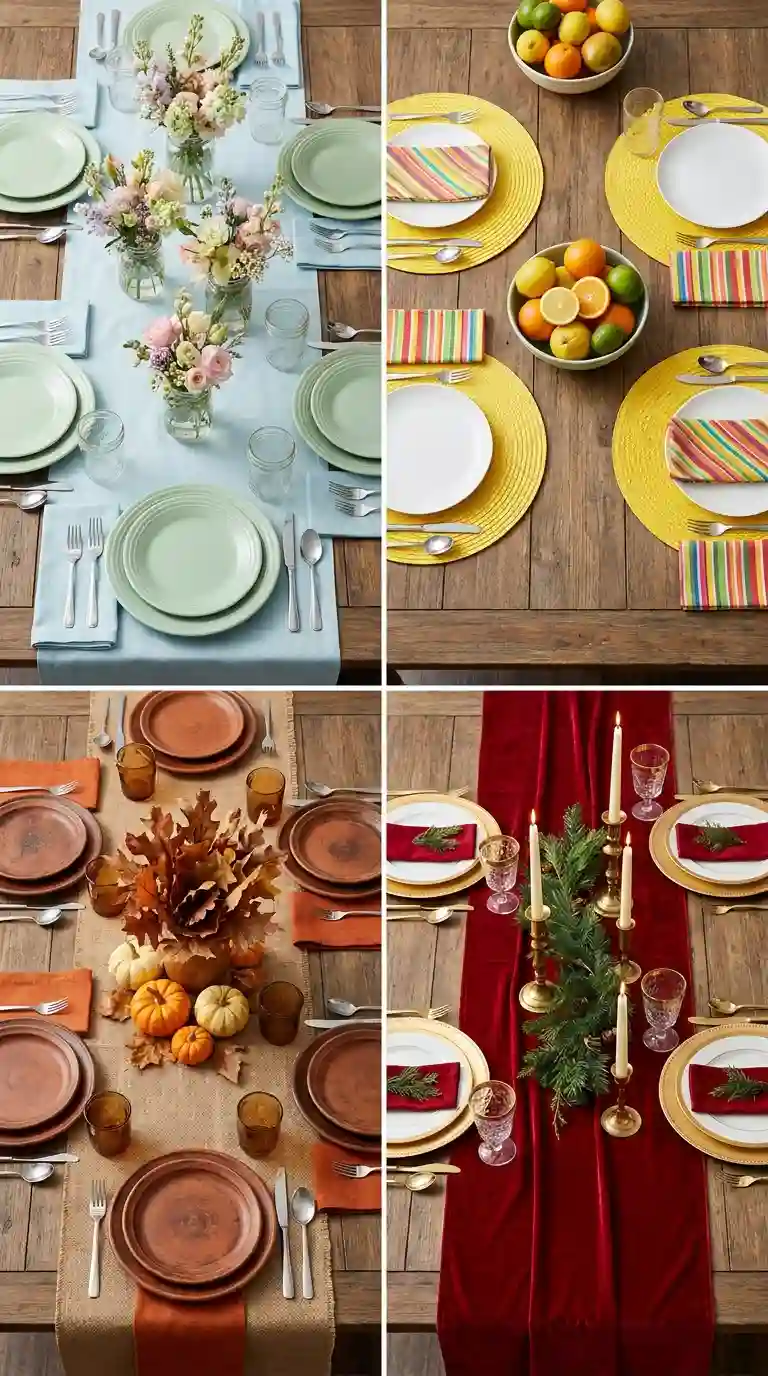
If you want a stronger dining room look, compare the scale and colour in these bold dining room styling ideas before buying a dark or patterned set, because a mat that suits a light room can disappear against a dark table.
What works when space is tight?
Choose slim, light-coloured mats and skip chargers. A mat 2 to 3 millimetres thick stores flat, slides under a runner, and does not add visual bulk. Reversible mats are worth the small premium in a small home, because one purchase covers a pale everyday look and a darker evening look without doubling storage.
Measure the narrowest part of the table, not the longest. If a round table is 90 centimetres across, four 38 centimetre round mats will leave very little room in the centre, so rectangular 30 by 40 centimetre mats may fit better. For more small-space thinking, see these ideas for making a small space feel like home, which work on the same principle: fewer, lighter pieces, repeated consistently.
Which shapes suit round, square and long tables?
Match the mat shape to the table shape first, then break the rule only for a reason. Round mats follow a round table and avoid corners poking into the next setting. Square mats suit a square table, but a 40 centimetre square mat on a 75 centimetre square table for two can look oversized, so scale down to 35 centimetres. On a long rectangular table, standard rectangular mats keep the line of settings tidy and leave a clear 20 centimetre channel down the centre for serving dishes.
The decision to test is overhang and elbow room. Sit at the table, place your hands as if eating, and check that your elbows do not push the mat. If they do, the mat is too wide for that seat, whatever its shape.
Is it worth making your own?
Making mats is worth it only if you want a specific size, fabric or colour that is hard to buy. A set of six simple cotton mats needs about 1.5 metres of fabric, a backing fabric, and 60 to 90 minutes of sewing for a confident beginner, plus washing and pressing time. Felt is faster because it does not fray: cut 33 by 46 centimetre rectangles, round the corners, and the set is ready in under 30 minutes, although felt stains more easily than vinyl.
Do not make mats to save money unless you already have fabric. Once fabric, thread and backing are counted, a handmade set often costs £25 to £45, close to a ready-made set. Make them for fit and colour, and buy them for durability. If you are also planning the table itself, read this guide to building a kitchen table from scratch before choosing mat sizes, because the table dimensions should come first.
How do you keep costs down without buying twice?
Buy one set that covers most meals, then add one seasonal set only if you host often. A neutral set in stone, oatmeal or charcoal works for about 80 percent of meals, while a second set in a strong colour covers celebrations. Buying eight mats for a six-seat table is sensible: it allows for one in the wash and one spare, without paying for a full second set.
Check three prices before deciding: the set price, the single-mat price, and the replacement cost for one damaged mat. A set that looks cheap but cannot be replaced singly becomes expensive after the first stain. Second-hand sets are worth checking, but only if all mats are the same size and the edges are intact; mixed sizes are the most common reason a bargain set stays unused.
How do you look after them so they last?
Store mats flat, not folded, and keep them away from direct sunlight when they are not in use. Cotton and linen should be washed on a gentle 30 degree cycle and dried flat where possible, because tumble drying can shrink cotton by 2 to 3 percent. Vinyl needs only a damp cloth and mild soap, while woven mats should be shaken outside and spot-cleaned with a barely damp cloth.
The cork mat in the photo below is a good test case: it handles heat well, but it should not be soaked, and it should be dried flat after spot cleaning. Replace a mat when the edge frays, the backing peels, or a stain remains visible from a normal seating distance of about 1 metre. Keeping a set for 2 to 3 years of regular use is a reasonable expectation; beyond that, fading and wear usually matter more than the original material.
Questions worth asking before you buy
What size should a placemat be? For most tables, 33 by 46 centimetres for a rectangular mat, or 38 centimetres across for a round mat, gives a plate room and leaves cutlery space without crowding the next setting.
What material is best for everyday use? Vinyl or PVC for fast cleaning, woven jute or seagrass for texture, and cotton if you already wash table linen regularly. Choose by cleaning time first.
Do placemats need to match the tablecloth? No. They need to coordinate. Pick one colour from the cloth or the room, repeat it in the mat, and keep the other colours plain so the table does not compete with itself.
Can you use placemats without a tablecloth? Yes, and that is often the point. A mat protects the table, defines each place, and lets the table surface itself become part of the look.
How many placemats do you need? One per seat, plus two spares. For a six-seat table, buy eight, so washing and accidents do not leave a seat unmatched.
Start with size, material and cleaning, in that order. A mat that fits, cleans easily and suits the table shape will look right far more often than a striking mat that fails on any one of those three tests.





11 Comments on “Placemats That Actually Work: Size, Material and Styling, Sorted”