
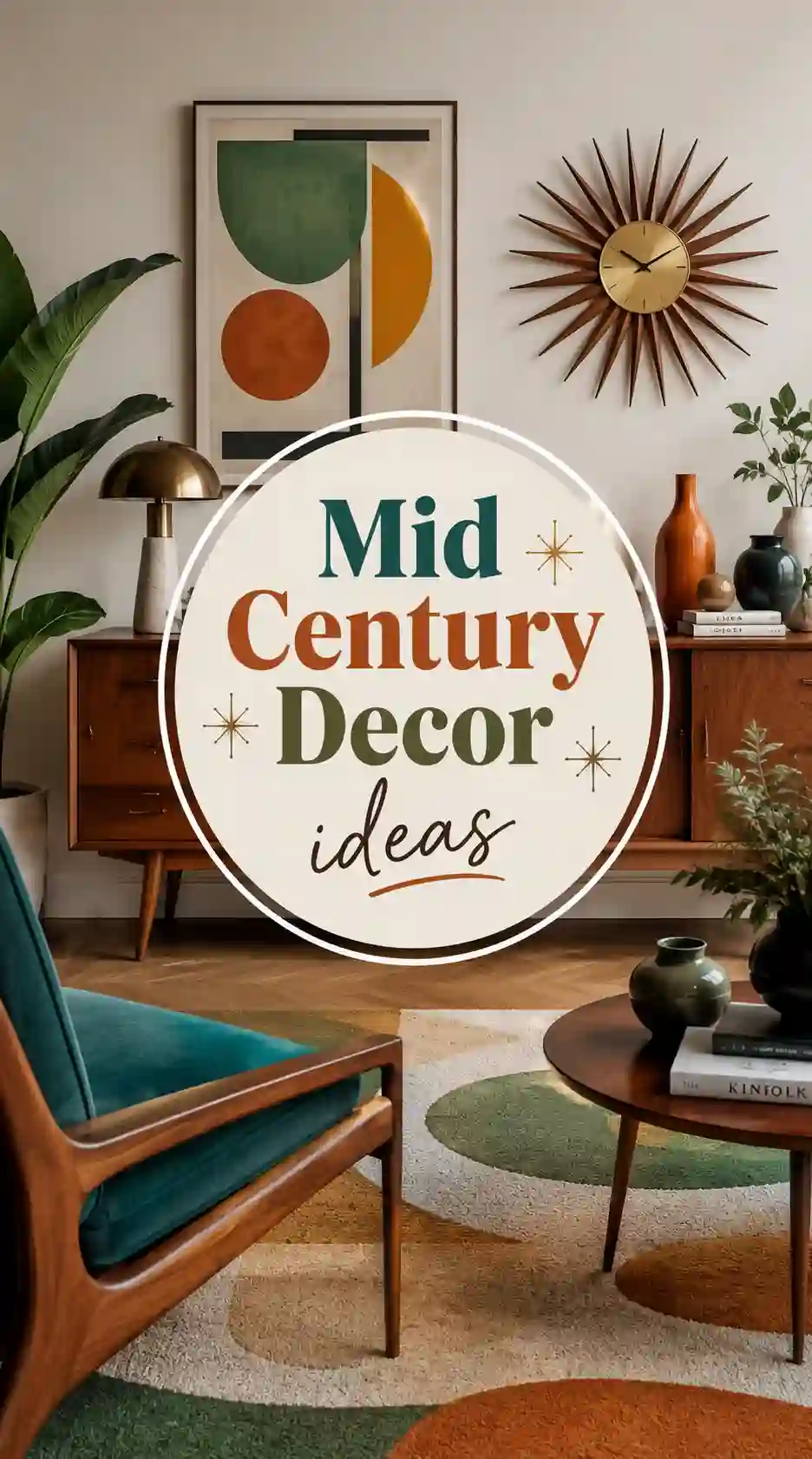
I still remember the first time I walked into a friend’s apartment and saw a walnut credenza sitting under a starburst mirror, with a mustard yellow chair angled just slightly toward the window. Nothing in that room looked expensive. Nothing looked new. But somehow the whole space felt calm, warm, and put together in a way I could not stop thinking about for weeks. That was my real introduction to mid century decor, and honestly, it changed the way I look at furniture forever.
If you are reading this, chances are you have felt something similar. Maybe you scrolled past a photo online, or walked into a coffee shop with tapered wooden legs on every table, or saw a rerun of an old show where the living room set just felt right. Mid century decor has a way of pulling people in without shouting for attention, and that quiet confidence is exactly why it has stuck around for more than seventy years.
In this guide, I want to walk you through everything I have learned about mid century decor over the years, from the history behind it to the small details that make it work in real homes, not just in magazine spreads. This is not a rushed list of tips. It is a proper, honest, room by room look at how to bring this style into your own space, whether you live in a huge house or a tiny studio apartment.
Grab a coffee, get comfortable, and let us get into it.
Also Read : 45 Genius Apartment Wall Decor Ideas That Instantly Make Rented Rooms Feel Like Home
What Is Mid Century Decor, Really?
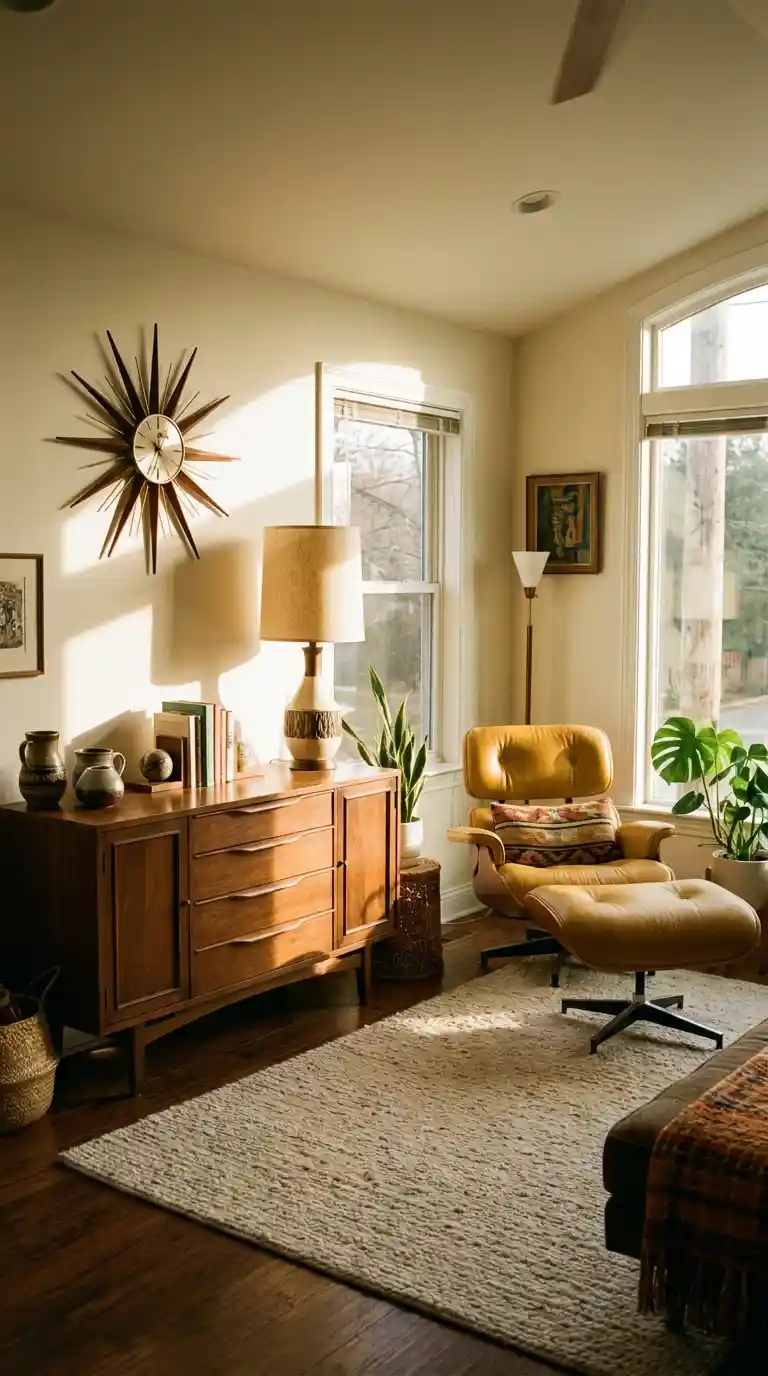
When people say mid century decor, they usually mean a design style that grew out of the middle of the twentieth century, roughly from the late 1940s through the early 1970s. It was a period when designers started moving away from heavy, ornate furniture and leaned into cleaner lines, simple forms, and materials that felt honest rather than fussy.
But mid century decor is not just about a time period on a calendar. It is a feeling. It is the idea that furniture should be functional first, beautiful second, and never overly decorated just for the sake of it. Think tapered wooden legs, organic curves, bold but controlled color choices, and a general sense that every piece in the room has earned its place.
I like to describe mid century decor to friends this way: imagine furniture designed by someone who genuinely believed that everyday objects deserved thoughtful design, not just rich people’s furniture, but chairs and tables meant for regular families. That belief is baked into every piece of authentic mid century decor, and it is part of why the style still feels so approachable today.
The Difference Between Mid Century Decor and Mid Century Modern
A lot of people use these two terms interchangeably, and honestly, in casual conversation, that is fine. But if you want to get a little technical, mid century modern usually refers specifically to the architectural and furniture design movement, while mid century decor is the broader idea of decorating a home using elements inspired by that era.
So when someone says they want mid century decor in their apartment, they usually mean they want the overall look and feeling, the colors, the textures, the vibe, rather than strictly museum accurate furniture pieces from a specific decade. That distinction matters because it gives you freedom. You do not need original vintage pieces to create beautiful mid century decor. You just need to understand the principles behind the style.
A Little History Behind Mid Century Decor Because It Actually Matters
I know, I know, history sections in blog posts can feel like homework. But understanding where mid century decor came from actually helps you make better decisions when you are decorating your own home, so bear with me for a moment.
After the second world war ended, there was a huge shift in how people lived. Families were growing, suburbs were expanding, and there was a real demand for affordable, functional furniture that could be produced quickly and still look good. Designers like Charles and Ray Eames, George Nelson, Eero Saarinen, and Florence Knoll started experimenting with new materials like molded plywood, fiberglass, and industrial metal, combining them with natural wood in ways that had not really been done before.
This is exactly why mid century decor feels so different from the heavier, more traditional styles that came before it. Instead of dark, carved wood furniture with lots of detail, mid century decor introduced lighter woods, smoother surfaces, and shapes inspired by nature and even space age design, since this was also the era of the space race.
What I find fascinating is that mid century decor was never meant to be trendy in the way we think of trends today. It was meant to be practical and forward thinking. The fact that it has become one of the most enduring styles in interior design says a lot about how well the original ideas were executed.
Why Mid Century Decor Faded and Then Came Roaring Back
Like most styles, mid century decor eventually lost its spot as the dominant trend. By the late 1970s and into the 1980s, tastes shifted toward heavier, more maximalist looks, and a lot of that beautiful mid century furniture ended up forgotten in basements, thrift stores, and estate sales.
Then, somewhere in the 2000s, a combination of things happened. Television shows set in that era became popular, minimalism started trending again, and people began appreciating the craftsmanship behind those old pieces. Suddenly, mid century decor was everywhere again, not as a nostalgic throwback, but as a genuinely fresh feeling style for modern homes.
I think that says something important. Mid century decor was not revived because it looked old fashioned in a cute way. It came back because the design principles behind it, simplicity, function, and warmth, never really stopped being relevant.
Why Mid Century Decor Still Feels Fresh Today
Here is something I tell every friend who asks me about redecorating their home. Mid century decor works so well in modern spaces because it was designed with a kind of restraint that most other historical styles did not have.
Modern homes, especially apartments and smaller houses, benefit from furniture that does not overwhelm a room. Mid century decor pieces tend to have slim profiles, raised legs that let light travel underneath them, and a general lack of bulk. This makes rooms feel more open, even when they are not particularly large.
There is also the color story. Mid century decor uses warm woods, earthy tones, and the occasional bold pop of color like burnt orange, teal, or mustard, but it does this in a balanced way rather than going overboard. That balance is something a lot of modern homeowners are drawn to, especially after years of very stark, all white minimalist interiors that can sometimes feel cold.
And honestly, there is a nostalgia factor too. A lot of people grew up around grandparents’ furniture that we now recognize as mid century decor, and there is something comforting about surrounding yourself with a style that feels both fresh and familiar at the same time.
Also Read : 60 Adorable Hello Kitty Room Ideas That Will Turn Any Bedroom Into A Dreamy Pink Paradise
The Core Elements of Mid Century Decor
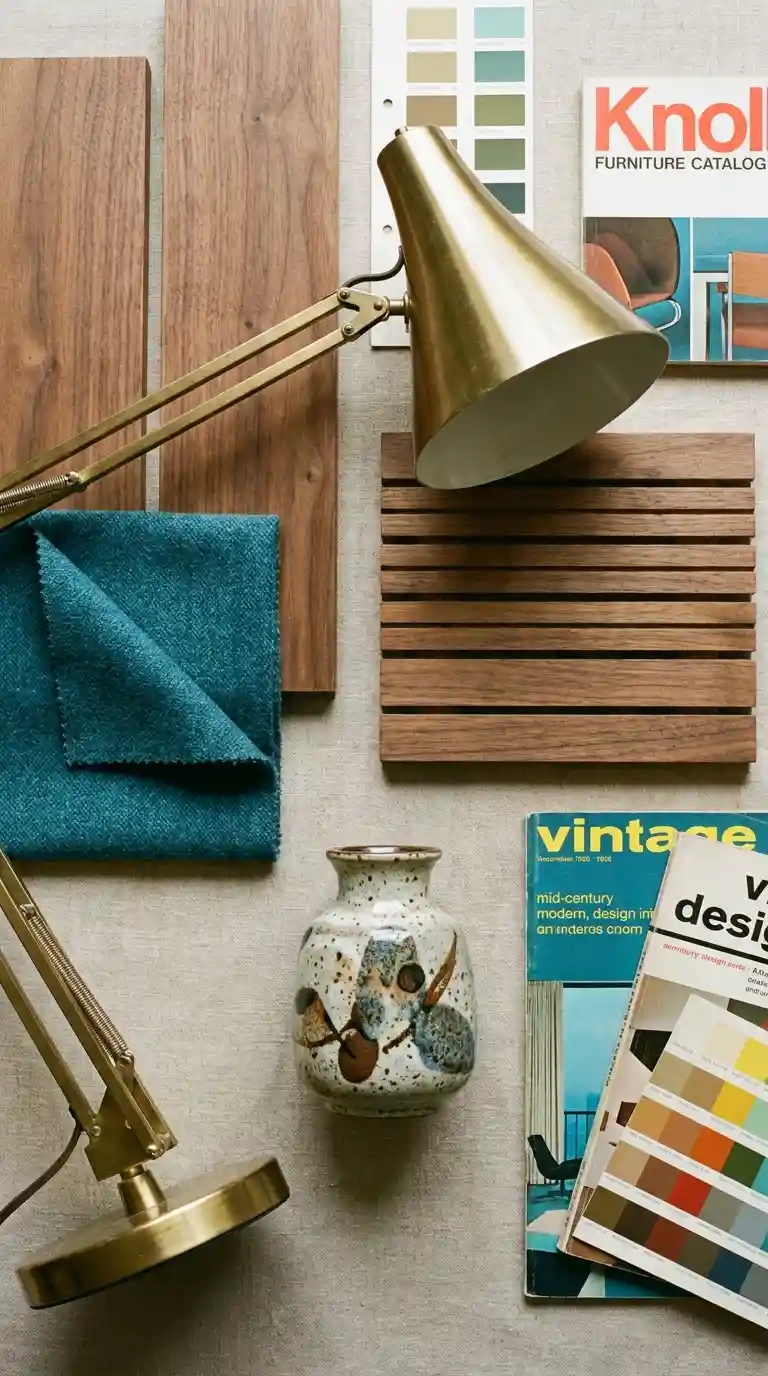
If you want to really understand how to decorate with this style, it helps to break mid century decor down into its core building blocks. Once you understand these elements, you can mix and match pieces from different brands, price points, and even different decades, and still end up with a cohesive mid century decor look.
Furniture Shapes and Silhouettes in Mid Century Decor
The first thing you will notice about mid century decor furniture is the shape. Tapered legs, usually angled outward rather than straight down, are one of the most recognizable features. You will see this on chairs, sofas, coffee tables, and even dressers.
Curved lines are another signature. Instead of hard rectangular edges, a lot of mid century decor furniture has softened corners, gentle curves in the backrests of chairs, or organic shapes in coffee tables that look almost sculptural.
Low profiles are also key. Sofas and chairs from this era tend to sit lower to the ground compared to a lot of modern furniture. This was partly a design choice and partly practical, since lower furniture makes ceilings feel higher and rooms feel more spacious.
Wood Tones That Define Mid Century Decor
Wood is basically the backbone of mid century decor. Walnut is probably the most iconic choice, with its rich, warm brown tones and visible grain. Teak is another favorite, especially in pieces influenced by Scandinavian design, offering a slightly lighter, honey colored finish.
What I really appreciate about the wood choices in mid century decor is that the grain is usually left visible rather than painted over or heavily lacquered. This gives every piece a natural, almost organic feeling, like the furniture is still connected to the tree it came from.
If you are trying to build a mid century decor look in your own home, staying consistent with your wood tones, even if the pieces come from different sources, will instantly make everything feel more intentional and less like a random collection of furniture.
Color Palettes for Mid Century Decor
When people think of mid century decor colors, a few shades usually come to mind immediately. Mustard yellow, burnt orange, avocado green, teal, and deep rust are all classic choices. These colors were inspired by nature and by the optimism of the era, and they still feel warm and inviting today.
That said, mid century decor is not only about bold colors. A lot of the base palette is actually quite neutral, think warm whites, soft beige, and various shades of brown from the wood furniture. The bold colors are usually used as accents, in a single chair, a rug, or some throw pillows, rather than covering every surface in the room.
This balance between neutral bases and bold accents is one of the reasons mid century decor feels sophisticated rather than gaudy. It gives you plenty of room to express your own personality without the space feeling chaotic.
Mid Century Decor Living Room Ideas
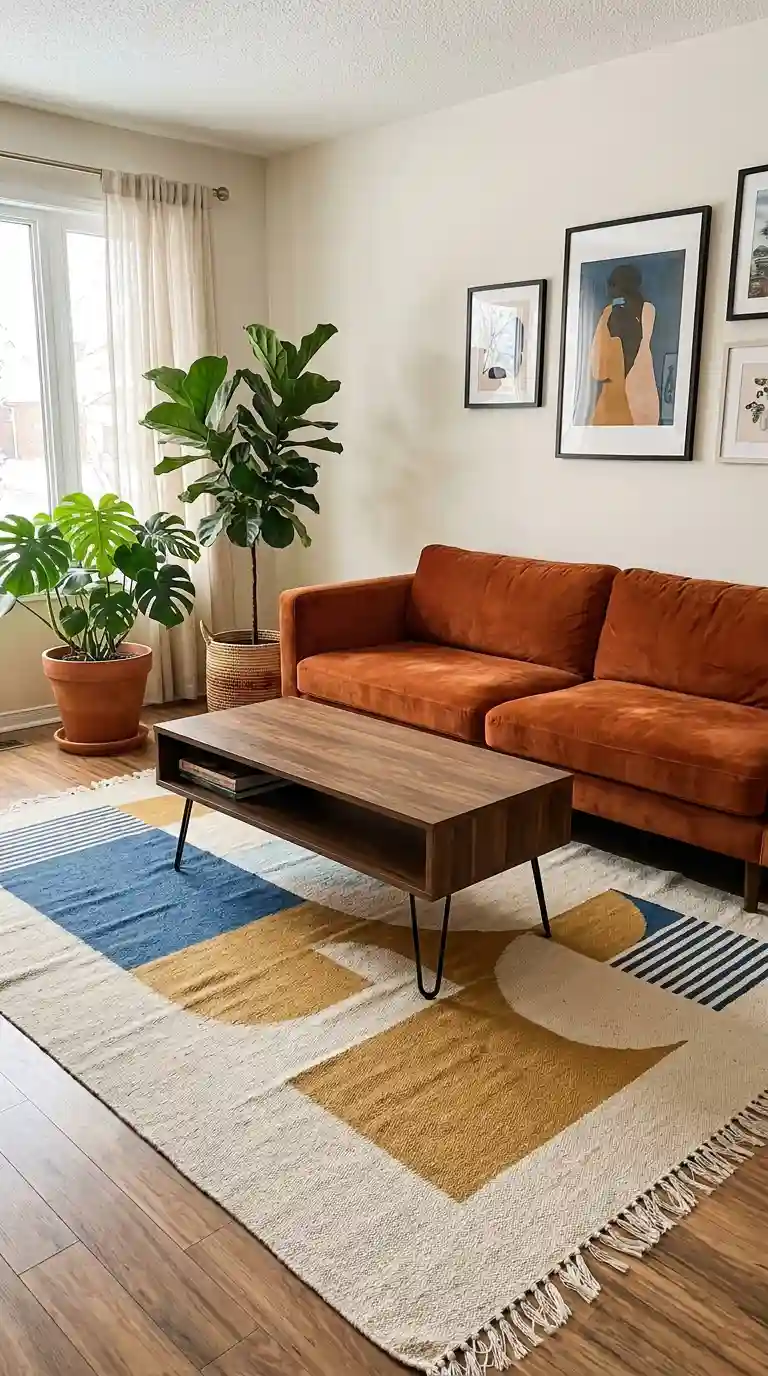
The living room is usually where people start when they decide to bring mid century decor into their home, and honestly, it makes sense. This is the room where you spend the most time, entertain guests, and want the design to make a real statement.
Start with your seating. A low profile sofa, ideally with tapered wooden legs and a simple, clean silhouette, is a great anchor piece. Pair it with an accent chair in a bold color, maybe a teal or mustard, angled slightly toward the sofa rather than facing it head on. This slight asymmetry is very true to authentic mid century decor styling.
Your coffee table should feel like a piece of art on its own. Look for organic shapes, kidney or boomerang forms are classic, or a simple rectangular table with hairpin or tapered legs. Walnut or teak finishes work beautifully here.
Do not forget about your rug. A geometric patterned rug in warm tones ties the whole room together and adds texture underfoot. Layering in a few throw pillows in complementary colors, and maybe a textured throw blanket, softens the space without cluttering it.
Lighting matters just as much as furniture in mid century decor living rooms. A sculptural floor lamp, something with a brass or wooden base and a simple drum shade, adds both function and style. If you have the ceiling height, a starburst pendant light or a simple globe fixture can become the focal point of the entire room.
Wall Decor Ideas for Mid Century Decor Living Rooms
Walls in mid century decor living rooms are usually kept fairly simple, but not bare. A large abstract painting in warm, earthy tones works beautifully, especially something with organic shapes rather than sharp geometric patterns.
Gallery walls were not really a huge part of the original mid century decor movement, but a curated arrangement of a few art pieces, maybe combined with a wood framed mirror, can work well in a modern take on the style. The key is restraint. Choose fewer pieces, but make sure each one feels intentional.
Must Read : 75 Gorgeous Orange Decor Ideas That Will Instantly Warm Up Every Room In Your Home
Mid Century Decor for Bedrooms
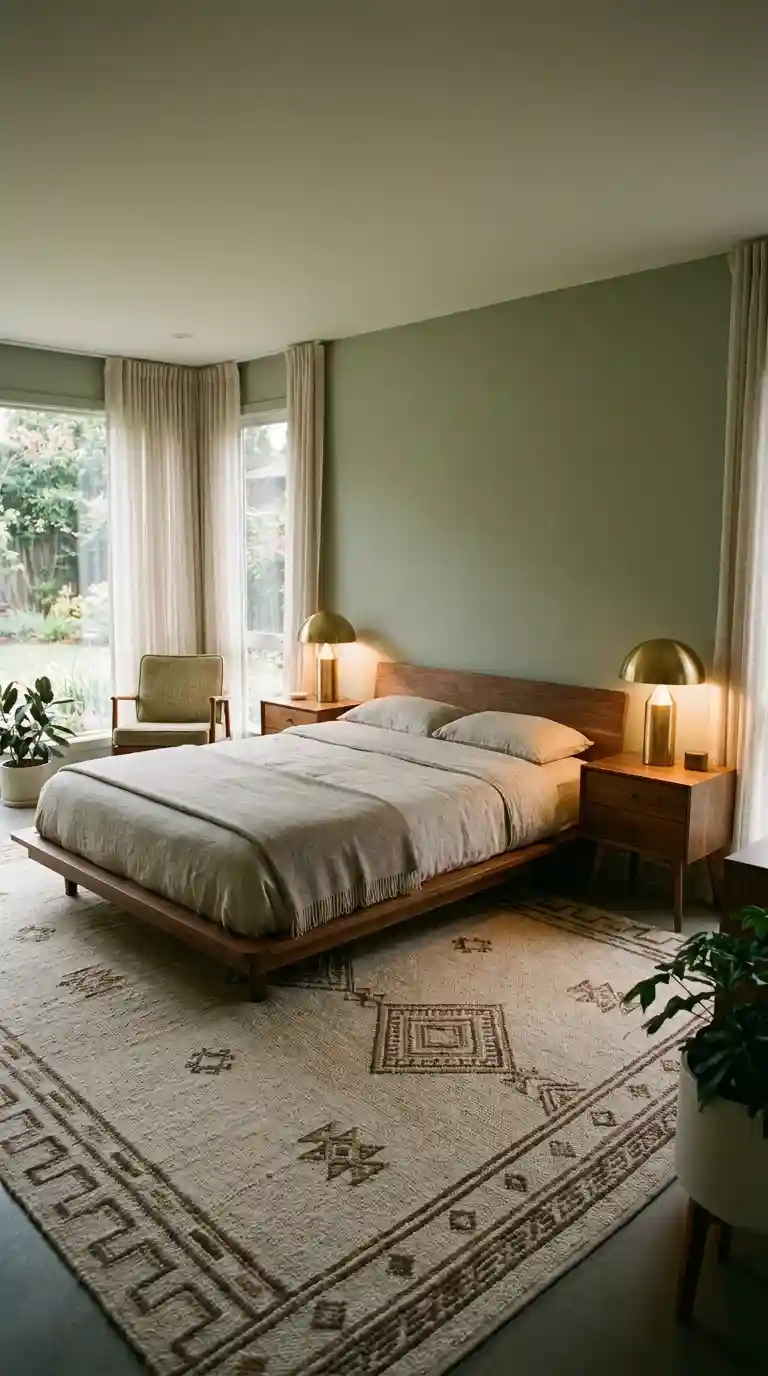
Bedrooms styled with mid century decor tend to feel incredibly restful, and I think that comes down to the simplicity of the furniture and the warmth of the color choices. Unlike some other styles that pile on decorative elements, mid century decor bedrooms usually keep things fairly minimal.
Start with your bed frame. A low platform bed in walnut or teak, with simple, clean lines and maybe a slightly angled headboard, is the classic choice. Skip anything with heavy ornamentation or tufted upholstery, since that tends to clash with the overall aesthetic.
Nightstands should match the bed frame in wood tone, and again, tapered legs are your friend here. Pair them with a simple table lamp, ideally something with a brass or walnut base and a fabric drum shade.
For bedding, stick to warm neutrals as your base, think cream, soft beige, or warm gray, and then add color through throw pillows or a folded blanket at the foot of the bed. Mustard, rust, or deep green are all great choices that stay true to mid century decor without overwhelming the calm feeling of a bedroom.
Dressers and Storage in Mid Century Decor Bedrooms
A mid century decor dresser is often one of the easiest pieces to find secondhand, since so many were produced during the original era and many families still have them tucked away. Look for pieces with simple hardware, often small round or angular pulls, and clean drawer fronts without heavy carving.
If you cannot find an original piece, plenty of modern furniture brands now produce very faithful reproductions. Just pay attention to the proportions and the leg style, since those details are what really sell the mid century decor look.
Mid Century Decor in the Kitchen
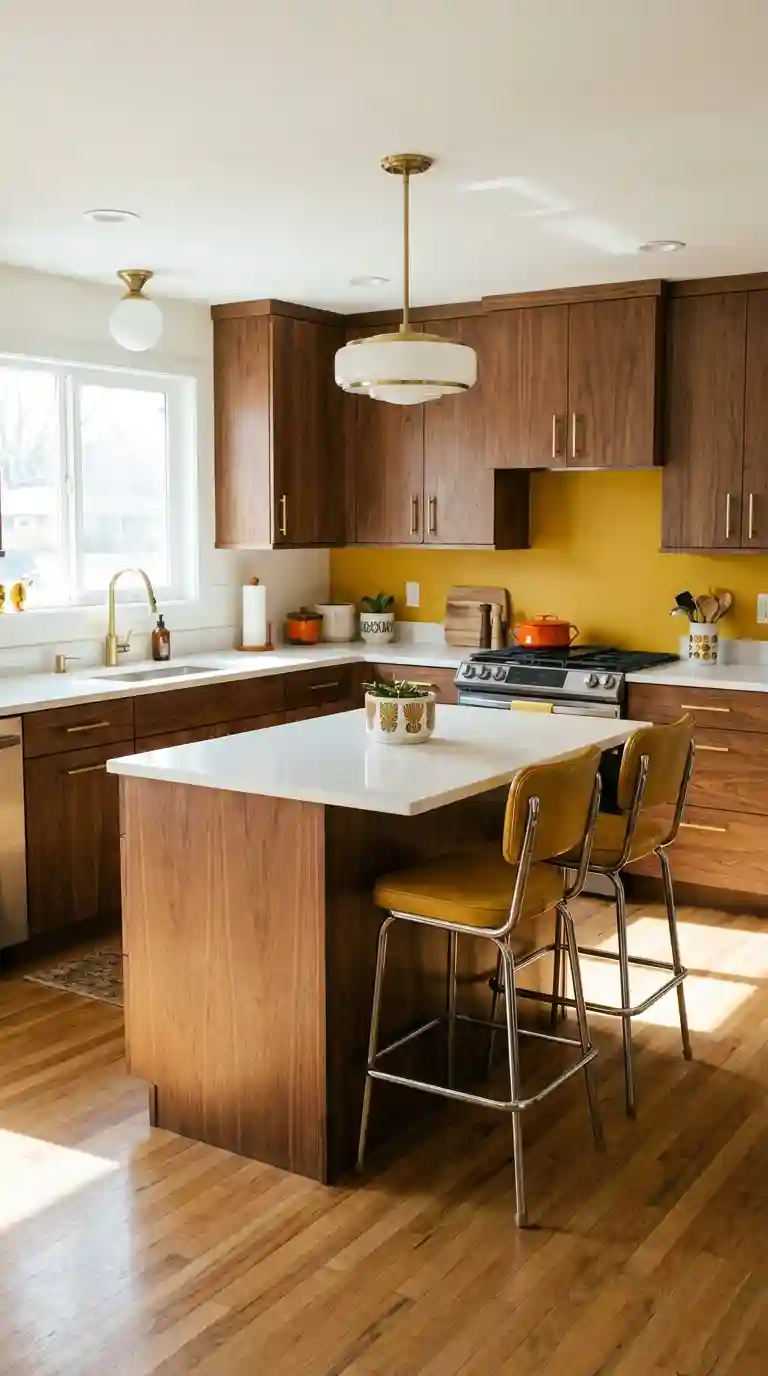
Kitchens are a little trickier when it comes to mid century decor, mostly because kitchen design has changed so much since the 1950s and 1960s. Full cabinetry replacements from that era are not always practical, but there are still plenty of ways to bring in the feeling.
Wood tones are your best friend here. If you are renovating, consider warm wood cabinet fronts or lower cabinets in a rich walnut tone paired with lighter upper cabinets or open shelving. Brass or copper hardware adds another authentic touch.
If a full renovation is not in the cards, smaller updates can still make a difference. Vintage style bar stools with tapered legs at your kitchen island, a bold colored small appliance like a mustard yellow kettle or a teal toaster, and open shelving displaying ceramic dishware can all bring a taste of mid century decor into an otherwise modern kitchen.
Lighting fixtures above your island or dining area are another easy win. A simple globe pendant or a cluster of small glass pendants in a warm finish instantly nods to the era without requiring any major construction work.
Mid Century Decor for Small Spaces and Apartments
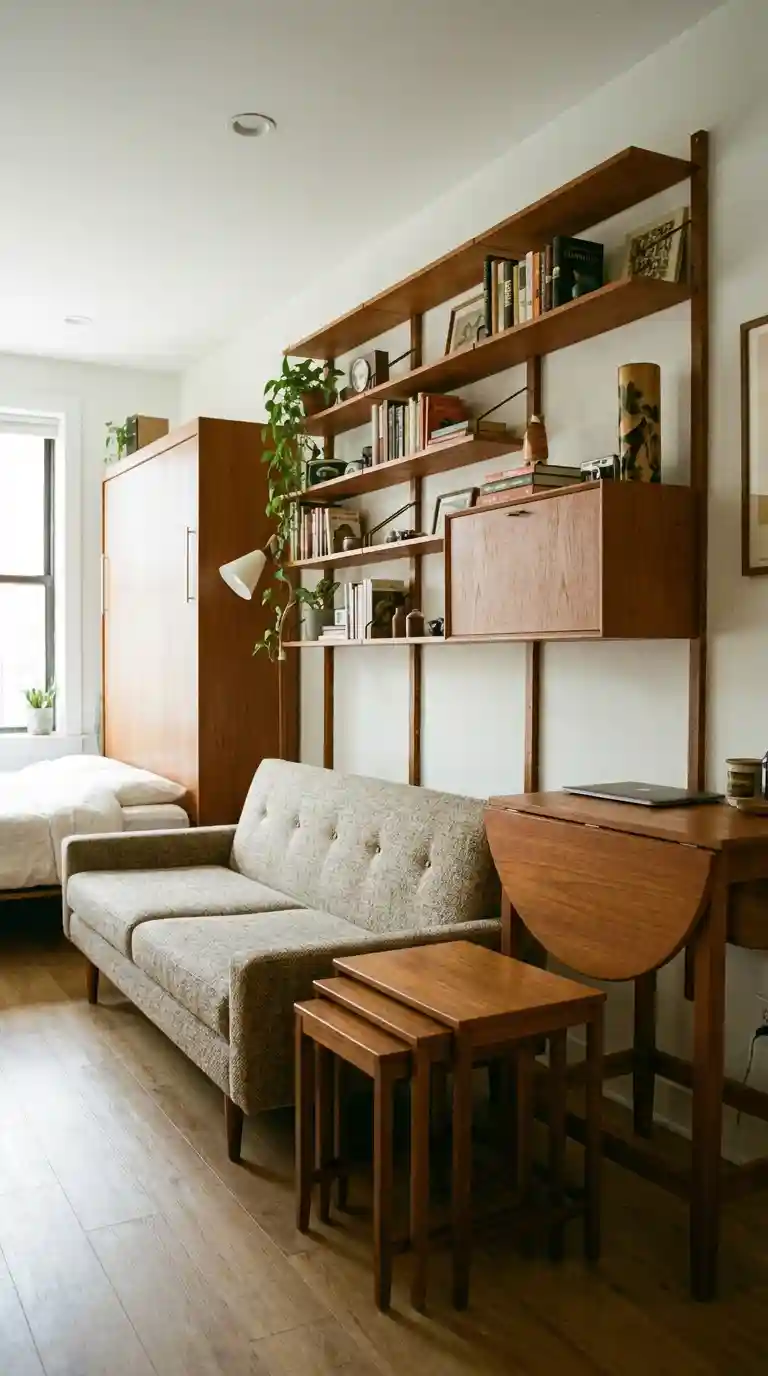
One of the reasons I personally love mid century decor is how well it works in small spaces. Because the furniture tends to be lower, slimmer, and raised off the floor on legs, rooms feel less cramped even when square footage is limited.
If you are working with a small apartment, look for multifunctional pieces. Nesting tables are a classic mid century decor solution, since you can tuck the smaller tables away when you need extra floor space and pull them out when guests come over. A daybed instead of a full sofa can double as extra seating and a guest bed.
Wall mounted shelving is another great option, since it keeps your floor space open while still giving you storage and display space for books, plants, and decorative objects. Look for shelving with simple wood and metal construction, avoiding anything too bulky or heavily detailed.
Mirrors also do a lot of work in small mid century decor spaces. A large round or sunburst mirror not only adds a classic decorative element but also bounces light around the room, making it feel bigger than it actually is.
Also Read : 45 Bold Hallway Paint Ideas That Will Instantly Brighten And Transform Your Home
Color Tricks for Small Mid Century Decor Rooms
In smaller rooms, I usually recommend keeping your wall color light and neutral, then letting your furniture and accessories carry the bold mid century decor colors. A warm white or soft beige wall makes a small room feel more open, while a mustard chair or teal throw pillow still gives you that signature mid century decor pop of color.
If you really want to commit to a bolder look, painting just one accent wall in a deep, warm tone like rust or forest green can work beautifully, especially if the rest of the room stays fairly neutral to balance it out.
Lighting Choices That Make Mid Century Decor Shine
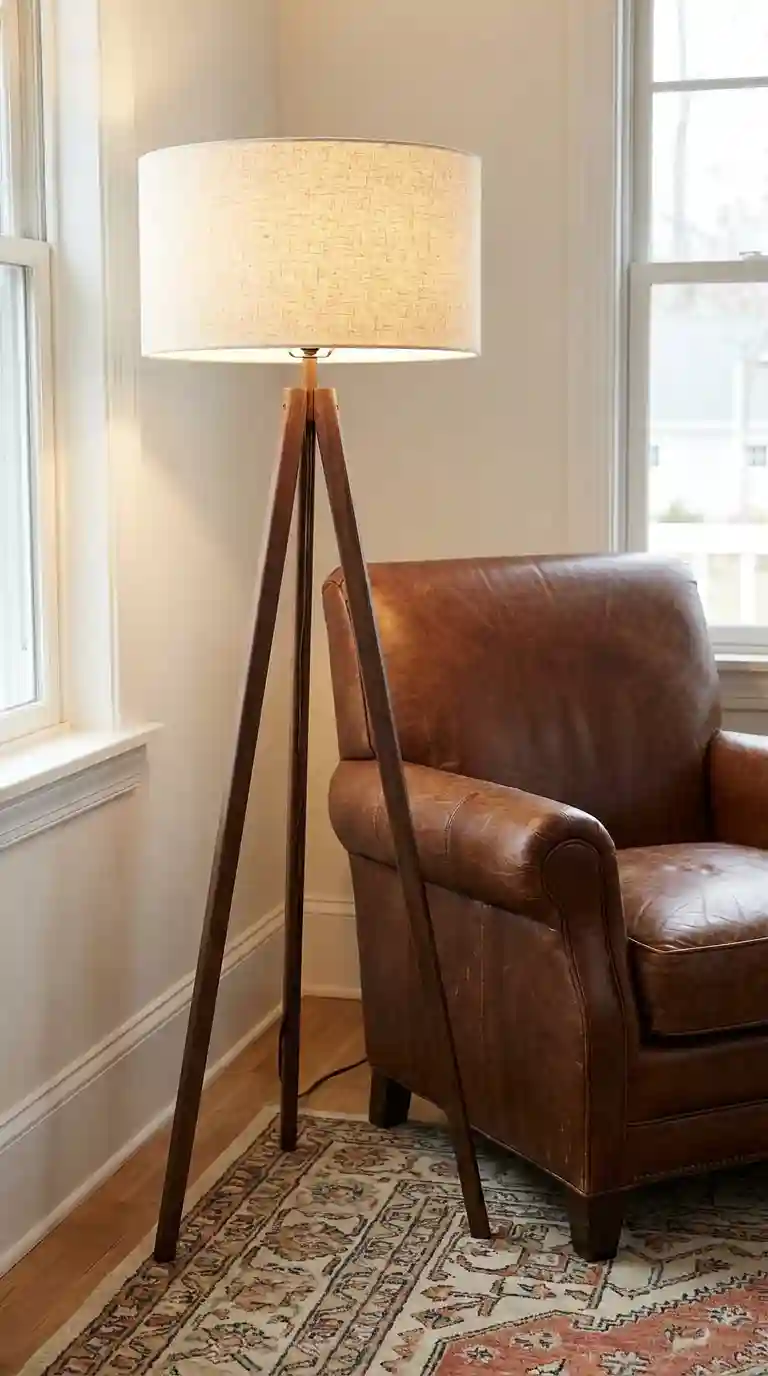
I genuinely believe lighting is one of the most underrated parts of mid century decor. People spend so much time picking out sofas and coffee tables and then grab whatever lamp is cheapest at a big box store, which really undercuts the whole aesthetic.
Look for lighting with sculptural qualities. Tripod floor lamps with wooden legs, arc lamps with a marble base, and pendant lights with simple geometric shades are all classic mid century decor choices. Materials like brass, walnut, and frosted glass show up again and again in lighting from this era.
Table lamps deserve just as much attention. A ceramic base in an earthy glaze, paired with a simple fabric shade, can instantly elevate a nightstand or side table. Avoid anything overly ornate or with excessive detailing, since simplicity is really the heart of mid century decor lighting.
If your budget allows, a statement pendant light in your dining room or entryway can become a real conversation piece. Starburst fixtures, cascading glass globe chandeliers, and simple drum pendants are all excellent choices that feel authentic to the era without looking like a costume.
Textiles and Fabrics in Mid Century Decor
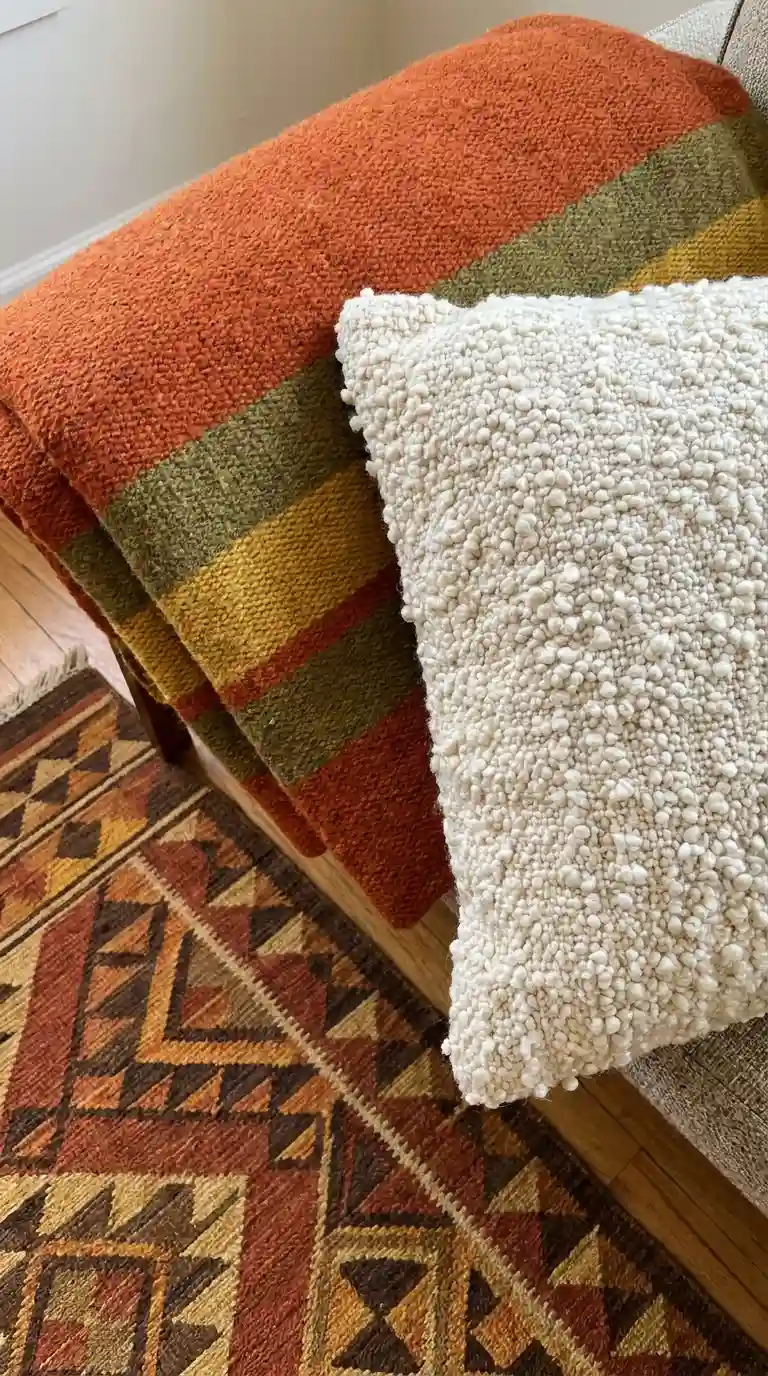
Fabric choices play a bigger role in mid century decor than people often realize. The right textiles can make a room feel warm and lived in, while the wrong choices can make even the most authentic furniture feel a little flat.
Wool, tweed, and bouclé are all classic mid century decor fabric choices. They have a natural texture that pairs beautifully with the smooth wood surfaces found throughout the style. Velvet also shows up often, particularly in jewel tones like emerald or deep amber, adding a touch of richness without feeling overly formal.
Patterns tend to be geometric or abstract, inspired by nature but stylized into cleaner shapes. Think atomic patterns, boomerang shapes, and simple stripes or chevrons. These patterns show up on everything from throw pillows to curtains to area rugs.
When you are shopping for textiles to complement your mid century decor, try to stick to a cohesive color story. If your main accent color is mustard, look for a rug or curtains that pick up on that same warm yellow tone, even if the exact shade varies slightly. This kind of subtle repetition is what makes a room feel professionally designed rather than randomly decorated.
Read Also : 50 Gorgeous Table Placemat Ideas That Will Instantly Upgrade Your Dining Table
Wall Art and Accessories for Mid Century Decor
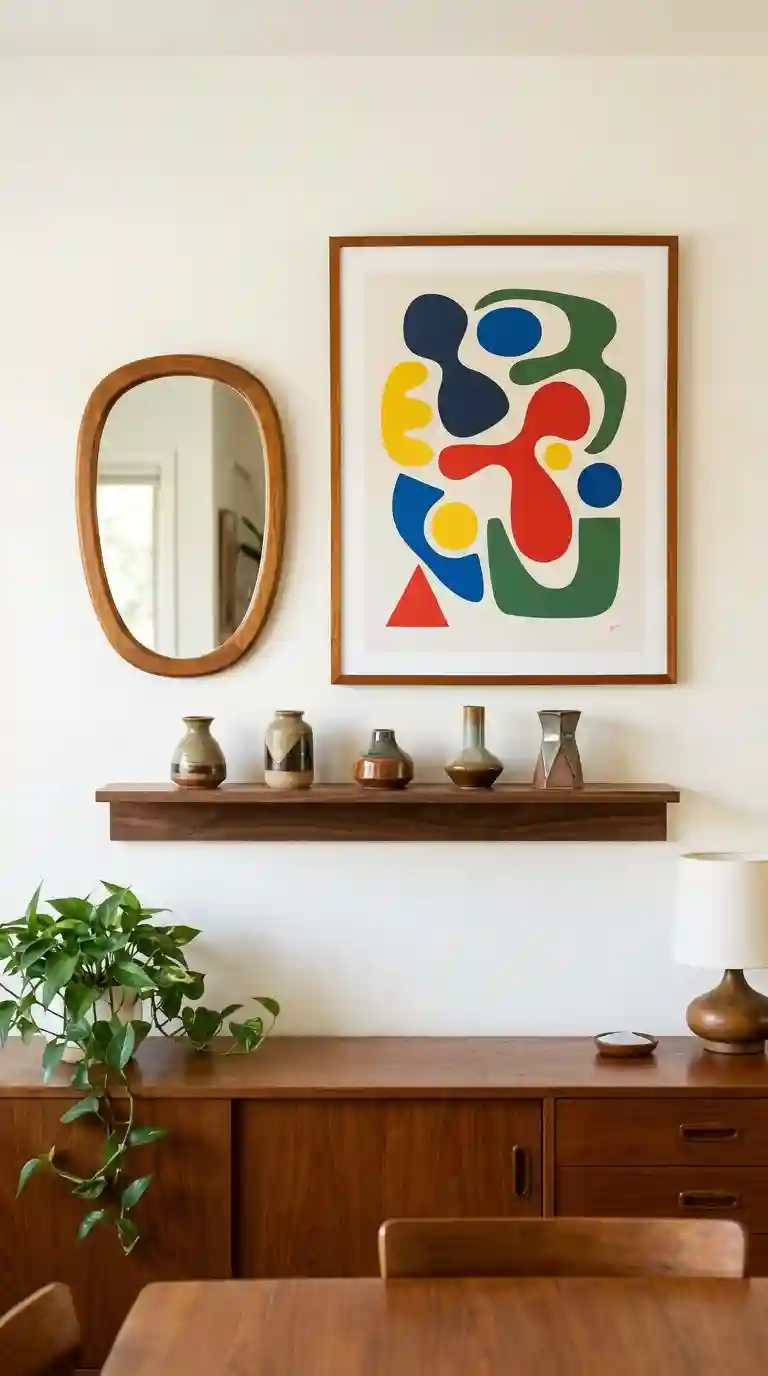
Accessories are where you really get to have fun with mid century decor, since these smaller pieces let you experiment without committing to a big furniture purchase. Ceramic vases, sculptural bookends, and small wooden bowls are all easy ways to bring the style into your home on a smaller scale.
Wall art in mid century decor homes tends to lean abstract, with organic shapes and warm color palettes. Original art from the era can be expensive, but there are countless modern artists creating prints inspired by that same aesthetic, often for a fraction of the price.
Plants also play a surprisingly important role. Large leafy plants in simple ceramic or woven planters were common in homes from this era, and they still work beautifully today, adding life and texture to a room full of wood and fabric.
Clocks, especially starburst or simple round wall clocks with wood accents, are another small but effective way to nod to mid century decor without a big investment. These pieces are usually affordable and easy to find, even from budget retailers who have started producing mid century decor inspired accessories.
Flooring That Complements Mid Century Decor
Flooring is not something people always think about when planning their mid century decor, but it genuinely makes a difference. Original homes from this era often featured hardwood floors, sometimes in a lighter oak finish, sometimes darker, paired with area rugs for warmth and texture.
If you already have hardwood floors, you are in great shape. A medium to warm toned wood works beautifully with most mid century decor furniture. If your existing floor is very dark or very light, do not worry, you can still balance things out with the right rug and furniture wood tones.
For those working with carpet, especially in bedrooms, a low pile neutral carpet keeps the focus on your furniture and textiles rather than competing with them. Area rugs are still worth adding even over carpet, since they help define separate zones within a room and bring in those classic mid century decor patterns and colors.
Mixing Mid Century Decor With Other Styles
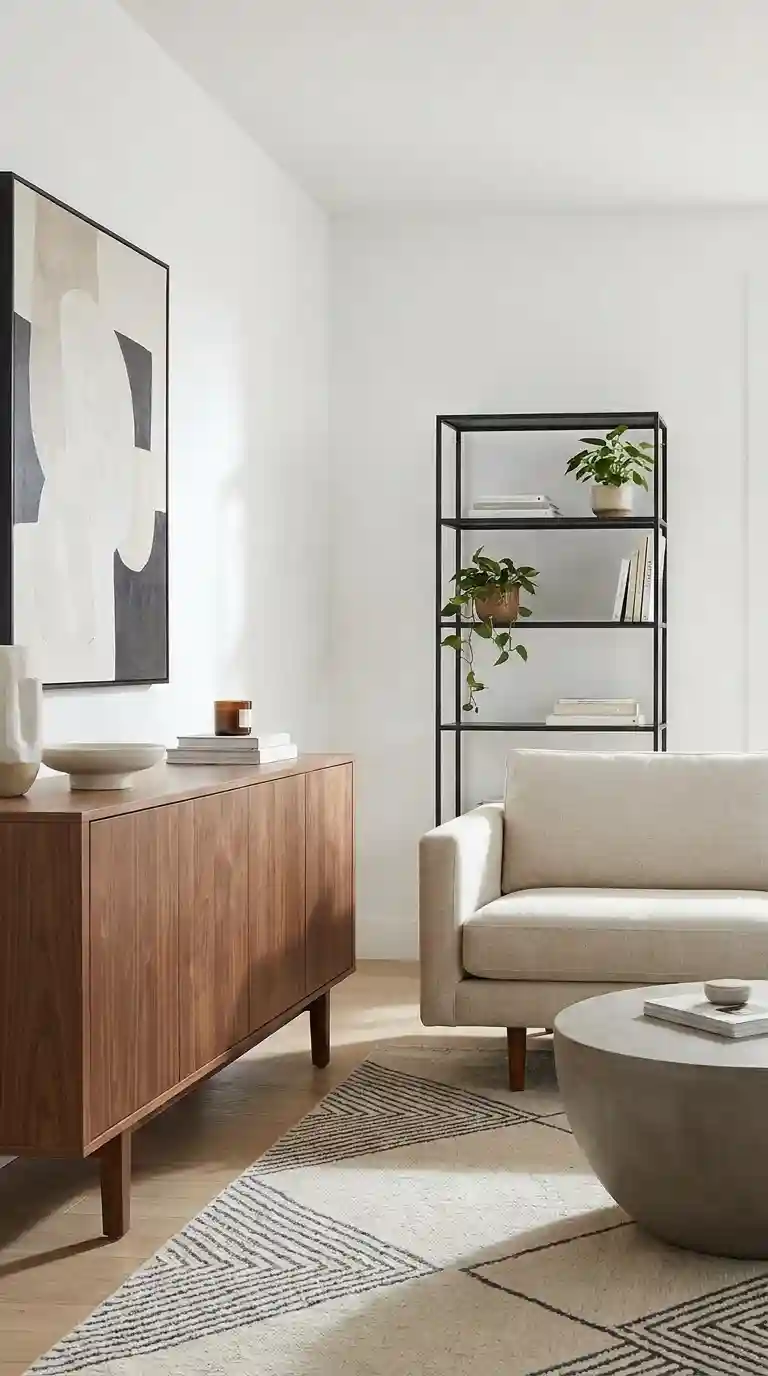
One question I get asked all the time is whether mid century decor can be mixed with other styles, and the honest answer is absolutely yes. In fact, some of the most interesting homes I have seen blend mid century decor with other aesthetics rather than sticking rigidly to one single style.
Mid century decor pairs beautifully with modern minimalism, since both styles value clean lines and a lack of clutter. Combining a walnut credenza with simple black metal shelving and a neutral sofa creates a space that feels current while still honoring that classic mid century decor foundation.
Bohemian style also blends surprisingly well with mid century decor. The warm wood tones and earthy colors of both styles complement each other, and adding woven textures, macrame, and more plants can soften the cleaner lines of mid century furniture.
Even industrial style, with its metal accents and exposed materials, can work alongside mid century decor if you are thoughtful about the balance. A metal framed coffee table paired with a classic mid century sofa, for example, can feel intentional rather than mismatched.
The key when mixing styles is to let one aesthetic lead while the other supports it. If mid century decor is your main style, let it dominate the big furniture pieces, and use the secondary style in smaller accents, lighting, or textiles.
Budget Friendly Mid Century Decor Tips
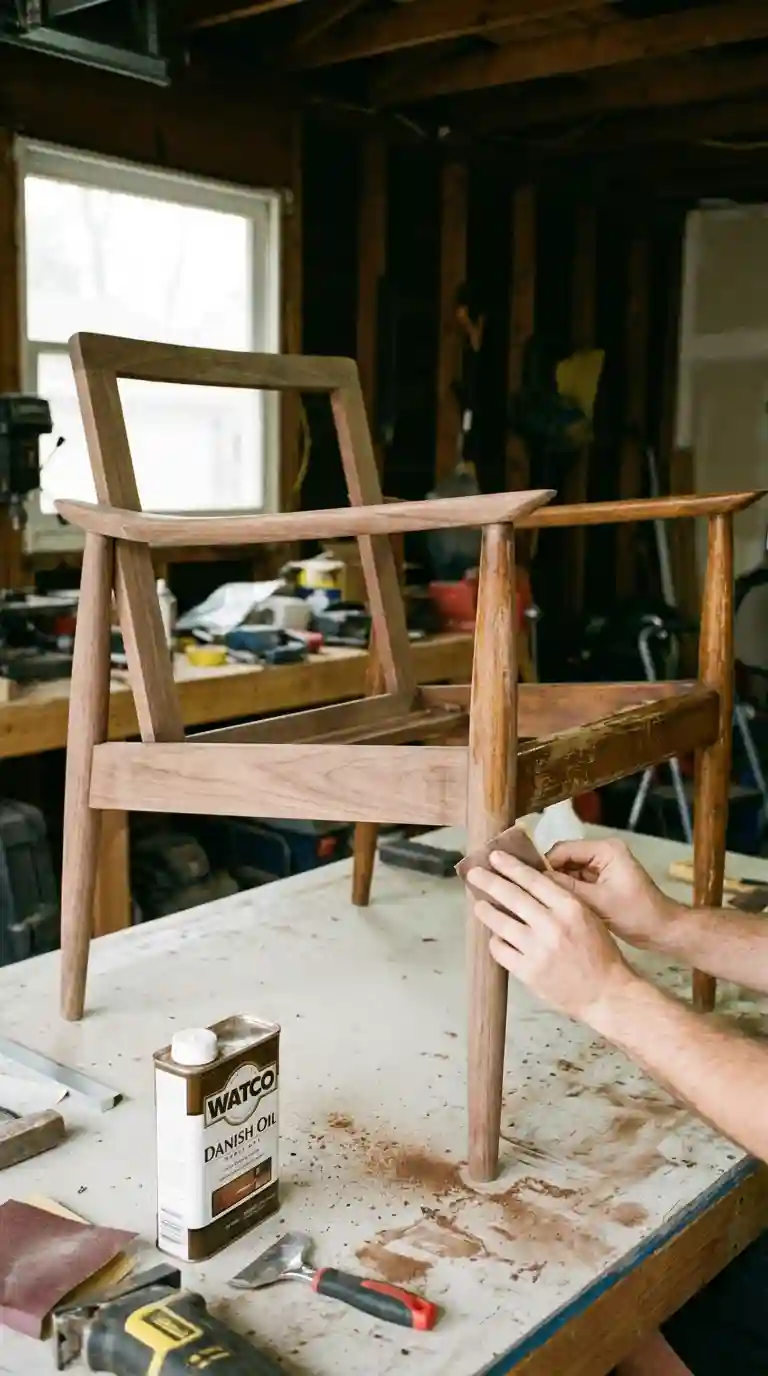
I want to be honest with you here. Authentic vintage mid century decor pieces, especially from well known designers, can get expensive fast. But that does not mean this style is out of reach if you are working with a tighter budget.
Thrift stores, estate sales, and online marketplaces are absolute goldmines for mid century decor finds. A lot of people do not recognize the value of older furniture, which means you can often find genuine vintage pieces for a fraction of what they would cost from a specialty dealer.
Learning some basic furniture restoration skills can save you even more money. A worn out chair with beautiful bones but a stained cushion can be reupholstered for far less than buying new. A dresser with dull, scratched wood can be sanded and refinished with a simple oil or wax treatment, bringing the original grain back to life.
If thrifting is not your thing, plenty of affordable furniture brands now produce mid century decor inspired pieces at accessible price points. While these are not original vintage items, they can still capture the look beautifully, especially if you focus your budget on a few key statement pieces and fill in the rest with more affordable accessories.
Another tip I always share is to start small. You do not need to redecorate your entire home at once. Adding a single mid century decor accent chair, a new lamp, or a piece of wall art can shift the feeling of a room significantly, and you can build from there over time.
Where to Shop for Mid Century Decor Pieces
When it comes to actually finding mid century decor for your home, you have more options today than ever before. Vintage and antique stores remain a classic source, especially if you live near a larger city with a strong secondhand furniture scene.
Online marketplaces have completely changed the game for finding mid century decor. Local buy and sell groups, auction sites, and specialty vintage sellers online let you search specifically for the style, wood type, or era you are after, often with detailed photos and measurements.
For those who prefer buying new, several furniture retailers now specialize in mid century decor inspired designs, ranging from budget friendly options to high end reproductions of iconic designer pieces. These retailers can be a great choice if you want the look without hunting for vintage finds or dealing with restoration work.
Estate sales deserve a special mention here too. Because mid century decor was so common in homes built during that era, estate sales from older homeowners often turn up incredible pieces, sometimes for surprisingly low prices, especially if the buyers at the sale are not specifically searching for this style.
DIY Mid Century Decor Projects You Can Try
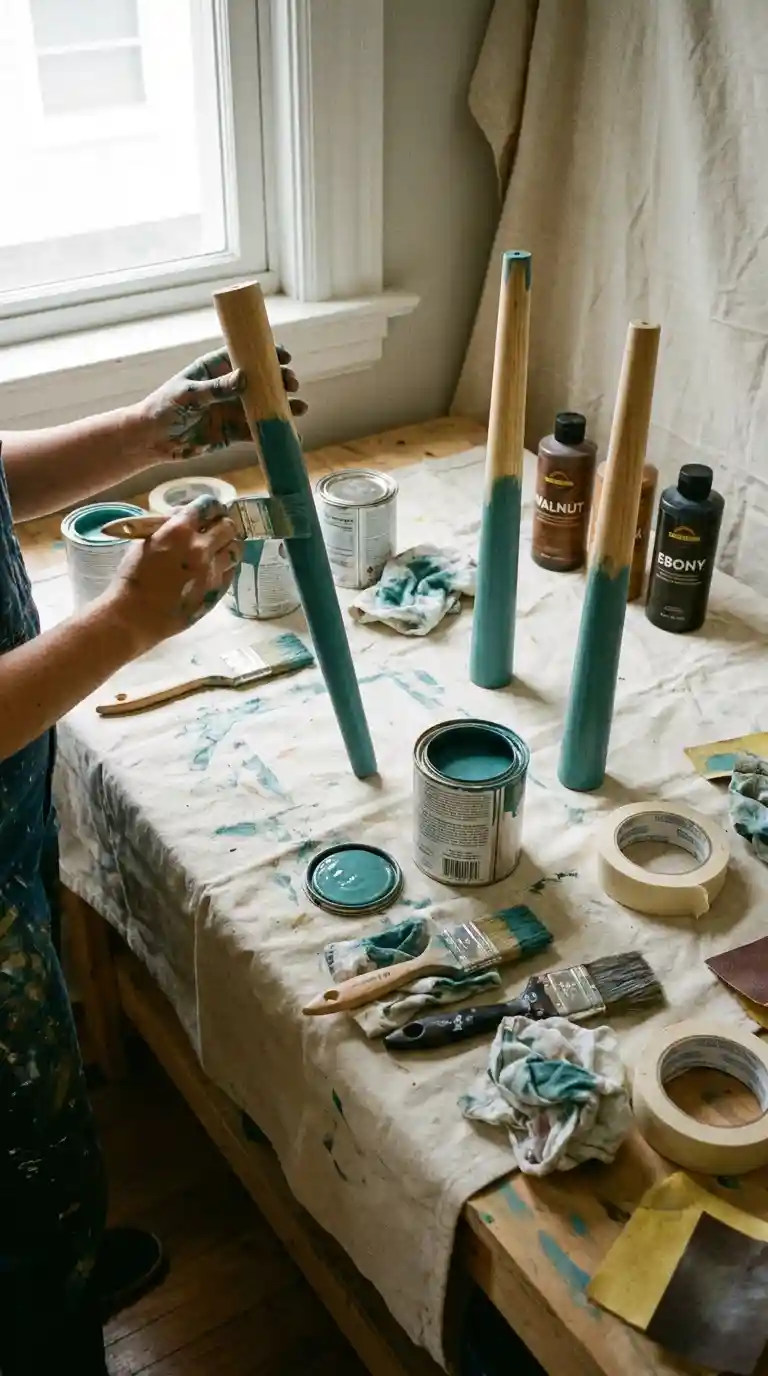
If you enjoy hands on projects, there are some wonderful ways to bring mid century decor into your home through DIY work. This is one of my favorite parts of decorating, honestly, because it lets you personalize the style rather than just buying it off a shelf.
Tapered legs are one of the easiest and most impactful DIY additions. You can purchase simple tapered furniture legs online and attach them to an existing sofa, chair, or cabinet to instantly give it that classic mid century decor silhouette.
Refinishing old furniture is another great project. Stripping away old paint or a dated finish to reveal natural wood grain, then applying a fresh oil or wax finish, can transform a dated piece into something that looks like it belongs in a mid century decor showroom.
For something smaller, try making your own geometric wall art using simple wood shapes and paint in warm, earthy tones. Even a beginner can create a striking piece that captures the spirit of mid century decor without needing advanced woodworking skills.
Reupholstering a chair is a bit more advanced, but there are countless tutorials available online if you want to try it. Choosing a bold, textured fabric in a classic mid century decor color can breathe new life into an old, worn out piece of furniture.
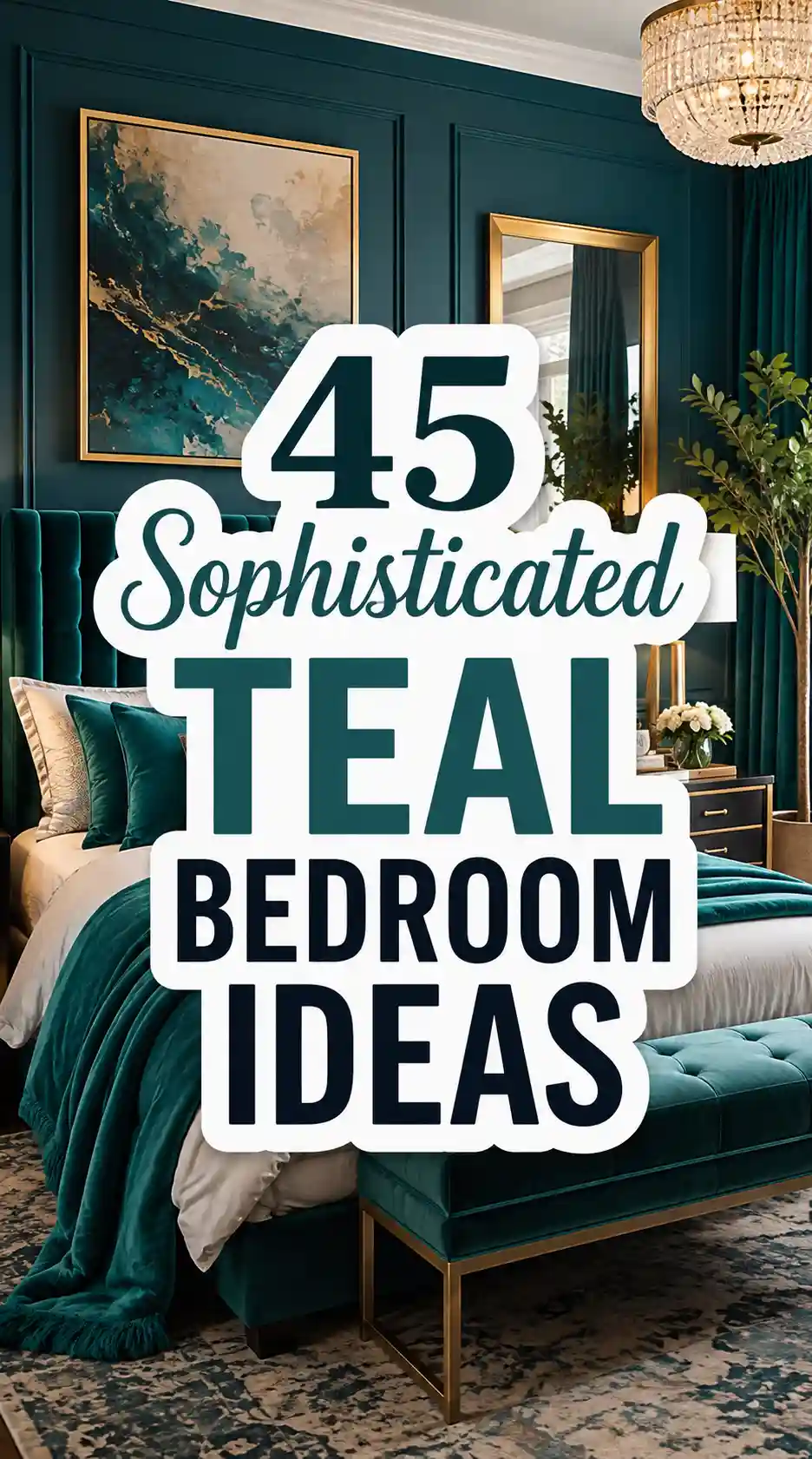
Also Read : 45 Sophisticated Teal Bedroom Ideas For Adults That Turn Any Room Into A Serene Retreat
Common Mistakes People Make With Mid Century Decor
I have seen a lot of well intentioned attempts at mid century decor go slightly wrong, and honestly, most of the mistakes come down to a few common issues that are pretty easy to avoid once you know what to look for.
One big mistake is going overboard with the bold colors. Mid century decor uses color intentionally, as accents rather than as the dominant feature of every surface in the room. If every wall, every piece of furniture, and every accessory is a bold shade, the room can start to feel more like a costume than a genuine style.
Another common issue is mixing too many wood tones without any consistency. If your coffee table is a warm walnut, your bookshelf is a cool gray toned wood, and your dining table is a completely different honey oak, the room can feel disjointed rather than cohesive. Try to keep your wood tones within the same general family throughout a space.
Overcrowding is another trap. Mid century decor values negative space and breathing room. Filling every corner with furniture and accessories actually works against the style rather than enhancing it. Sometimes the most authentic thing you can do is leave a wall or corner simple and uncluttered.
Finally, some people focus so much on furniture shapes that they forget about scale and proportion. A tiny mid century decor accent chair in a massive room can look lost, just as an oversized piece can overwhelm a small space. Always measure your room and consider proportions before making a purchase.
Mid Century Decor for Outdoor Spaces
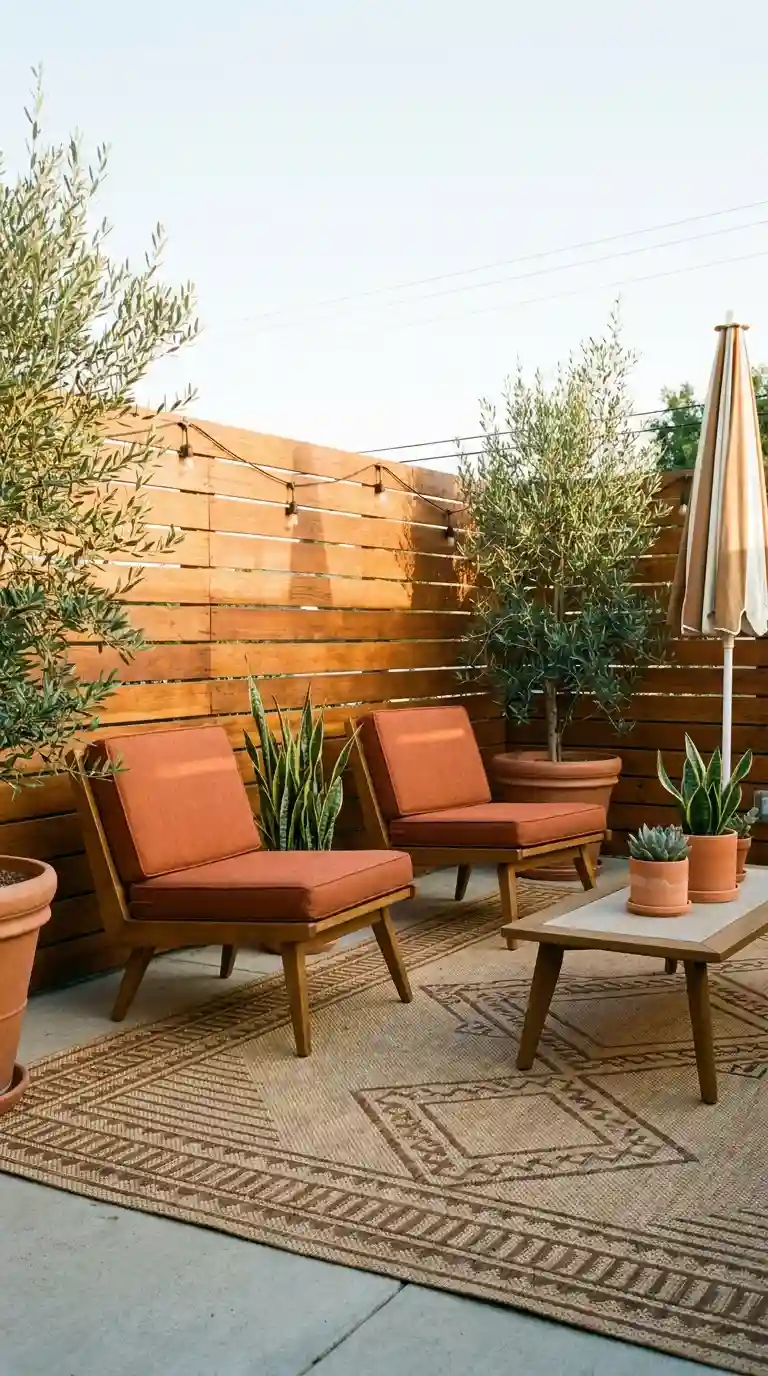
Mid century decor is not just for interiors. A lot of the same principles translate beautifully to outdoor spaces like patios, balconies, and decks. The original era actually put a lot of emphasis on connecting indoor and outdoor living, which fits perfectly with modern trends toward outdoor lounging areas.
Look for outdoor furniture with the same tapered legs and low profile silhouettes you would find indoors. Teak is an especially popular choice for outdoor mid century decor furniture, since it holds up well against weather while still keeping that warm, natural wood look.
Woven outdoor rugs in geometric patterns can bring the same textile energy from your indoor spaces outside. Simple planters, whether ceramic or woven, filled with lush greenery, complete the look and echo the indoor plant styling that is so common in mid century decor.
Even small balconies can borrow from this aesthetic. A single mid century decor inspired chair, a small side table, and a couple of potted plants can turn even a tiny outdoor space into a peaceful little retreat.
Read Also : 45 Gorgeous Guest Bathroom Ideas That Will Instantly Wow Every Visitor
How to Start Your Mid Century Decor Journey Today
If all of this feels a little overwhelming, I completely understand. The good news is that you do not need to overhaul your entire home overnight to enjoy mid century decor. In fact, I would actually recommend against doing everything at once.
Start by choosing one room, probably the space you spend the most time in, and pick a single anchor piece. This could be a sofa, a credenza, or even just a statement lamp. Build the rest of the room around that piece, focusing on wood tone consistency and a balanced color palette.
From there, add in textiles, a rug, some throw pillows, maybe a new curtain panel, that reflect the classic mid century decor color story. Then move on to wall art and smaller accessories once the big pieces are in place.
Give yourself permission to take your time with this. Some of the best mid century decor collections I have seen were built slowly, over years, through thrifting, gift shopping, and the occasional splurge on a special piece. That slow building process actually tends to create a more personal, meaningful space than trying to buy everything at once from a single catalog.
Final Thoughts on Mid Century Decor
After spending so much time researching, decorating, and honestly just falling in love with this style, I can say with confidence that mid century decor earns its popularity. It is not just a passing trend chasing nostalgia. It is a design philosophy built on function, warmth, and quiet confidence, and those qualities never really go out of style.
Whether you are working with a huge budget or hunting through thrift stores on weekends, there is a version of mid century decor that fits your life and your home. Start small, stay consistent with your materials and colors, and trust your own eye along the way. Your home does not need to look like a museum exhibit. It just needs to feel like you, filtered through a style that has quietly proven itself for more than seventy years.
I hope this guide gave you a solid foundation to start building your own mid century decor space, one thoughtful piece at a time.
Frequently Asked Questions
What exactly is mid century decor?
Mid century decor refers to a design style inspired by furniture and interiors from roughly the late 1940s through the early 1970s, characterized by clean lines, tapered wooden legs, organic shapes, and a mix of warm neutral tones with bold accent colors.
Is mid century decor the same as mid century modern?
They are closely related, but mid century modern usually refers specifically to the architectural and furniture design movement from that era, while mid century decor is a broader term for decorating a space using elements inspired by that style.
What colors are best for mid century decor?
Classic mid century decor colors include mustard yellow, burnt orange, avocado green, teal, and rust, usually paired with warm neutral bases like beige, cream, and various wood tones.
What wood is used most in mid century decor?
Walnut and teak are the two most iconic woods used in mid century decor, both known for their warm tones and visible natural grain.
Can mid century decor work in a small apartment?
Yes, mid century decor is especially well suited to small spaces because the furniture tends to have slim profiles and raised legs, which helps rooms feel more open and less cluttered.
Where can I find affordable mid century decor furniture?
Thrift stores, estate sales, online marketplaces, and budget friendly furniture retailers that specialize in mid century decor inspired pieces are all great sources for affordable options.
How do I mix mid century decor with modern furniture?
Focus on shared qualities like clean lines and minimal ornamentation, then let one style lead while the other supports it through smaller accents, lighting, or textiles.
What kind of lighting fits mid century decor?
Sculptural lighting with wood, brass, or metal accents works best, including tripod floor lamps, globe pendants, arc lamps, and simple drum shade table lamps.
Is mid century decor expensive?
It can be, especially for original vintage designer pieces, but there are plenty of budget friendly ways to achieve the look through thrifting, DIY refinishing, and affordable furniture brands.
What fabrics are common in mid century decor?
Wool, tweed, bouclé, and velvet are commonly used, often in geometric or abstract patterns inspired by nature and stylized into cleaner shap


2 Comments on “Mid Century Decor: The Ultimate Guide to a Style That Refuses to Go Out of Fashion”